Kitchen and bathroom shower stall and bathtub bottom waterproof layers.
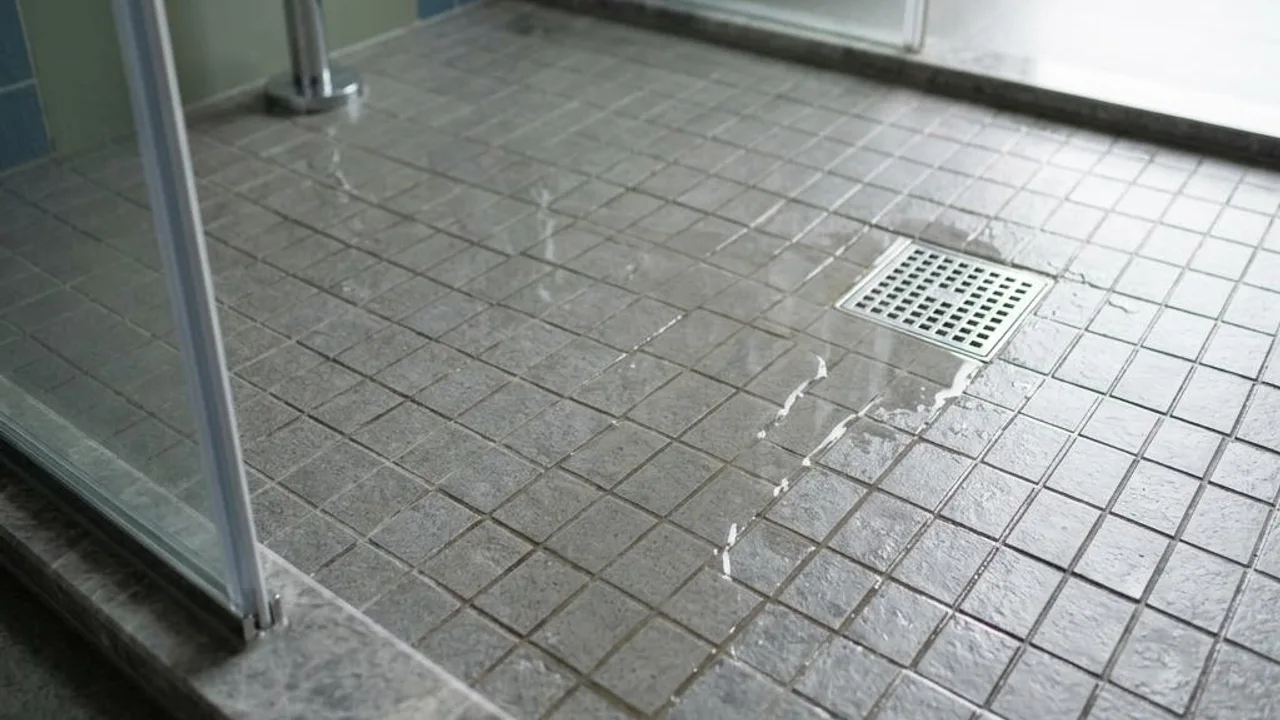
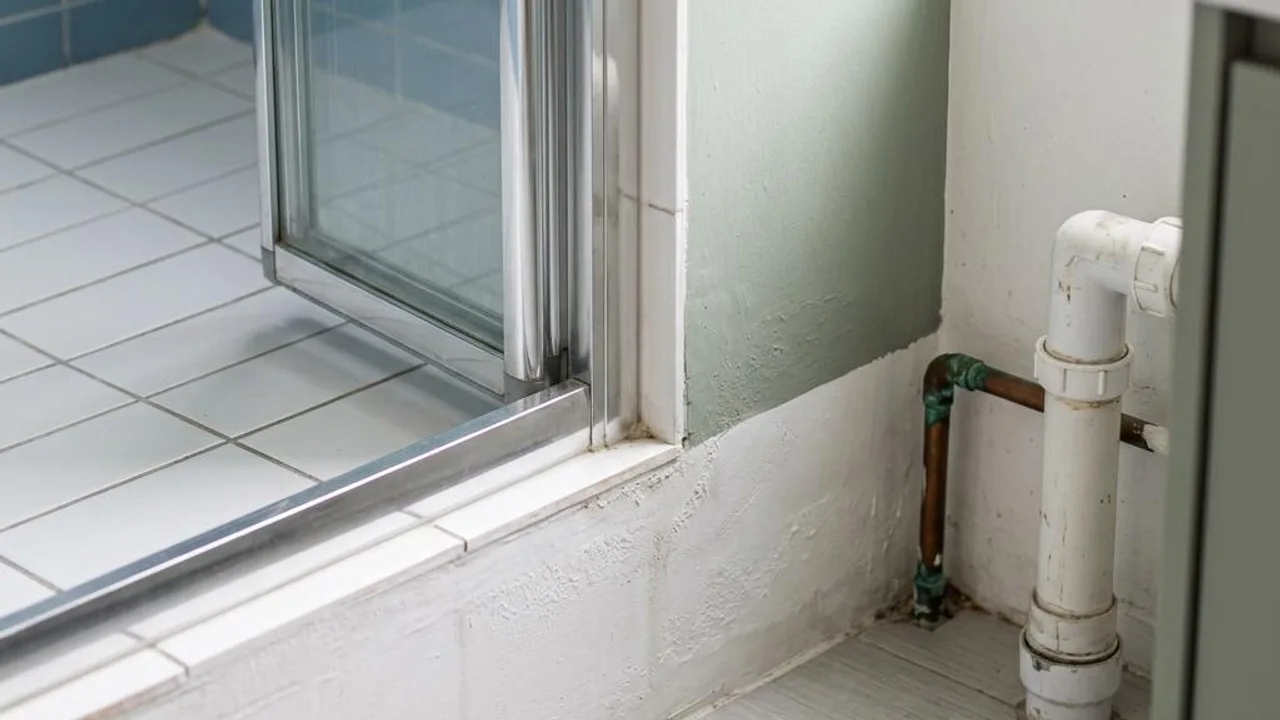
Kitchens and bathrooms are the areas in a home where water is used most frequently; if the waterproof layer fails, it will cause long-term trouble. During a handover inspection, be sure to check the silicone sealant around shower areas or bathtubs, observing for hardening, mildew, or cracks to ensure a good seal.
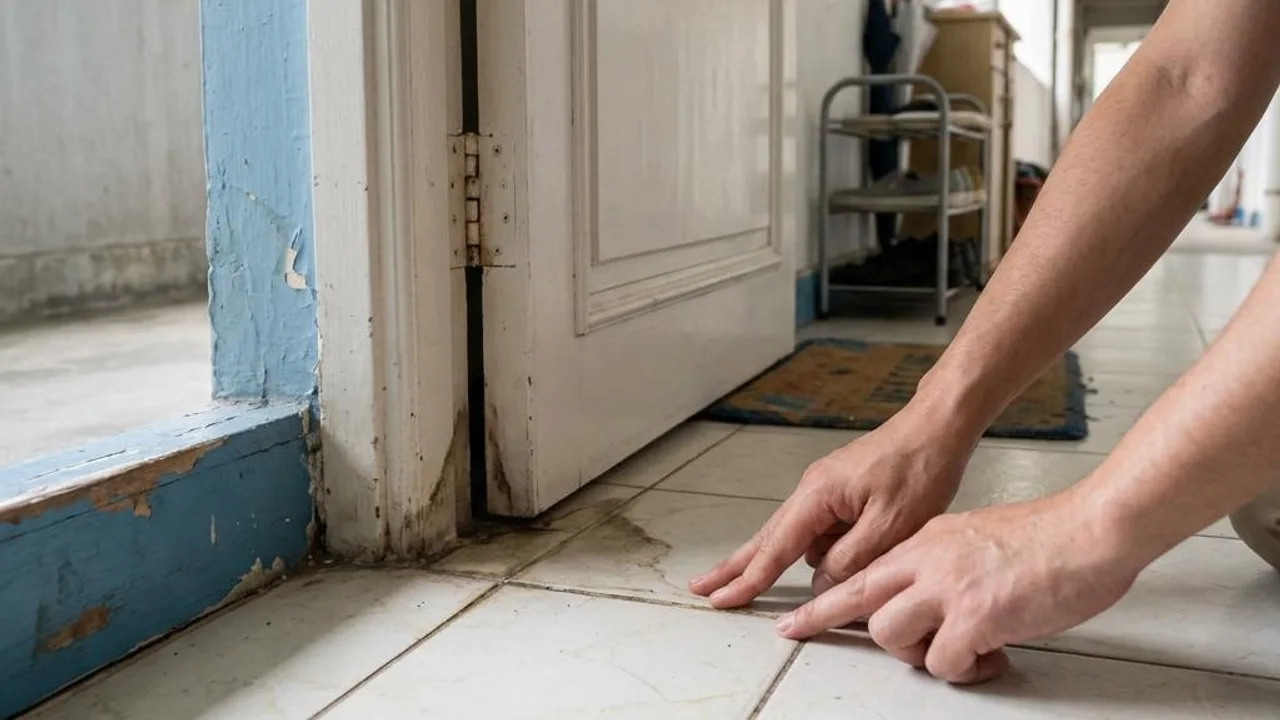
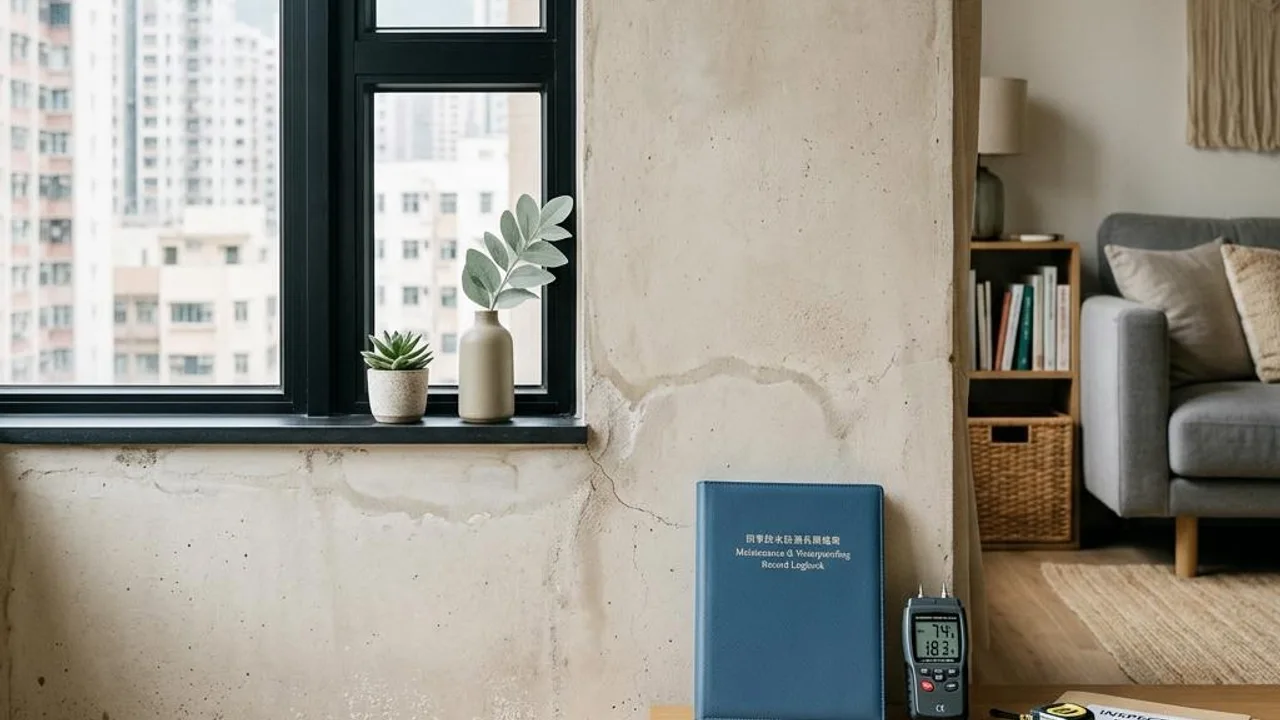
If the waterproof layer fails, moisture may penetrate into the floor plaster, leading to peeling paint or mildew at the base of the walls. It is recommended that owners observe the adjacent living room baseboards or external walls, keeping an eye out for any discolouration or damp marks to assess whether the waterproofing system needs re-application.
- Check the sealing integrity of the silicone around the bathtub or shower stall edge.
- Observe the base of walls for peeling paint or mildew spots.
- Check that the floor drainage flow is smooth.
- Watch for signs of seepage after the waterproof layer has aged.
Micro-cracks in the joints between window frames and external walls.
External windows are subject to long-term weathering; the waterproof sealant between the window frame and the wall is prone to aging and micro-cracking. Even if seepage is hard to detect when taking over on a sunny day, the surrounding window sill should be carefully checked for signs of pulverisation or chipped paint.
Use a high-intensity torch to illuminate the window frame joints. If you find discoloured paint or separation in the cement layer, you should remain vigilant. These micro-cracks may be early warning signs of external building wall waterproofing failure, prompting owners to assess seepage performance.
- Check if the aluminium window frame sealant has hardened.
- Note whether there are signs of pulverisation on the window sill wall.
- Check for obvious cracks at joints.
- Observe the level of tightness at the connection between the wall and the window frame.
Public drainage pipes and exposed pipes on the ceiling.
For units on low to medium floors, concealed pipes in the kitchen and bathroom ceiling are a common blind spot for leakage. If the unit has a false ceiling, it should be opened to observe the pipe connections, noting whether there is any crystal accumulation or abnormal water stains.
Auditory inspection is equally important; if there is an unusual noise or dripping sound when the upstairs neighbours flush, it may indicate that the pipes have aged. Identifying these concealed risks early can avoid the tedious work of dismantling false ceilings or repairing public pipes in the future.
- Check the connections of exposed channels or drainage pipes.
- Check for seepage crystals inside the false ceiling.
- Listen for abnormal noises when drainage occurs upstairs.
- Confirm whether there is oxidation or corrosion on the outer layer of the pipes.
Joints between the balcony/garden and the external wall.
As an extension of the building, the waterproofing design of a balcony or utility platform is crucial. Owners should inspect the joints between the balcony floor tiles and the wall base to confirm if there are any hollow sounds or cracks, preventing rainwater from penetrating into the interior structure.
Pay special attention to the floor level difference between the balcony and the interior, as well as the gradient for water drainage; if the design is substandard, it is very easy for water to backflow during heavy rain. Checking the integrity of the waterproofing layer is a necessary line of defence to prevent mould growth on interior walls.
- Check the sealing condition of the joints at the base of the balcony walls.
- Check if the floor tiles are hollow or bulging.
- Observe the design of the floor gradient for water drainage.
- Check for signs of wear on the waterproof coating.
Altered partition areas and the interface between old and new lines.
In second-hand properties, alterations by the previous owner are common, particularly the removal of walls or the relocation of kitchens and bathrooms. These areas should be cross-referenced with the property floor plans to check for structural cracks at the junctions of old and new walls, or tension cracks caused by thermal expansion and contraction.
If modifications to the electrical system are involved, be sure to pay attention to the connection points to ensure they have not been handled improperly. Due to different water absorption rates at the joints of different materials, minor hidden hazards can easily arise; priority should be given to confirming whether there are any defects that were patched up after renovation.
- Cross-reference the original property floor plans to verify wall modifications.
- Check for tension cracks at the wall joints.
- Note any unevenness at the interface between old and new finishes.
- Check the wiring condition at points where electrical circuits have been altered.
Professional property inspection and testing services.
While conducting a personal inspection is helpful, hidden leaks and potential structural issues often require professional equipment for detection. OPO Inspection teams possess extensive experience and can provide an objective inspection report, assisting property owners in clarifying the situation before renovation.
Owners can consult certified inspectors and request the use of infrared thermal imaging cameras or moisture meters on suspected areas of water leakage. These devices help identify potential paths of moisture diffusion without the need to disturb the structure.
- Professional experience compensates for the blind spots of visual inspections.
- Use instruments to assess the risk of hidden water leaks.
- Assist in drafting the priority sequence for repairs and rectification.
- Provide an impartial and objective property inspection report.
FAQs
If small amounts of crystals are found inside a false ceiling, does this mean the pipes are severely damaged?
Crystals inside a false ceiling are typically mineral deposits left behind by long-term water seepage. While this does not necessarily mean the pipes have ruptured immediately, it indicates chronic leakage at connections or the outer wall of the pipe. It is recommended to invite a professional to check the integrity of the pipes.
If a property owner discovers peeling paint on a wall, what steps should they take to further inspect it?
Owners should first document the affected area and location, and use a torch to observe whether the wall is damp or has mould. Avoid removing the wall finish yourself to deal with it; contact a professional to use instruments to confirm whether the water ingress originates from water pipes or a failure in the external wall waterproofing.
Are cracks appearing at the junction of old and new walls a sign that the wall must be broken open for inspection?
Minor cracks may be caused by material shrinkage and do not necessarily involve structural issues. Owners should first observe whether the cracks grow with weather changes or check for signs of dampness, and consult a professional to assess whether a localized inspection is necessary.