Causes and structural blind spots of soundproofing issues in Hong Kong residential properties
Hong Kong residential construction is highly dense, and especially in newer units or 'nano' units that prioritize usable floor area, lighter prefabricated components or plasterboard are often used as partition walls. If these types of walls lack sufficient padding or are not thick enough, the probability of sound transmission increases. Common disturbances reported by residents, such as neighbors' conversations, TV noise, or footsteps in the hallway, mostly stem from this type of architectural design.
Beyond walls, the airtightness of windows is also the first line of defense against noise. If single-pane glass or aluminum window frames have mediocre airtight performance, they struggle to effectively block noise from outdoor streets or construction sites. Prospective buyers should understand these structural blind spots in order to make more prudent decisions during the home-buying process.
- Wall material is light and thin, lacking sufficient filling
- Insufficient window airtightness leads to noise infiltration
- Excessive tolerances in the main door gap transmit corridor noise
- Absence of structural soundproofing treatment
Key points for on-site observation of wall and window structures
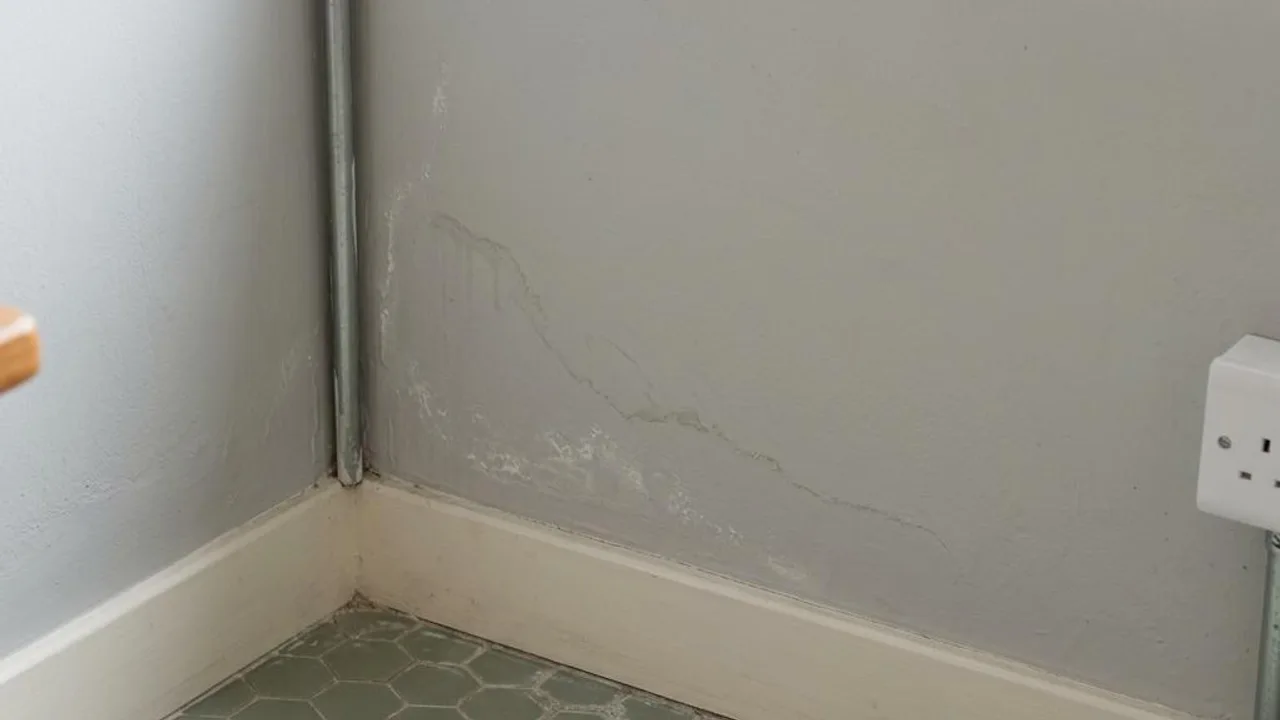
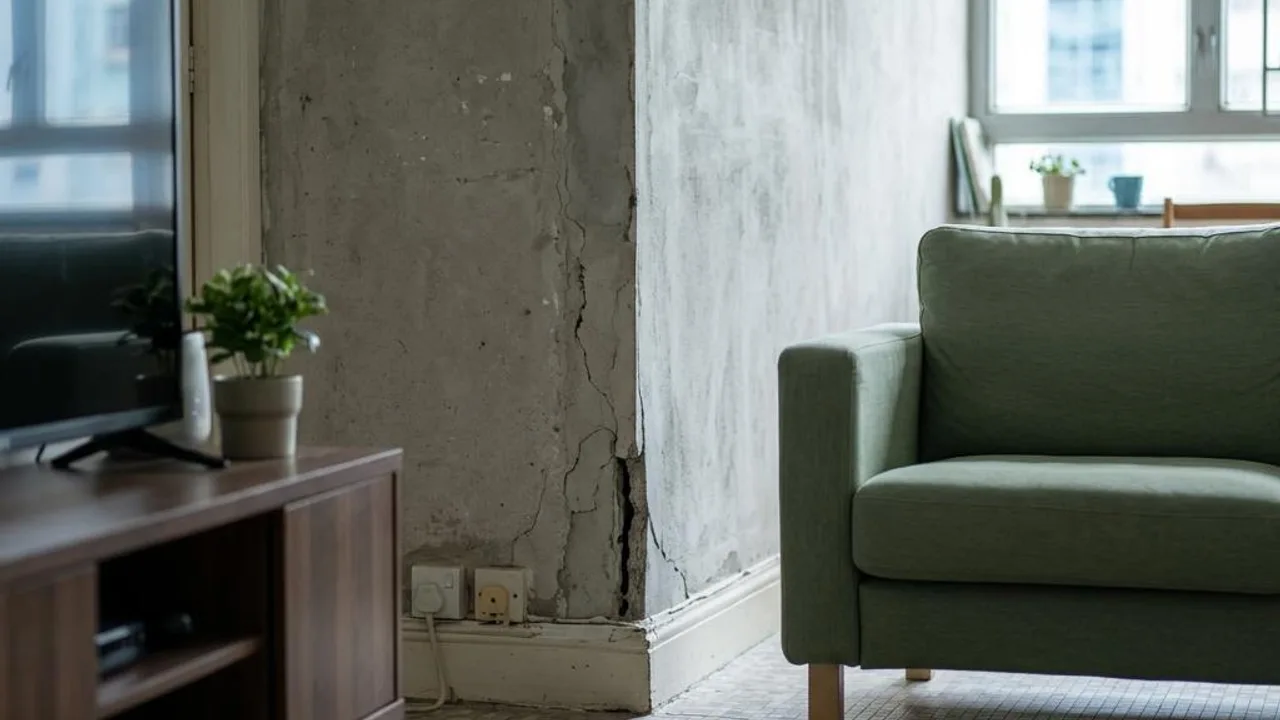
When viewing properties, buyers should not rely solely on the descriptions of others but should observe the actual condition of the unit themselves. For example, if the walls show signs of hollow voids (hollowness), it will not only affect the durability of the finish but is also often accompanied by a decline in soundproofing performance. Furthermore, the mechanical performance of windows should not be ignored; observe whether aluminum windows open and close smoothly and whether the latches can be fully tightened—these details directly affect their sealing effectiveness.
Layout design also directly affects privacy. Overlooking corridors or having windows spaced too closely together may raise privacy concerns. For secondary market properties, observing the buffer space between the main door and the public corridor is quite important. Carefully observing the relative layout of the unit and its surrounding environment can assist prospective buyers in assessing whether the dwelling meets their needs for tranquility.
- Check if there are hollow void problems on the walls
- Test aluminum window latches and the level of airtightness
- Pay attention to whether the unit layout has issues with overlooking
- Assess the sound buffer space between the door frame and the hallway
Differences between professional property inspection assessments and personal checks
When viewing properties, prospective buyers often have to rely only on their personal senses for simple tests, such as knocking on walls. These practices only yield a preliminary impression and are difficult to quantify with actual soundproofing data. The density of materials inside walls, hidden structural defects, or subtle tolerances in door and window airtightness that are hard for the naked eye to judge all require professional property inspection services for deep analysis.
Professional property inspection not only provides objective data references but also helps buyers identify potential structural risks, converting future repair concerns into a basis for pre-purchase evaluation, thereby avoiding the risk of discovering structural soundproofing defects after the purchase.
- Use professional instruments to test wall material density
- Systematic analysis of door and window tolerances and airtightness
- Comprehensive analysis of soundproofing loopholes in unit circulation patterns
- Quantified assessment of structural acoustic performance
Principles for safe DIY improvements and engineering interventions
If minor soundproofing flaws are discovered after moving in, residents can consider low-risk improvement schemes. For example, installing door bottom seals to block corridor noise, or using thick carpeting and heavy blackout curtains to absorb indoor reverberation. These simple home adjustments can improve living comfort and auditory tranquility without altering the original building structure.
However, it is strictly forbidden to remove or alter load-bearing walls or carry out projects that affect fire-resistant structures without authorization. If faced with structural noise issues, owners should not blindly attempt DIY projects but should entrust qualified professional teams to conduct a comprehensive assessment and repair to ensure all improvement works comply with building safety codes.
- Install door bottom seals to improve sound leakage
- Select heavy soundproof blackout curtains
- Lay carpeting to reduce indoor noise reverberation
- Unauthorized removal or alteration of load-bearing walls is prohibited
Necessity of professional consultation before purchasing a property
Buying a property is a major investment. Having a professional team conduct a property inspection before signing the sales contract ensures that the buyer grasps the true quality status of the unit. The professional assessment results are not only a summary of the unit's current state but also serve as an important reference for the owner's subsequent renovation decisions.
This professional analysis can help owners plan repair works or optimize arrangements in advance, avoiding the discovery of structural problems only after renovations are complete, thereby reducing the additional expenses and inconvenience that may be caused by secondary construction.
- Ensure you grasp the actual quality of the unit before purchasing
- Professional advice assists in subsequent renovation decisions
FAQs
What are some simple on-site tips to test the soundproofing effect of a unit while viewing properties?
When viewing a property, it is recommended to close the main door and all room windows and listen quietly to see if you can hear pedestrian footsteps in the corridor or the movements in neighboring units. At the same time, you can also gently knock on the partition wall between the living room and the room and use the sound of the knocking to judge whether the wall is solid. Although this cannot replace professional testing, it can help you get a preliminary understanding of the environmental quietness of the unit.
If I find that the soundproofing is very poor after buying a second-hand apartment, are there any improvement methods that do not require major demolition?
You can make improvements through simple renovation means. For example, replacing with better-performing solid wood doors, installing soundproof seals in door gaps, installing double-layered thick curtains to buffer outdoor noise, or placing large built-in cabinets as sound barriers on walls that are near noisy areas. These methods do not require structural engineering and can effectively improve the quality of life.
Why is it strongly recommended to hire a professional property inspection team before buying a second-hand apartment?
A professional property inspection team can use professional instruments to detect problems invisible to the naked eye, such as hidden wall hollows, door and window airtightness tolerances, and structural defects. Once these problems are discovered only after receiving the unit, it often costs expensive renovation fees to repair them. Therefore, conducting an inspection before signing the contract can effectively help buyers protect their own interests and avoid unnecessary financial and mental loss.