The discrepancy between nominal orientation and actual sunlight
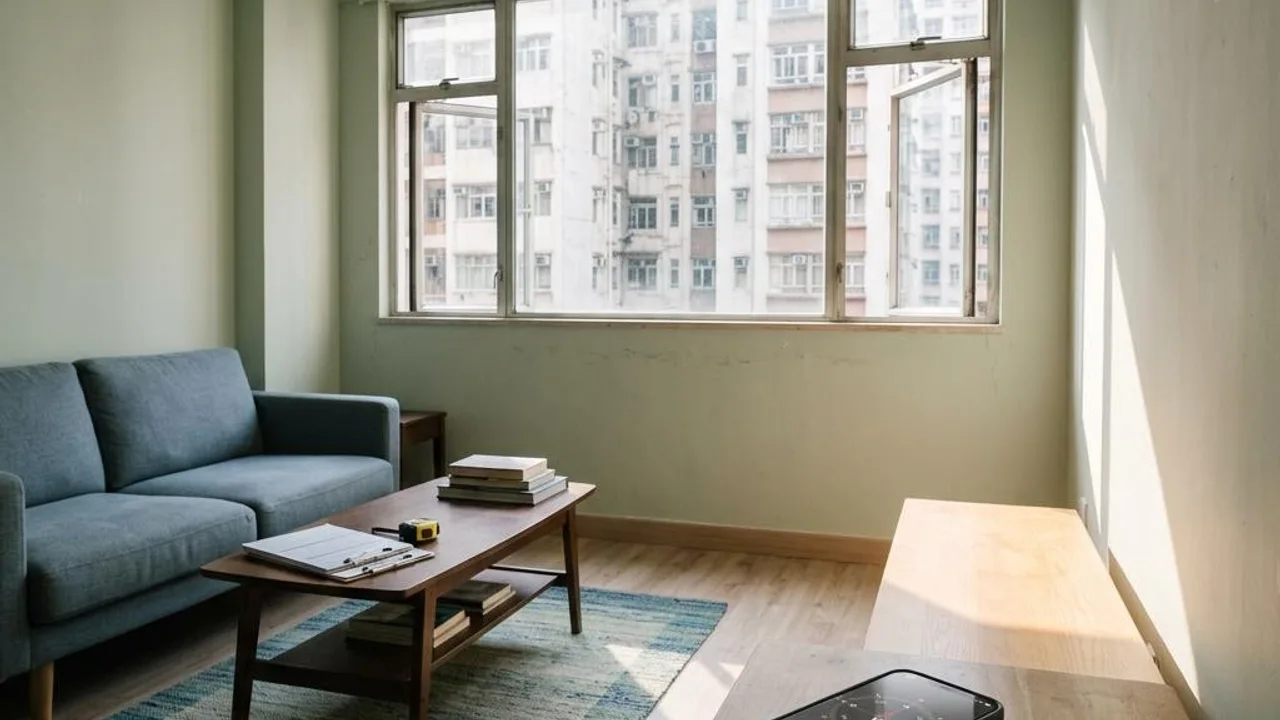
North-facing/South-facing is often regarded as the gold standard in the Hong Kong real estate market, symbolising warmth in winter and coolness in summer. However, prospective buyers should be wary: the orientation mentioned by agents is usually based on building plans and does not take into account the obstruction of surrounding buildings. In a dense high-rise environment, even for a south-facing unit, if there is a giant housing estate in front, actual exposure to sunlight may be far lower than expected.
The deviation between the ideal and reality only becomes apparent after moving in. Many owners discover that the interior lacks light, and some even experience dampness in wall corners. This is not because the orientation definition is wrong, but rather caused by environmental obstruction. Therefore, when assessing orientation, it must be combined with the 3D conditions of the surrounding environment, rather than relying solely on orientation data on the plans.
- Verify the orientation in the building plans against the actual facing of the windows on-site.
- Observe whether the height of surrounding buildings obstructs sunlight from entering.
- Evaluate on-site the angle of direct sunlight into the living room at different times.
- Record potential limitations on ventilation posed by the environment around the windows.
The limitations of mobile phone compasses during property inspections
To verify orientation, many buyers use mobile phone compass apps, but they often encounter errors. Modern high-rise residential structures are complex; wall reinforcements, metal security windows, and large electrical equipment all interfere with the magnetic sensors inside the phone, causing measurement deviations. In a space filled with metal materials, the data measured by the compass may not represent the actual lighting angle of the windows.
Additionally, many estates are not designed regularly, and the orientation may be at an angle. Simply standing in the centre of the living room to open an app for measurement often fails to reflect the true sunlight of each room. To accurately assess a unit's sunlight and lighting, one must comprehensively consider floor height, window angles, and the distance of surrounding buildings. If one relies solely on a mobile app without considering environmental interference, prospective buyers can be easily misled, ignoring ventilation dead spots and lighting defects within the unit.
- Be aware of the interference caused by reinforced concrete structures on electronic compasses.
- Consider the impact of the building's slanted design or diamond-shaped arrangement on lighting.
- Understand that measurement from the centre of the interior alone cannot accurately assess individual window angles.
- App data should not be treated as the sole standard for lighting assessment.
Comparison of orientation characteristics and lighting risks
Different orientation characteristics determine living experience; for example, west-facing units may be extremely hot in the summer afternoon, while 'dark bathroom' designs easily lead to dampness and odours. Understanding these characteristics can help prospective buyers proactively look for potential problems. The ideal orientation must be combined with actual sunlight analysis; for instance, a due-south orientation, if obstructed, may have less effective lighting than an unobstructed east-facing unit.
Common orientation characteristics and gaps with reality will affect future living quality. In a high-humidity place like Hong Kong, excellent lighting and ventilation design are key to keeping the interior dry. Buyers should systematically observe unit configuration, such as confirming whether the kitchen and bathroom have independent external windows, and conduct a thorough assessment before signing the contract.
- Observe whether the unit features a cross-ventilation window design to improve airflow.
- Note whether there is severe afternoon sun (west-facing heat) in the living room or bedrooms.
- Confirm whether the kitchen and bathroom have independent external windows.
- Compare the theoretical orientation with the actual quality of sunlight on-site.
The boundary between safe observation and professional inspection
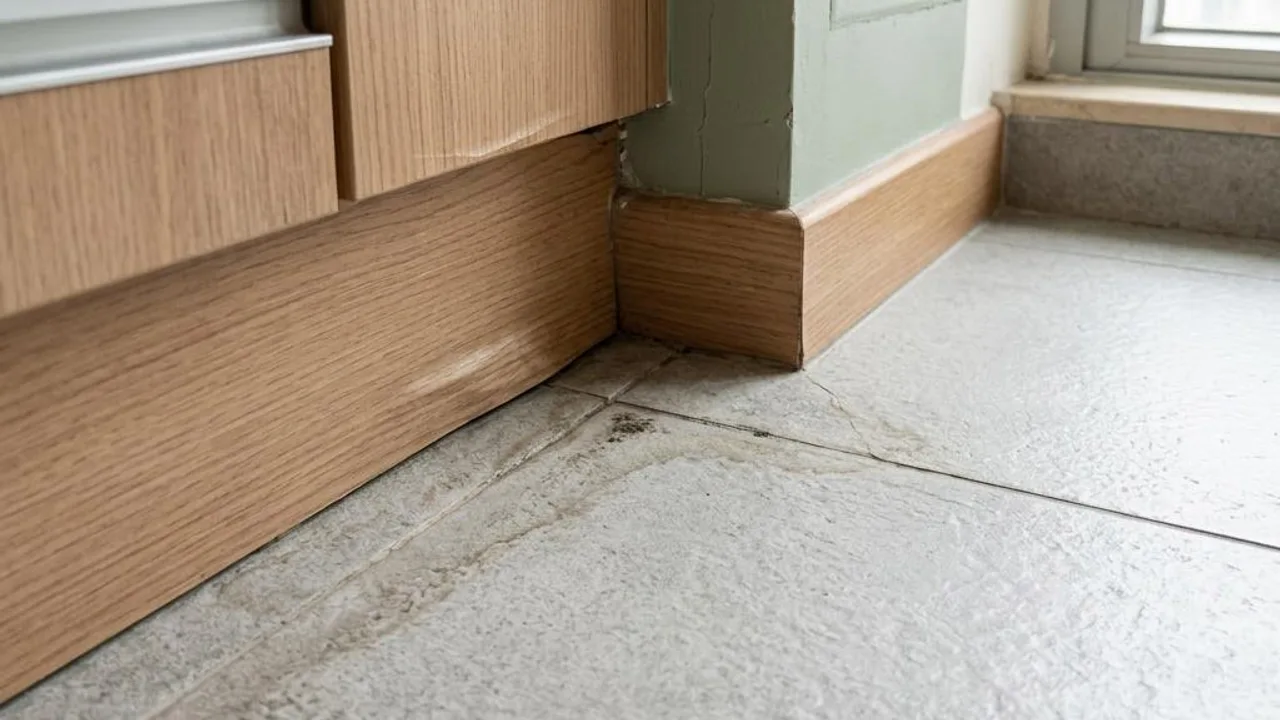
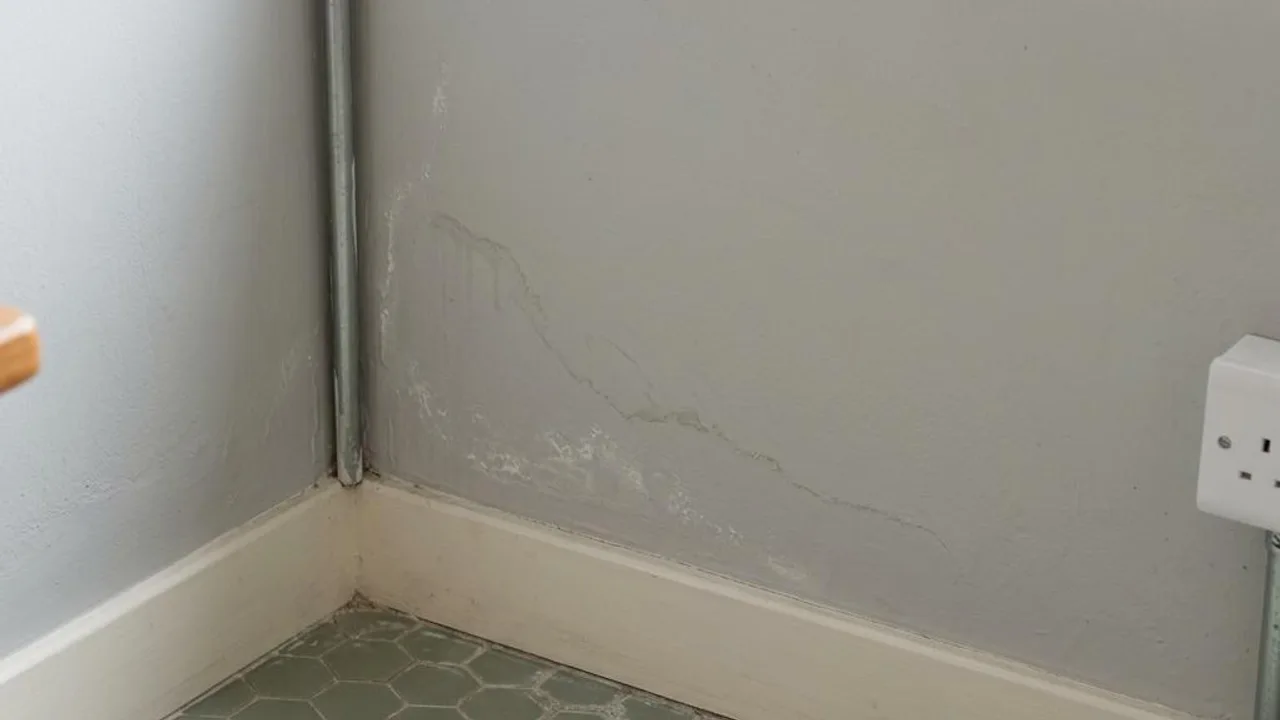
Prospective buyers, when viewing a property, can use a compass to make a preliminary judgement of the direction, or observe whether there are water stains in the wall corners or mould on the walls. These fall within the range of safe DIY observation and can help with a preliminary screening of units. However, remember not to blindly trust mobile phone measurement data or believe verbal guarantees without a professional background. General non-destructive home inspections only record visible conditions and cannot certify structure, electricity, gas safety, regulatory compliance, the condition of concealed pipes, waterproofing thickness, remaining useful life, or maintenance effectiveness.
Thermal imaging only shows surface temperature differences and is not definitive proof of moisture or leak causes, nor is it proof of concealed structures; tools cannot guarantee the revelation of all hidden defects. Matters involving structural safety or seepage assessment must be handled by qualified persons. Regarding statutory window inspections, these must be conducted by qualified persons according to the Buildings Department's regulations and are independent statutory procedures. Owners should not conduct electrical tests, dismantle installations, adjust water pressure valves, or climb onto rooftops or external walls/windows. Please keep objective observation records and consult professionals when necessary.
When there are doubts about lighting and structure, and the property involves a significant financial investment, professional inspection services should be employed. A professional team can use precise instruments (such as moisture meters, structural inspection tools) to conduct a scientific assessment, rather than relying merely on subjective experience. Clearly defining the boundary can effectively reduce property-buying risks and ensure that what you buy is a home with genuine living quality.
- DIY: Observe whether there are signs of long-term dampness on walls and floors.
- DIY: Experience the natural light at different times through on-site visits.
- Professional: Use professional moisture meters to detect hidden leakage risks.
- Professional: Scientifically assess the ventilation convection efficiency of the house.
Practical observations and daily maintenance suggestions
Owners, when viewing a property, should focus on whether there are signs of long-term dampness or mould in wall corners. Even if the unit has an ideal orientation on paper, if indoor ventilation is poor, moisture will still cause walls to peel. Timely checks of the sealing condition around the window sill can prevent rainwater ingress.
It is recommended that owners regularly clean window tracks and window drainage holes to ensure rainwater can drain effectively. Avoid stacking too many sundries in the home environment to maintain air circulation. Good ventilation is a key step in keeping the unit dry and protecting the indoor wall structure.
- Check if there are cracks in the window sill edges or if the rubber seals are ageing.
- Note if there is localised discolouration on walls caused by dampness.
- Clean dust and debris accumulated in the window grooves.
Professional assessment and scientific follow-up
When there are concerns about the unit's sunlight conditions or water seepage status, it is recommended to consult a professional property inspection team. Professionals can accurately measure indoor moisture content using instruments to identify hidden leakage risks that are difficult to detect with the naked eye, providing a scientific basis for home-buying decisions.
Professional inspection does not include dismantling wall structures. The team will provide an objective inspection report and propose concrete improvement suggestions regarding ventilation and lighting issues. Before proceeding with property repairs, owners should ensure they consult legitimate and experienced professionals to guarantee safety.
- Use a moisture meter to check the dryness/dampness inside the wall structure.
- Troubleshoot whether the structural sealing performance of window frames is qualified.
- Conduct professional assessments targeting dead spots with poor ventilation.
FAQs
Why does the orientation measured by a mobile compass differ from the building plans?
Mobile phone compasses are susceptible to interference from reinforced concrete structures within the unit, metal security windows, or electrical equipment, causing measurement errors in the magnetic sensor; therefore, they cannot be used as the sole basis for assessing unit orientation.
Apart from a mobile compass, what other observations can buyers make when viewing properties?
Buyers can observe whether there are water stains in wall corners or window sills, if there are mould or peeling marks on walls, and pay attention to indoor ventilation conditions and whether surrounding buildings obstruct sunlight, in order to judge the unit's true lighting and ventilation quality.
If you suspect the unit has a water seepage risk, what action should be taken?
If signs of dampness are found on walls or there are doubts about the structure, one should seek an experienced professional team for testing, use a professional moisture meter to measure indoor moisture content, and evaluate whether further action is needed based on a scientific report.