Deconstructing market analysis provided by estate agents
Many owners, after listing their unit, face long periods without interest and often attribute this to a 'quiet market' as described by agents. However, in Hong Kong's fiercely competitive property market, if similar units in the same development are selling while yours is not, it suggests the problem may lie in your pricing strategy, commission incentives, or the priority your property is given by the agent. If an agent only uses the market situation as an explanation without actively collecting buyer feedback, it often suggests your property has been marginalised in terms of market competitiveness.
An agent's daily rhetoric can sometimes be merely a soothing tactic intended to shift focus and prevent the owner from feeling too much pressure. As an owner, you must remain rational and proactively request specific client feedback from the agent rather than waiting blindly. If an agent brings many prospective buyers for viewings but there are never any offers, it indicates the unit has obvious price or environmental flaws, necessitating a re-examination of the market positioning and active research into the actual popularity of similar units on the market.
- Proactively solicit honest opinions from buyers about the unit and analyse the key concerns of potential buyers.
- Compare recent actual transaction prices per square foot in the same development to confirm if the property pricing aligns with market psychological expectations.
- Clarify the recommendation order your property holds with agents to ensure it receives sufficient exposure and promotional effort.
Identifying hidden environmental issues that cause potential buyers to walk away
A potential buyer's intuitive impression determines whether they will have any intention to make a subsequent offer. If a buyer behaves hurriedly upon entering the unit, or even refuses to observe it in depth, it is often because there are unsettling factors in the immediate environment. Insufficient lighting, stale odours from long-term closure, external noise, wall stains, or excessive clutter all make the space feel cramped and unattractive. Buyers place great importance on sensory experience when purchasing a home; if a unit gives the impression of 'poor atmosphere' or 'high future defect rectification costs', the chances of a transaction are greatly reduced.
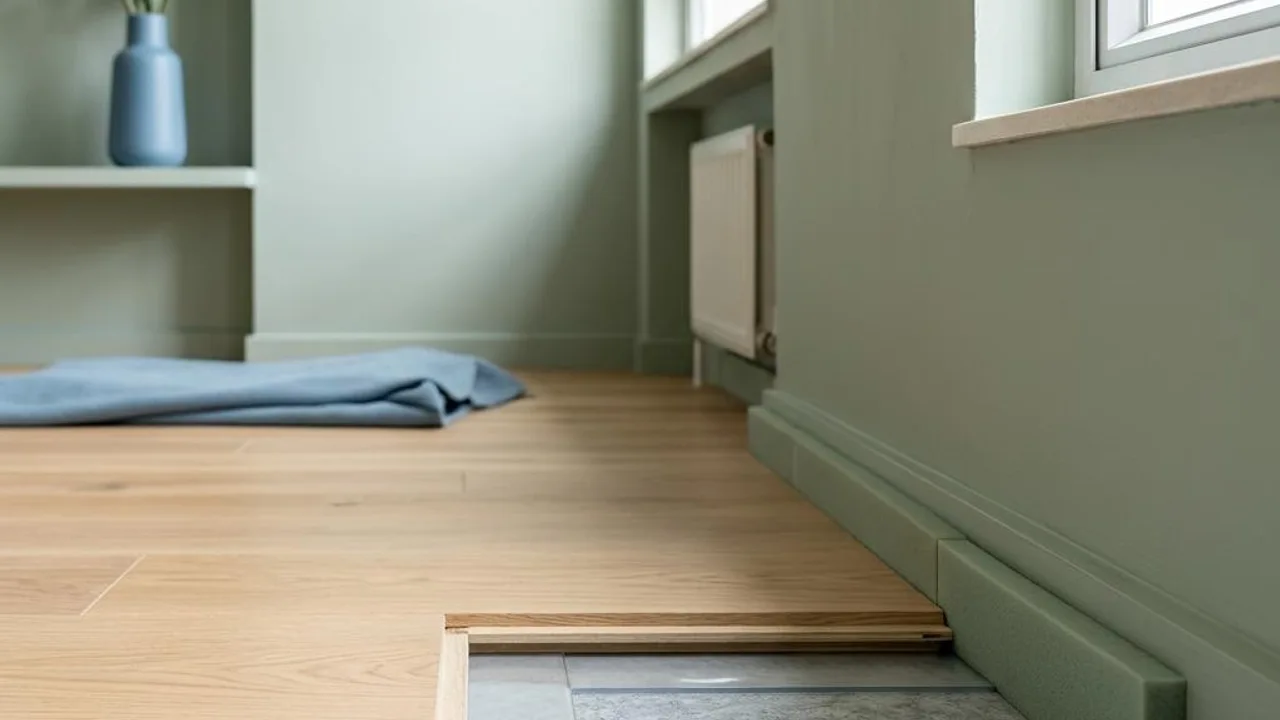
Improving the site condition of a unit can effectively increase a buyer's purchase intent. Owners should clear clutter as much as possible, ensure indoor air circulation, address obvious yellowing on walls, and use lighting to improve feelings of gloom. Keeping the space bright and spacious helps create a good first impression. These inexpensive preparatory tasks are the key to converting buyer interest. For Hong Kong buyers, a tidy and comfortable environment often beats any flowery language.
- Remove unnecessary clutter to free up visual space and make the unit look more spacious and bright.
- Ensure smooth indoor ventilation and clear sources of odour to provide a pleasant olfactory experience.
- Replace with high-brightness LED lighting fixtures to resolve the feeling of dimness caused by insufficient indoor lighting.
- Repair obvious wall cracks and repaint to reshape a fresh and clean indoor image.
The impact of structural issues and maintenance risks on transactions
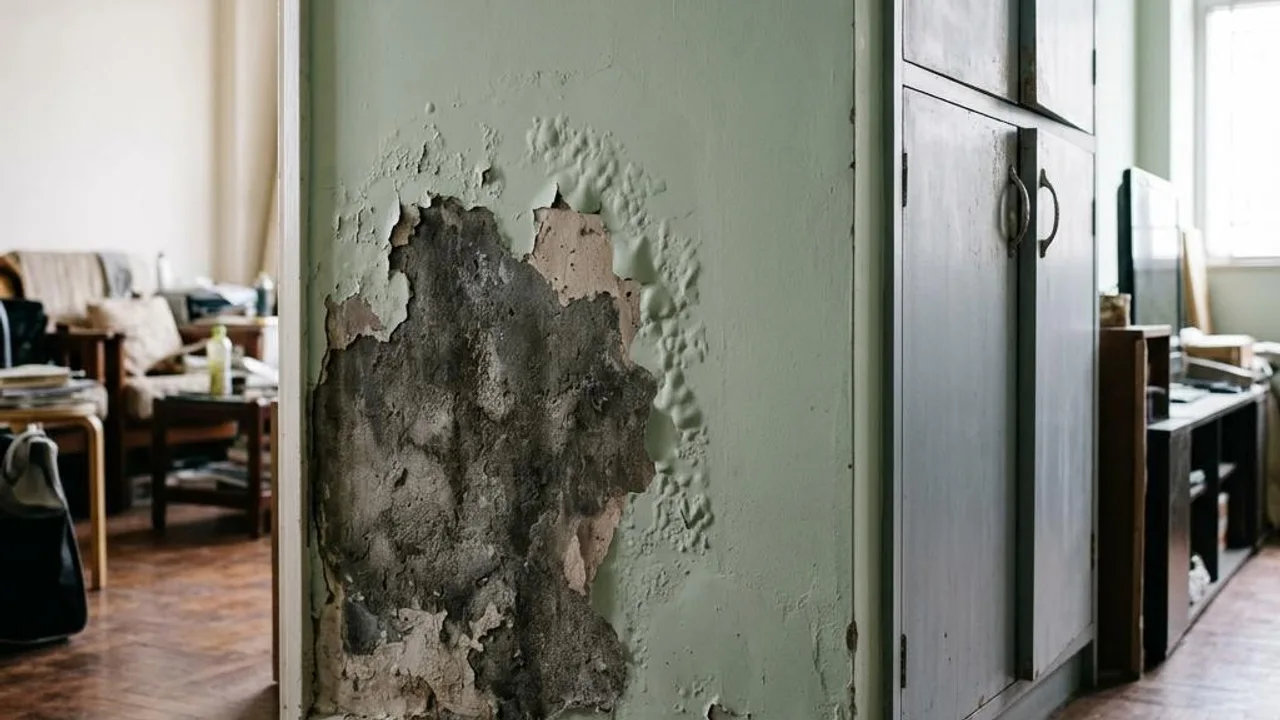
Structural issues are the core fatal flaw causing transactions to break down. Signs of water seepage, peeling plaster on window sills, ceiling cracks, or leaking pipes are huge red flags for any buyer. These hidden risks make buyers immediately associate the property with high future maintenance costs and the expectation of endless trouble. If an owner deliberately conceals or hides these flaws during the listing process, once discovered by a buyer during a viewing, it will completely destroy the basis of trust between the buyer and seller, and may even leave negative records online.
When facing structural flaws, the best approach is to clarify responsibility through professional inspection. Concealing problems is not only unwise, it makes price negotiations passive. If a buyer discovers water seepage, they will usually use this as an excuse to significantly depress the price, or even give up entirely. If a professional inspection can be performed in advance and the results displayed, it can conversely prove the owner's transparency and sincerity regarding the property's quality, which is a key plus during price negotiations.
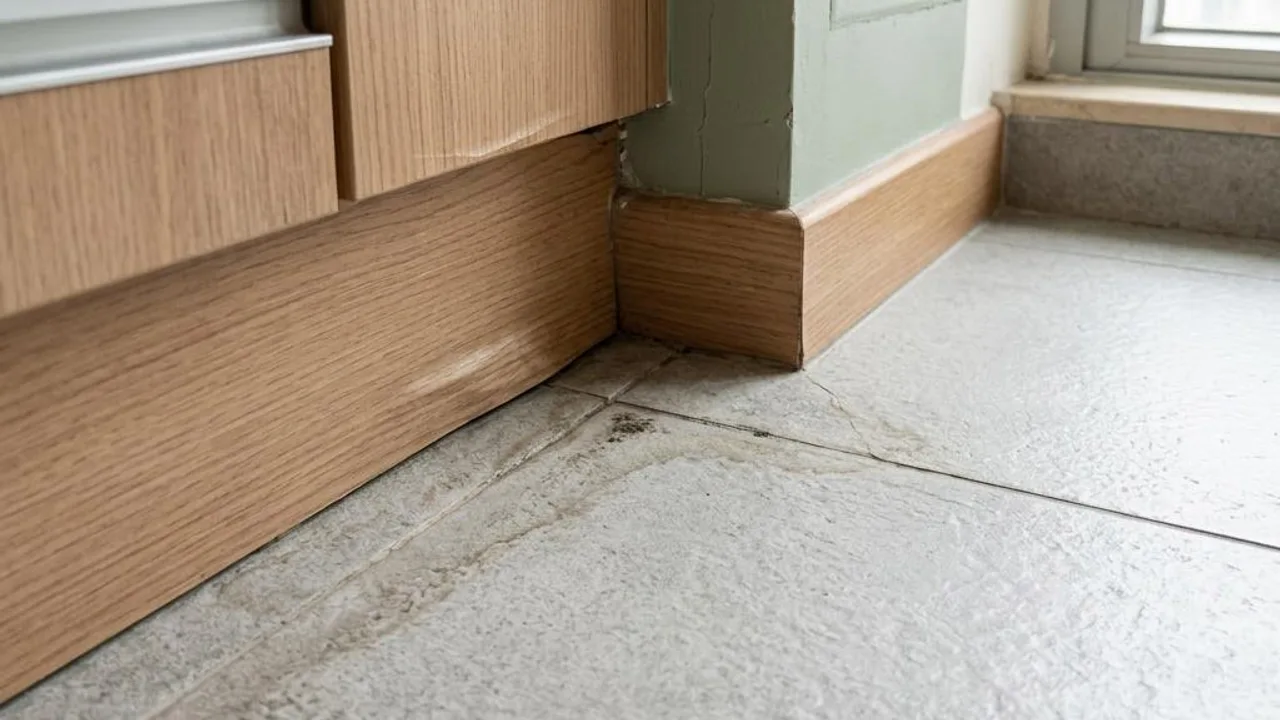
- Check whether the bottom of the bathroom door frame shows signs of swelling due to moisture; this is a common signal of internal water seepage.
- Observe whether there are water stains or bubbling paint on the ceiling, especially near communal pipes.
- Check if the waterproof sealant on the edges of window sills has aged, as this is usually the main cause of external wall seepage.
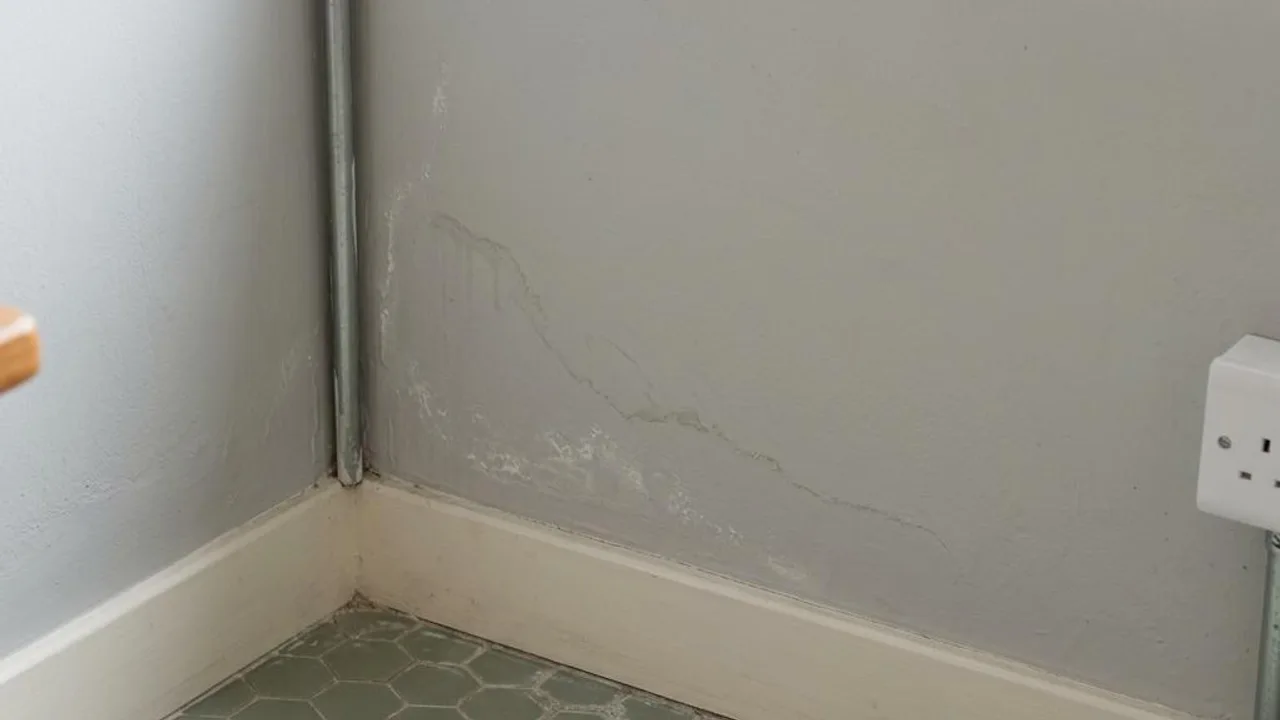
- Check for discolouration or mould in wall corners; this is a significant characteristic of long-term dampness in walls.
Safety handling boundaries and execution strategies for property inspections
The scope for DIY work that owners can safely execute is mainly limited to improving surface conditions, such as thorough cleaning, discarding clutter, changing lighting fixtures, and repainting walls. These actions aim to optimise visual effects and enhance buyer perception. However, avoid blind structural repairs without professional knowledge, such as using cement to fill cracks yourself or attempting to plug pipes suspected of leaking; these incorrect treatments could lead to the worsening of the problem, and even increase the difficulty of subsequent permanent solutions.
When problems involve long-term odours, recurring peeling, or concerns regarding structural safety, seek professional assessment rather than forcing a repair. Professional teams can locate the source of the problem through testing, differentiate between seepage or condensation, and provide objective inspection advice. This move can clarify maintenance responsibilities for both owners and buyers, reducing uncertainty in the transaction. Remember, a safe and transparent handling method is the cornerstone of a successful transaction.
- Home cleaning and space tidying are within the scope that owners can handle themselves.
- Wall renovation or small paint touch-ups help improve the sensory experience.
- Structural water seepage or issues involving pipes must be consulted with professional property inspection or maintenance personnel.
- Avoid randomly filling cracks before checking the cause, so as not to conceal the true source of the problem.
Professional follow-up and handling strategies
For water seepage or peeling where the cause cannot be confirmed, owners should seek assistance from a professional property inspection team. Using instrument testing can accurately locate the root of the leak, clarify whether it is condensation or structural seepage, and help the owner accurately resolve the issue rather than delaying.
Hiring a professional team to issue an inspection report can establish transparent trust with the buyer. Professional advice can not only guide targeted maintenance to avoid unnecessary expenses, but also provide objective data during transaction negotiations, protecting the legitimate rights and interests of both parties.
- Hire professional inspection to confirm the cause of wall seepage.
- Request professional teams to provide objective inspection advice.
- Avoid the doubling of repair costs due to incorrect handling.
FAQs
If a potential buyer visits multiple times but there is no follow-up, does it mean the unit must have structural risks?
Not necessarily. If a buyer makes no offer, it might be due to pricing exceeding market levels, excessive clutter causing the space to feel cramped, or the unit's lighting and smell affecting the first impression. It is recommended to start by optimising the indoor environment and tracking specific feedback from the buyer through the agent.
If slight water stains are found on the wall, should they be painted over first to improve sales appearance?
Not recommended. Using paint to cover up suspected seepage marks will mislead the buyer. If discovered later, it will not only damage mutual trust but may lead to a disadvantageous position during price negotiations. One should consult professional personnel for testing to confirm if it is seepage or condensation, and retain the objective report as a bargaining chip.
How should an owner deal with wall cracks in the home before listing?
Owners should first record the position and changes of the cracks. Minor surface paint cracks can be appropriately decorated, but if the crack continues to expand or is accompanied by seepage, avoid filling it yourself to avoid concealing the root cause. It is recommended to consult professional property inspection personnel to assess the nature of the cracks to ensure safety and transparency.