The truth about natural lighting and living experience in low-floor units.
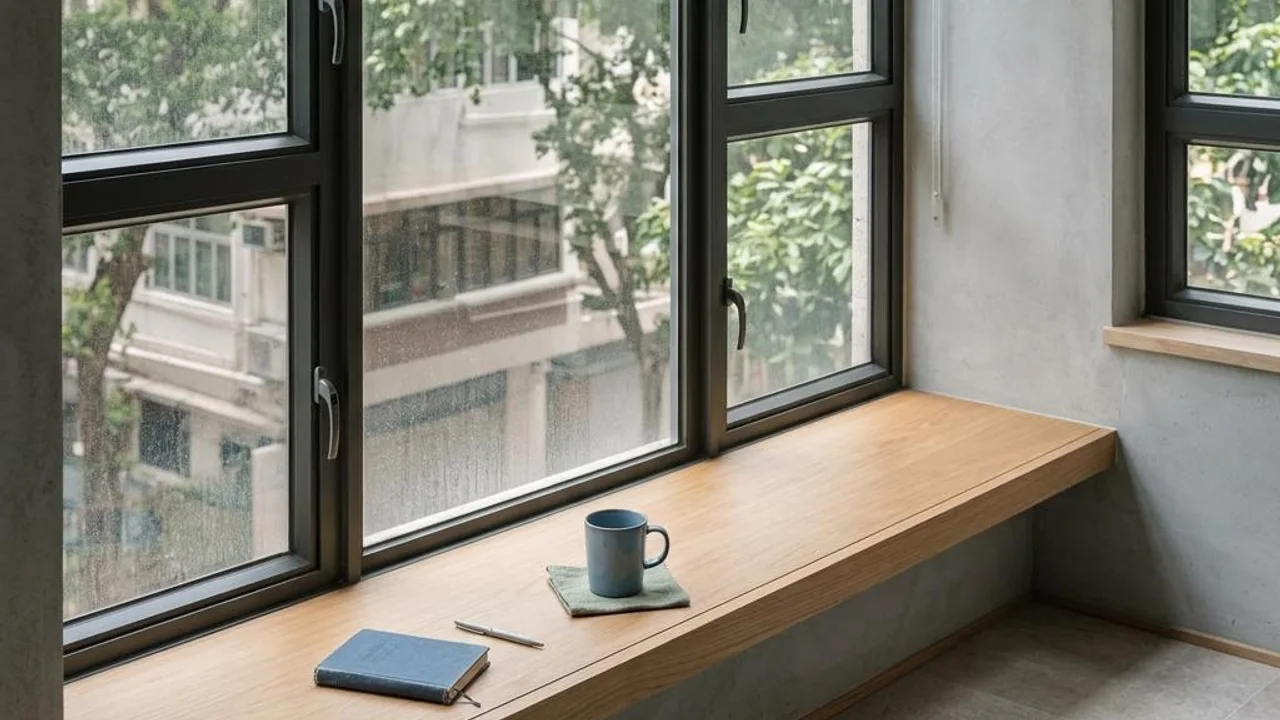
Many prospective buyers are easily misled by the bright lighting created by estate agents during viewings. At noon, a unit may appear well-lit, but in Hong Kong's dense urban areas, low-floor units are often obstructed by adjacent buildings, footbridges, or retaining walls. After officially moving in, residents often find the unit dim, relying on artificial lighting all day. In humid weather, indoor lighting becomes even gloomier; this oppressive living environment has a negative impact on the occupants' mood and daily expenses.
The dimness of a low-floor unit varies dramatically with the season and weather. Without adequate natural lighting, indoor moisture accumulates easily. Without sufficient ventilation or sunlight, long-term habitation may lead to damp walls and mould risks. Prospective buyers should avoid viewing properties only when the sun is strong; it is recommended to experience the lighting changes at dusk or on overcast days and observe the degree of obstruction by surrounding buildings to obtain the most objective assessment of the residence.
- Check the scope of obstruction caused by surrounding tall buildings or obstacles.
- Observe the actual lighting requirements indoors on overcast days or at dusk.
- Evaluate the electricity expenditure generated by the need for daily lighting.
- Feel whether there is a sense of oppression within the unit triggered by insufficient light.
Privacy issues and noise disturbance in low-floor units.
Extremely low privacy is a common pain point for low-floor residences. Because the unit is close to the street or nearby buildings, the lines of sight of passers-by, security guards, or neighbours opposite can easily penetrate the windows. To protect privacy, owners are often forced to keep curtains drawn for long periods, further weakening the already sparse natural light. This awkward situation of having no privacy when windows are closed, and noise when windows are open, is a long-term living challenge that must be faced in low-floor units.
Noise disturbance is also a core issue for low-floor units. Traffic sounds from the street, chatter during busy market hours, and even the usage frequency of facilities downstairs will enter the interior without obstruction. If residents choose to open windows for ventilation, they must endure the psychological anxiety caused by noise; if they choose to close the windows, they must rely on other ventilation facilities. During a viewing, be sure to spend enough time on-site to test the ambient noise and experience whether the interior remains comfortable enough with windows closed.
- Assess on-site the extent of coverage of the pedestrian line of sight outside the window.
- Measure the extent to which the interior is affected by external noise when windows are closed.
- Consider whether it is necessary to install soundproof windows or special window films to improve privacy.
- Evaluate the balance point between daily ventilation needs and noise.
Cost-effectiveness and actual price paid for low-floor units.
Although low-floor units are extremely attractive in terms of property prices or rent, owners should objectively weigh the gap between the surface price and the long-term living cost. A 'bargain' on the surface may hide risks such as limited lighting, lack of privacy, and frequent maintenance. For buyers with limited budgets, these drawbacks may not be insurmountable, but they must have clear psychological preparation and set aside renovation and daily maintenance costs to balance the quality of living.
When conducting comparative assessments, one should not simply refer to market prices; rather, one should consider the property's long-term value preservation and living comfort. A unit that is chronically short of natural light and has low privacy may be more difficult to resell or let out in the future. When making a decision, owners need to incorporate factors such as building structure, ventilation, and natural lighting into the budget to avoid ignoring potential living concerns and renovation expenses due to temporary greed for lower prices.
- Compare the lighting and privacy conditions of middle-to-high floor units.
- Reserve sufficient budget for interior renovations or repairs.
- Consider the long-term liquidity and value preservation potential of the property.
- Balance property expenditure with actual living comfort.
Safe DIY renovation and the scope of professional assessment.
Facing challenges of lighting and privacy, some owners will try to renovate themselves, such as installing translucent/opaque glass stickers, replacing with blackout curtains, or placing plants. These simple DIY measures are safe provided they do not alter the building structure and can moderately alleviate privacy issues. However, one must strictly distinguish between safe DIY and areas involving building expertise; do not blindly remove window frames or install large external hanging components.
If it involves ventilation efficiency, window frame sealing, or structural obstruction assessment, it should absolutely not be done by oneself. Inferior glass films, if installed improperly, can cause uneven heating of the window, increasing the risk of glass breakage. If the unit involves water seepage or structural doubts, hire an experienced professional inspection team for on-site review to avoid blindly commencing work due to a lack of construction knowledge, which could cause structural damage or violate relevant building safety regulations.
- DIY: Install removable anti-peeping films or blackout cloth curtains.
- DIY: Place an appropriate amount of indoor greenery/vegetation.
- Professional: Assess window sealing performance and water leakage hazards.
- Professional: Review ventilation convection and structural obstruction issues.
Seeking support from a professional inspection team.
Buying a home is a major life decision. When you have doubts about the true natural lighting, ventilation performance, or hidden structures of a low-floor unit, do not make a decision based purely on intuition. Professional property inspection teams have extensive practical experience and testing equipment and can provide you with an impartial environmental assessment. Through professional inspection, you can not only screen for water seepage, hollow spots, and structural loopholes that are difficult for the naked eye to detect, but also obtain practical living improvement suggestions tailored to the characteristics of the unit, safeguarding the safety of your property investment.
- Use professional equipment to conduct wall and window waterproofing tests.
- Evaluate the overall ventilation convection efficiency of the unit.
- Analyse the actual impact of surrounding obstructions on natural lighting.
- Provide objective inspection reports for reference for home purchase.
Practical observation and recording techniques.
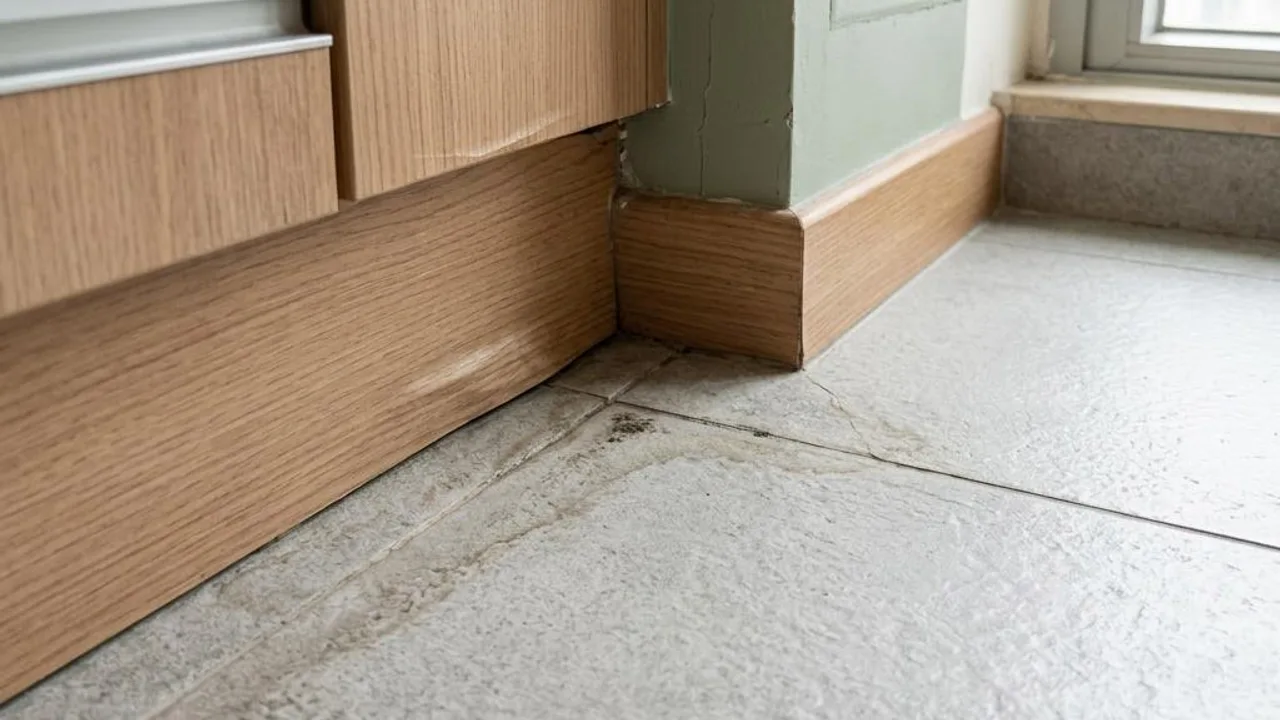
Owners should record the changes in natural lighting of the unit in different weather and time periods, observe whether there are structural obstructions outside the window, and check for signs of dampness at the wall base. Retaining these observation records is of great reference value for future repair assessments and can effectively help subsequent inspections.
If you discover that the wall plaster inside the unit is loose or hollow, do not repair it with cement yourself. Record the damage area and photograph it for the file; this information is key evidence for professional repair personnel to judge the unit's water seepage or structural hazards and can prevent misdiagnosis.
- Observe whether there are mildew spots near windows and at the base of walls.
- Use a tissue to test for signs of leakage in the window frame gaps.
- Record the actual impact of obstacles outside the window on indoor brightness.
Professional property inspection and follow-up advice.
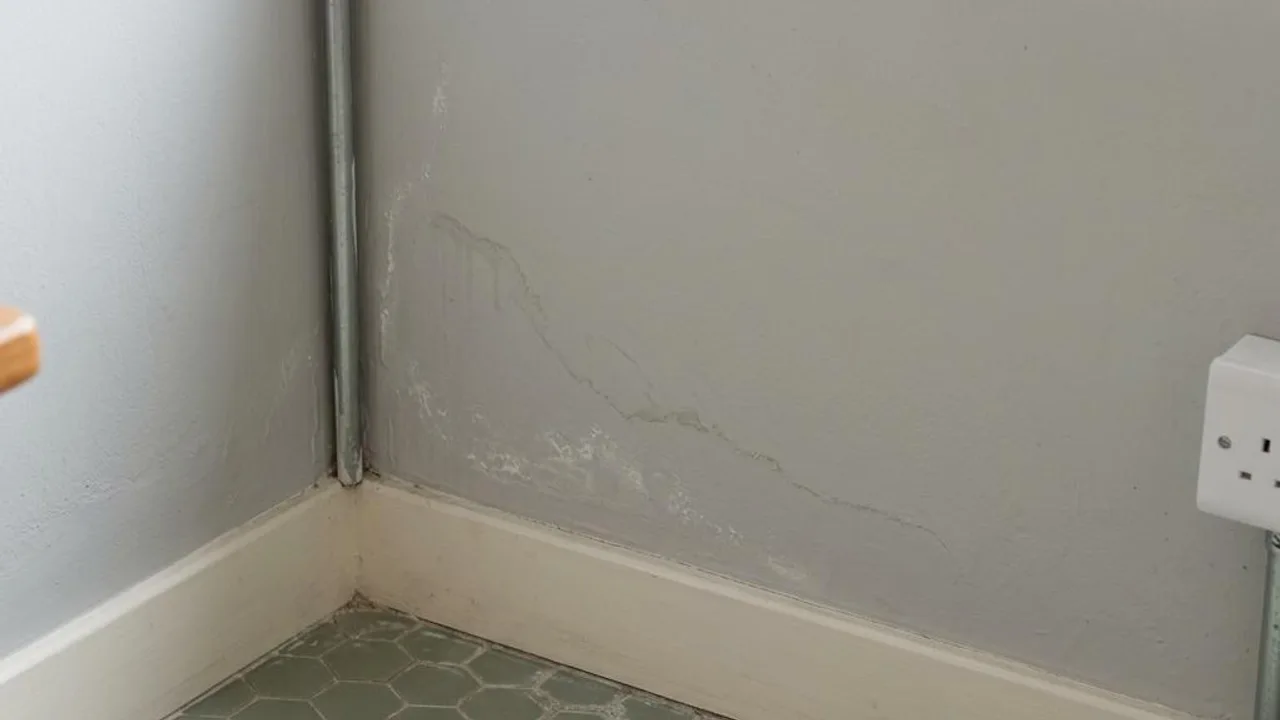
When your own observations reveal that the wall frequently exhibits water stains or flaking, do not ignore it. Hire an experienced professional team to use infrared testing to find the source of the water seepage to avoid covering up the problem with blind renovations, which would lead to more serious structural damage later.
Professional inspection services can provide owners with objective environmental assessment reports, clarifying maintenance responsibilities and improvement plans. For low-floor units, professional ventilation and sealing tests can effectively enhance living comfort and ensure that building facilities comply with safety repair recommendations.
- Consult a professional regarding the sealing performance of windows.
- Evaluate the impact of water seepage hazards on electrical circuits and walls.
- Arrange for a professional team to review ventilation convection efficiency.
FAQs
What kind of problems are low-floor units particularly prone to in the rainy season?
Affected by surrounding obstructions, low-floor units usually have poorer ventilation. During the rainy season, moisture is difficult to dissipate and easily accumulates at the wall base or window frames, which may trigger damp walls, mildew, or plaster hollowness.
If a low-floor unit lacks sufficient privacy, what facilities can owners install themselves to improve it?
Owners can choose to use translucent/opaque glass stickers, blackout curtains, or place indoor plants. These fall under the scope of safe DIY and can effectively block the line of sight without affecting the building structure.
Why is it inadvisable to carry out repairs yourself when water seepage or hollow spots are discovered in a low-floor unit?
DIY repairs may cover up the source of water seepage and fail to cure structural hazards. You should record the damaged area and hire a professional team to test it to ensure that the judgment is correct and complies with safety regulations.