
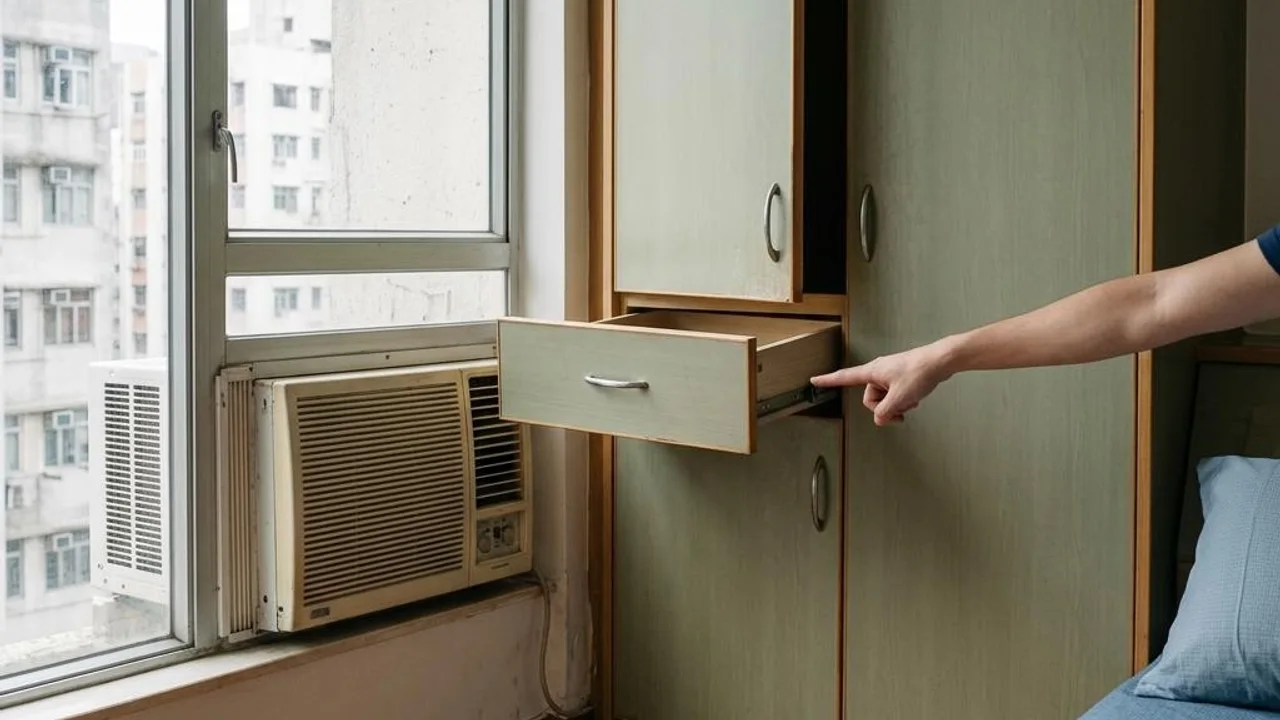
Verify the scope of delivery from the delivery checklist
The equipment list in the sales and purchase contract is often the most overlooked part by both parties. The exquisite furniture, electrical appliances, or accessories seen on-site do not necessarily all fall within the scope of delivery. Before starting the property inspection, please check against the contract annex and verify the model, quantity, and list of remaining accessories for each piece of equipment with the agent or seller one by one.
For items where there is disagreement in the contract, they should be listed as a pending confirmation list, and the seller should be required to reply in writing. Please be sure to remember that general property inspection services are primarily responsible for inspecting the status quo, cannot replace the legal interpretation of contract content, and cannot serve as legal evidence for adjudicating delivery responsibilities.
- Brands and models of electrical appliances to be delivered as agreed in the contract
- Number of shelves and drawers included within the fixed kitchen cabinets
- Status of the delivery of lighting fixtures and lamps
- Handover of fixed installations such as water heaters and air conditioners
- List of furniture or decorations pending clarification
Record the visible condition and accessories
Record the status of visible equipment casings, cabinet doors, and accessories, focusing on whether there are scratches, damage, or missing key components. Do not move heavy or built-in equipment yourself, as forcing them out may damage the original water and electricity connections and increase the risk of equipment falling or wires snapping.
If the equipment model label is unclear or cannot be read due to obstruction, please note that it could not be verified; do not guess its service life or model based solely on appearance to avoid misleading subsequent maintenance inquiries. Each anomaly should be clearly numbered and photographed for record to reflect to the owner.
- Assessment of the integrity of cabinet surfaces and casings
- Whether accessories (e.g., stove racks, filters) are complete
- Whether there is metal corrosion or looseness when opening and closing cabinet doors
- Marking of obstructed areas that cannot be safely inspected
- Missing equipment labels or model records
Permissions and safety restrictions for operational testing
Even if there is water and electricity supply in the unit, it does not mean that all second-hand electrical appliances are immediately fully operational. Before operating any built-in or high-power equipment, be sure to obtain confirmation from the responsible party regarding their usability to avoid tripping or other electrical accidents caused by equipment ageing.
Daily switch operation observation is not equivalent to professional performance testing. If you notice strange odours, unusual noises, or sparking after turning on an appliance, you should stop using it immediately and do not test it repeatedly. When involving gas equipment or internal wiring modifications, you must hire registered professionals to perform inspections. General inspection is only a superficial observation and cannot guarantee the internal safety, remaining service life, or construction compliance of the equipment, nor should it be regarded as professional performance certification.
- List of equipment authorised for operation and safe operating procedures
- Immediate handling recommendations for equipment abnormalities
- Confirm circuit load before operating electrical equipment
- Recommendation against repeatedly testing equipment functions
- Scope of professional work for seeking a registered electrical contractor
Inspection and safety principles for fixed furniture
For fixed furniture such as kitchen cabinets and wardrobes, focus on the condition of their surface hardware, such as whether hinges are rusted or cabinet doors are level. After obtaining consent from relevant parties, you can test the smoothness of opening and closing, but destructive tests such as climbing, hanging heavy objects, or chiselling open decorative covers are strictly prohibited.
If you discover that the cabinet structure is tilting, cracked, or loose at the connection to the wall, it is recommended to stop using it immediately and notify the seller. The internal connections of such fixed furniture belong to concealed works, and the scope of property inspection may not cover all details; if there are concerns about structural or safety hazards, it is recommended to hire a professional interior designer or structural consultant for on-site verification.
- Tightness of cabinet door hinges and handles
- Assessment of the operating smoothness of drawer sliders
- Whether there are cracks at the connections between fixed furniture and the wall
- Whether there are signs of deformation due to load on the cabinet structure
- Integrity of surface coating and odour observation
Principles for collecting user manuals and maintenance records
Request equipment user manuals, maintenance receipts, and existing maintenance information from the seller, and note the source of the information. Buyers should be aware that even if the equipment remains in the unit, it does not mean that they automatically enjoy the original manufacturer's warranty. Whether the warranty can be transferred and the validity period must be checked against the original terms and confirmed directly by the supplier.
- Validity of original manufacturer equipment warranty certificates
- Summary of past maintenance receipts and work content
- Original operating manuals for various household appliances
- Contact database for repair and maintenance services
- Record of enquiries regarding equipment warranty transfer policies
Final comparison of equipment upon handover
On the handover day, bring the previous property inspection record and compare it with the current situation again. Check for missing equipment, changes in accessories, and whether known problems have worsened during the transaction period. Any objections related to delivery should be enquired about in writing through the channels specified in the contract.
Technical equipment abnormalities should be separated from the division of contractual responsibilities, and a clear record-keeping habit should be maintained. Before the responsibility is clarified, do not perform any modifications or removals yourself, so as not to make it difficult to trace evidence after the on-site situation changes, thereby protecting your rights for repair and maintenance after the property handover.
- Checklist comparison to confirm whether equipment is delivered in good condition
- Compare whether known problems have worsened over time
- Record deficiencies and damages during the handover process
- Organise evidence of written enquiries to relevant parties
- Final check to confirm that the delivery status complies with contract terms
FAQs
I discovered that the second-hand air conditioner has abnormal operational noise during the property inspection; how should I handle it?
Please stop operating the equipment immediately and record the time and situation when the abnormal noise occurs. Since property inspection does not represent a professional repair diagnosis, it is recommended that the relevant observation results be notified to the seller through the estate agent, and consider hiring a qualified technician to inspect it after the handover.
Are the electrical appliance warranty certificates left behind by the seller automatically transferred to me?
Not necessarily. Warranty services are usually tied to the original contract, and whether the name can be transferred depends on the brand's terms. It is recommended that you check the content of the warranty certificate and call the relevant supplier directly to enquire about the transfer policy and remaining warranty period.
If hardware parts inside fixed kitchen cabinets are found to be aged and rusted, does this fall within the scope of property inspection?
It falls within the scope of recording. During the property inspection process, you can examine and record the corrosion and the smoothness of opening and closing of hardware accessories as written evidence of the on-site status quo. However, judging whether it needs to be replaced or who should bear the maintenance costs should be negotiated with the seller according to the terms of the sales and purchase contract.