
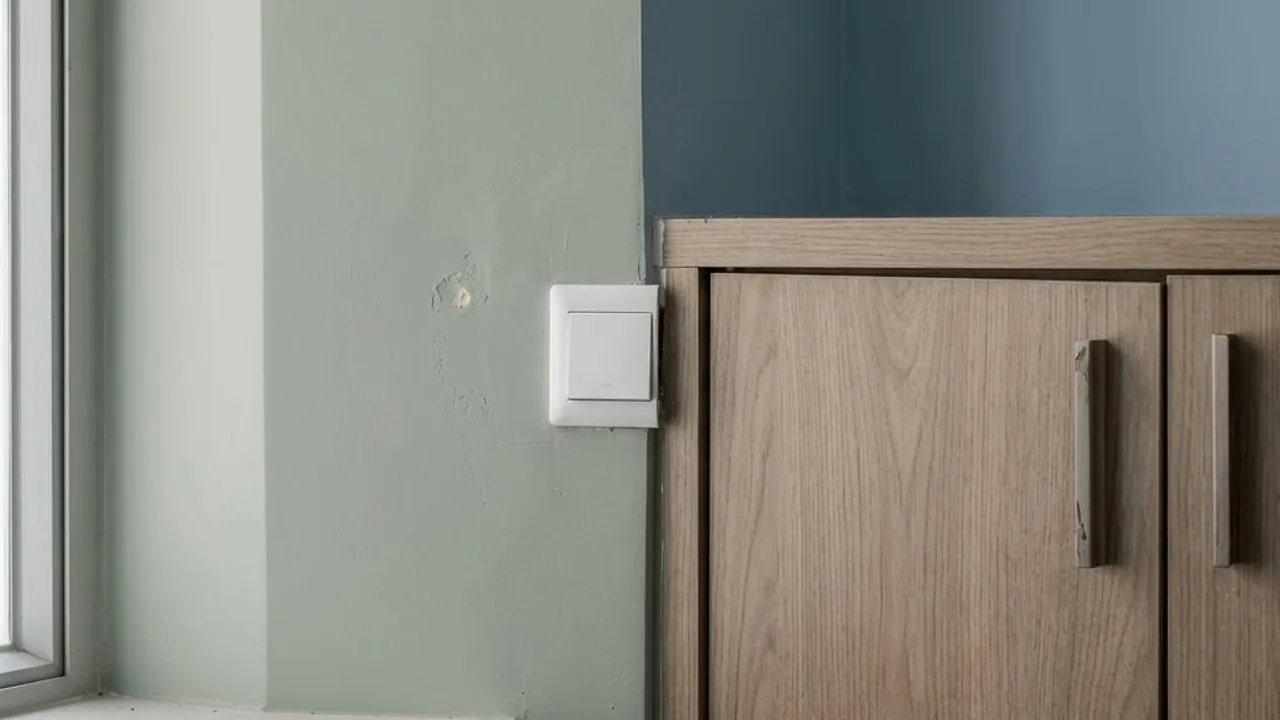
Prepare project list and establish inspection benchmarks
When inspecting renovation works, do not rely on impression alone. You must bring all signed scopes of work lists, construction drawings, material specifications, and all written change records. It is recommended to organize these files by functional area to ensure you have a clear basis for comparison when inspecting each room. Any verbal promises not confirmed in writing should be treated as 'to-be-verified' items during inspection and cannot be taken as compliant.
At the same time, request the contractor to provide appliance operation manuals, maintenance information, and necessary completion records. Inspection is not just checking the surface; it involves contract fulfillment and future warranty rights. A clear comparison list can effectively reduce disputes between both parties and ensure every item stands up to contractual verification.
- Confirmed project quotes and construction details
- Design drawings and material lists signed by both parties
- Records of all Variation Orders (VO)
- Appliance warranty documents and installation records
Confirm pre-inspection environmental status and execution conditions
Renovation being just finished does not mean all materials are ready for full use. For instance, newly laid floor grout, paint undercoats, or waterproofing coatings all require proper setting or drying times. Before inspection, clearly ask the contractor which items are ready for testing; do not estimate times yourself to avoid damaging the result by operating too early.
If there are still piled materials, uncleaned dust, or water and electricity not yet fully connected, these constraints must be recorded in the inspection table. Never mark items as 'passed' if they could not be checked due to inadequate site conditions. Inspection should be a truthful assessment of the project results under capable conditions.
- Confirm with the contractor which locations are ready for operation
- Mark uninspected areas affected by renovation dust
- Record equipment that cannot be tested due to lack of water or power
- Distinguish between 'completed' and 'ready for use'
Itemized detailed inspection: Surface quality and operational functions
It is recommended to carry out the inspection from top to bottom, and from inside to outside. First, check the surface evenness of ceilings, walls, and floors, the colour consistency of the paint, and tile gaps; then, check if doors and windows open and close smoothly, and if drawer and cabinet hardware are operating normally. Remember to compare against the samples agreed upon in the contract to confirm that the actual finished result meets the terms agreed by both parties.
Seams between different materials are common points for defects; special attention should be paid to whether the joints are neat and secure. Furthermore, when performing functional tests, you must strictly follow the operational requirements in the equipment manuals; do not force tests in abnormal ways to avoid causing unnecessary damage or misjudgement.
- Surface: paint evenness and tile joints
- Operation: cabinet doors, drawers, and door/window opening and closing
- Fixtures: installation of lighting and bathroom accessories
- Environmental constraints: mark areas that cannot be tested
Systematically categorize defects to improve communication efficiency
Systematically categorising problems found during the property inspection can significantly improve communication efficiency. It is suggested to categorise them into 'Incomplete Items' (e.g., missing accessories), 'Defects Requiring Rectification' (e.g., paint scratches or uneven gaps), and 'Matters Awaiting Confirmation' (e.g., concerns about equipment operation). This classification allows the contractor to see at a glance the severity and priority of each issue.
Every record should specify the exact location and a description of the issue, supplemented by photographs. Remember, the focus at this stage is on clear 'discovery and reporting' rather than rushing to a conclusion about who is responsible. Once the problem areas are clearly defined, it is easier for both parties to reach a consensus on the rectification plan.
- Categorisation: Incomplete, Defects Requiring Rectification, Matters Awaiting Confirmation
- Detailed description of problem location and phenomenon
- Refuse vague 'will rectify' responses
- Use numbering to mark each discovery
Require written confirmation for handling and follow-up plans
After submitting the list, you must require the contractor to provide a clear response for every item, including the method of rectification, expected completion time, and matters requiring the owner's cooperation. Never accept a vague verbal commitment like 'will help you fix it'. For items involving contractual disputes, the original description should be retained and third-party advice sought, as the property inspection list itself is not a contract adjudication document.
At the same time, conditions for reinspection should be established. For areas needing defect rectification, clearly specify the inspection standards under which they will be deemed acceptable. Maintaining a complete document record is an important step in protecting the owner's rights, ensuring all remedial work is documented to avoid repeated rectifications that fail to solve the problem.
- Require the contractor to confirm the list of accepted items
- Lock in the expected completion schedule
- Agree on specific standards for reinspection
- Keep records of all communication replies
Reinspection procedures and completion requirements
When the contractor notifies you that defect rectification is complete, a reinspection should be arranged. During reinspection, strictly compare against the original list to verify one by one whether the issues have been fundamentally solved, and check if the rectification process caused any new damage. Before-and-after photos saved by the owner are the best evidence for inspection at this time.
Finally, confirm that all parts, instruction manuals, and warranty certificates have been received. Ensure all engineering changes and inspection records are filed as a basis for future home maintenance or follow-up work. When concluding the inspection, do not sign any inspection receipts that are incomplete or blank.
- Compare against the original list to verify rectification results
- Check if there is new damage during the rectification process
- Confirm receipt of all parts and instruction manuals
- Properly save before-and-after photos as proof
FAQs
If uneven floor tile joints are found during inspection, how should it be handled?
It is recommended to mark the tile area and take photos to record the difference in flatness, and include it in the 'Defects Requiring Rectification' list. Ask the contractor to explain whether the tile joints meet the technical agreements regarding material installation in the initial contract, and require them to propose a specific repair plan and the expected completion time.
If water and electricity are not operational on the day of inspection, how should one respond?
If water and electricity are not yet connected or commissioned, the site is not in a condition for a full inspection. The owner should list it in the 'Matters Awaiting Confirmation' and clearly require the contractor to arrange another time for a functional reinspection after the system connection and basic commissioning are completed. Never force a pass for the project in the absence of water and electricity supply.
Is a contractor's verbal promise to fix defects sufficient?
A verbal promise is not enough. All findings of defects during inspection, rectification plans, and expected completion times must be confirmed in writing or through communication logs. Ensure that communication content between both parties is kept, and require the contractor to provide a clear written path for repair for each listed defect to avoid a lack of proof in the event of future disputes.