
Confirm materials and construction requirements
Tiles, wooden floors, and other floor coverings have different characteristics and observation focuses. Before inspection, verify the material list in the renovation contract and the instructions provided by the contractor. The responsible renovation contractor must explicitly confirm whether the newly laid floor is suitable for stepping on, cleaning, or placing furniture.
During the inspection, owners should avoid splashing large amounts of water, jumping heavily, or trying to dismantle floorings for testing to prevent damaging the finishes or affecting the underlying structure. Following the contractor's professional advice is the key to maintaining the floor in its best condition within the warranty period.
- Confirm product model and construction plan
- Check if it has reached a state ready for use
- Avoid using hard objects or scratching for testing
Overall observation and detailed inspection of corners
Under natural light, you should scan from an overall perspective before recording details, including chipped corners, cracks, buckling, stains, or obvious seams. The texture or colour of the materials should align with the sample data confirmed by both parties; do not rely solely on renovation product pictures as the only standard for judgment.
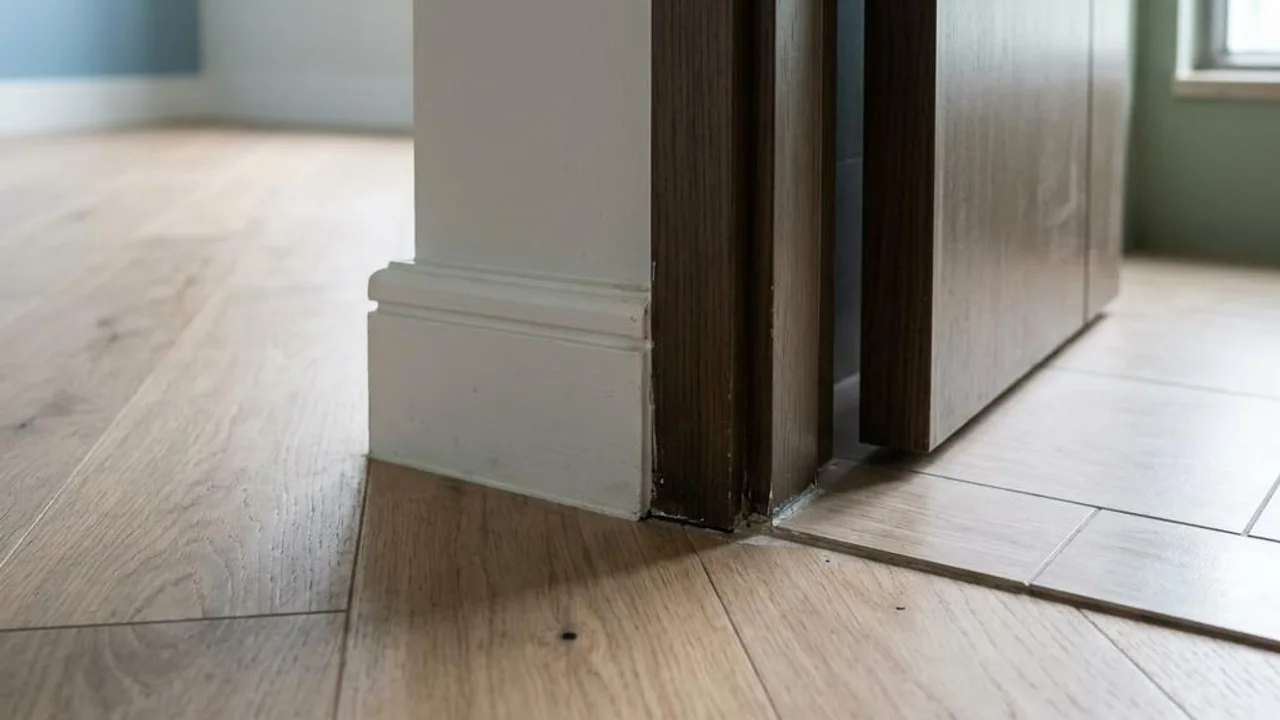
If the flooring is still covered by protective layers or obscured by heavy renovation materials, it should be accurately recorded as an unobservable area. Details near door frames, walls, skirting boards, and transitions between different materials must be carefully checked and categorized to ensure the defect list is clear and useful for reference.
- Joints between door bottoms and walls
- Fit of skirting boards
- Transitions between different materials
- Record existing damage and abnormal walking sensations
Sound and flatness of tile laying
There are many reasons for sound differences when tapping tiles, which are closely related to the underlying materials and laying methods; do not judge the construction quality based on a single tap. Owners should not use heavy objects to strike the tiles, as this could cause surface cracking; if anomalies are found, record the location and coverage area.
If an inspection record already exists, use the standard numbering to label the area and observe if the section has accompanying cracks, loosening, or grout detachment. For tile inspection, take objective records, noting the specific location for professionals to assess subsequent treatment plans, avoiding blind requests to remove whole tiles.
- Use standard numbering to record areas
- Observe if accompanied by grout detachment
- Note signs of tile cracks and hollow sounds
Buckling and usage abnormalities of wooden floors
Wooden floors are extremely sensitive to humidity; when recording, note edge buckling, joint width changes, and abnormal noises during normal walking. Never jump, step forcefully, forcibly dismantle boards, or pour water into joints for testing, as these actions may cause irreversible structural damage.
If deformation due to moisture is suspected, record the specific areas observed rather than inferring internal causes yourself. Environmental factors, installation quality, and material differences for wooden floors must be further queried by professional renovation personnel; walking noises or surface appearance alone cannot directly reflect internal problems.
- Check edge joints and buckling
- Record abnormal noises when walking
- Avoid forced dismantling tests
Joint details for door bottoms, skirting, and cabinet edges
If door panels show signs of scraping the floor when opening/closing, clearly record the door location, angle of scraping, and relevant floor area. Do not grind the door or shave the floor yourself to hide the problem, as this not only affects the appearance but may also damage the surface structure.
For questions regarding loose skirting, gaps at joints, or transitions between different floorings, create a list item by item. Avoid generalizing all problems as 'flooring issues'; detailed records help contractors quickly locate and resolve distinct renovation defects.
- Record locations where door bottoms scrape the floor
- Check if skirting boards are loose
- Detail the list of transitions for different materials
Review work after defect rectification
When the contractor finishes repairs, compare the results against the original defect list to see if the work meets standards, and check if the repair process has affected adjacent surfaces or fittings. Color differences after partial replacement, joint treatment, and any potential new damage must be recorded separately.
Keep all repair records and replies from the contractor; do not equate a 'Notice of Completion' with all issues being fully resolved. The inspection process should always be based on comparisons before and after the work, confirming that every affected detail has been properly addressed to protect the owner's rights.
- Cross-check against the original defect list
- Check adjacent surfaces for damage
- Record color differences after partial repair
FAQs
Does discovering hollow sounds in tiles during a flooring inspection mean they must be replaced immediately?
Not necessarily. Hollow sounds have complex causes and may be related to the underlying laying technique. It is suggested to record the location and request a professional contractor to assess if there are risks of cracking or detachment, rather than blindly requesting a replacement.
What can an owner do if wooden floors make abnormal noises when walked upon?
Owners should record the specific locations and frequency of noises and observe if there are signs such as buckled joints. Avoid trying to dismantle the boards yourself; report the situation to the contractor and request professional personnel to investigate whether it involves installation gaps or environmental humidity issues.
What is the focus of the inspection after the contractor completes repairs?
Cross-check item-by-item against the original defect list to confirm if repairs are up to standard. Simultaneously, check if the repair process caused secondary damage to surrounding walls, skirting, or furniture, and record any partial color differences resulting from the repairs.