
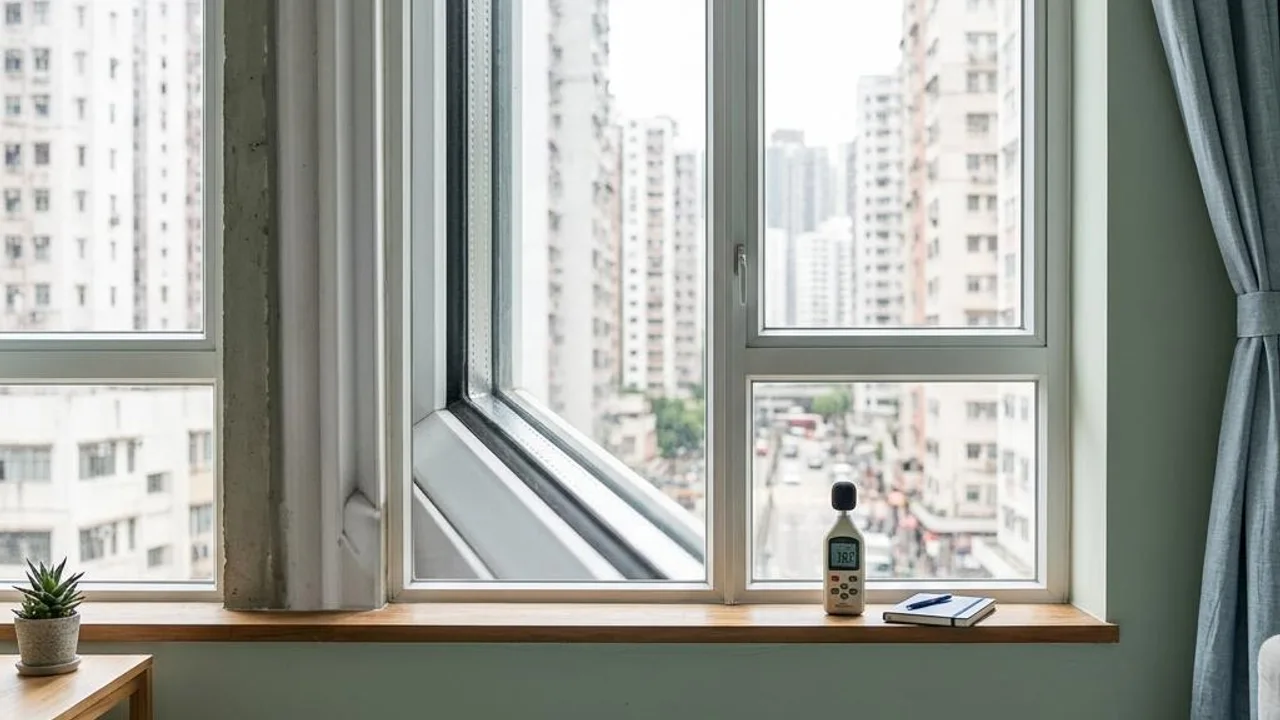
Why must soundproofing tests not be missed during property inspection when buying a home in Hong Kong?
Hong Kong's building density is extremely high, and residences adjacent to roads, railways, or construction sites are quite common. Many prospective owners focus excessively on wall hollows, paint defects, or floor flatness during property inspection, while often ignoring soundproofing performance. Soundproofing effects directly affect living quality; if not inspected in detail at handover, discovering problems after renovation and moving in will make subsequent remedial work not only costly but also likely to involve major construction such as removing window frames, making the process extremely tedious and expensive.
Sound travels through air; as long as there are tiny gaps in the wall structure or window frame edges, noise will seep into the interior. Developers often conduct handovers during the day or when the environment is relatively quiet, making it difficult for owners to detect the true level of ambient noise. Therefore, conducting systematic soundproofing tests during the property handover and inspection stage is the first line of defence to ensure future domestic tranquillity. Owners must remain vigilant and carefully check the sealing condition of window edges and the stability of window lock hardware.
- Sound has strong penetration power; any structural gap is a conduit for noise intrusion.
- It is difficult to simulate the real noise interference of night or peak hours during daytime property inspections.
- The cost of remedial soundproofing is extremely high; ensure quality during the property inspection stage.
- Carefully check window edge sealing and airtightness performance to prevent chronic noise torture.
The myth of double glazing soundproofing: is looking at the glass thickness alone enough?
Many new properties boast the use of double-glazed hollow glass, and owners often mistakenly assume that the thicker the glass or the more layers, the quieter it must be. In fact, the soundproofing effect depends on the thickness of the hollow layer, the structural configuration of the glass, and the manufacturing process. Simple assembly of two thin pieces of glass usually does not have ideal soundproofing performance against low-frequency noise (such as the low-frequency sound of vehicle engines). If the hollow layer design is unreasonable or the materials are poor, the soundproofing effect will be greatly reduced.
During a property inspection, owners should examine glass quality from multiple angles. The presence of moisture, fog, or obvious dust within the air gap of double-glazed glass indicates a seal failure, which not only causes a sharp decline in thermal and acoustic insulation performance but may also suggest potential leakage risks. Owners must check the glass surface for cracks, bubbles, or deformation; these defects not only affect aesthetics but also reduce the window's overall acoustic performance and must be included in the defect rectification list.
- The performance of double-glazed glass depends on the thickness of the air gap and the PVB acoustic membrane.
- Check the inside of the glass for moisture or fog, as these are signs of seal failure.
- If there are fine cracks or bubbles on the glass surface, it will affect the sound insulation capability.
- Do not blindly rely on glass thickness; check the overall sealing quality instead.
Window tightness inspection: find the culprit behind annoying noise and draughts
Even if the glass quality is excellent, if the overall airtightness of the window is insufficient, noise will still enter through the gaps. The window seal gasket is a critical component; it should be sufficiently elastic and rebound quickly after being pressed. If the gasket shows signs of hardening, cracking, is too short, or has gaps at the window frame corners, the airtight and soundproofing functions will be lost. During a property inspection, owners can touch along the window frame to ensure the gasket fits perfectly without detachment or misalignment.
The performance of hardware also affects the tightness of the window. After closing and locking the window, you should feel the damping of the handle and gently push the sash to confirm if it wobbles. If there is a visible gap between the sash and the frame, it means the window lock or hinges are not providing sufficient clamping force. This not only causes poor sound insulation, but also creates a significant risk of water ingress during storms or rain; you must request that the developer adjusts the hardware fittings.
- Check if the gaskets show signs of hardening, cracking, or gaps at the corners.
- Test the window hardware to ensure there is no wobbling or gaps after closing the window.
- Check the elasticity of the sealing gaskets; request a replacement if they are too hard or have lost their elasticity.
- Test airtightness by checking for drafts around the window frame.
The chain reaction of poor soundproofing: from sleep quality to the crisis of life privacy
The impact of poor window sound insulation goes beyond just noise. Living in a noisy environment long-term puts continuous pressure on the nervous system, leading to degraded sleep quality, which in turn affects mood and the immune system. For residents who specifically need a quiet environment for work or rest, the chronic distress caused by low-frequency noise is often more unbearable than sudden loud noises and represents a serious blow to living standards.
Insufficient airtightness also leads to other domestic issues. Windows with poor sound insulation are usually accompanied by cold air leakage and energy waste. Indoor temperature is lost in winter, and it is difficult to maintain a constant temperature in summer, which increases the load on air conditioning systems and raises electricity costs. Furthermore, if the window frame structure is loose, it can lead to water seepage during extreme weather, putting the quality of life at risk; therefore, owners must prioritize this and arrange for defect rectification as soon as possible.
- Long-term exposure to low-frequency noise environments severely affects sleep and physical and mental health.
- Poor sound insulation is usually accompanied by airtightness defects, affecting the energy efficiency of air conditioning.
- Gaps in the window frame increase the risk of water seepage and make leakage more likely during severe weather.
- Sound insulation issues compromise domestic privacy and reduce home comfort.
Seek help from a professional team
A property inspection is a professional and meticulous task, and it is difficult to accurately judge window hardware structure, airtightness deviations, or deep structural issues with the naked eye alone. If you have doubts about window specifications, sealing conditions, or sound insulation performance during your property inspection, seeking the assistance of a professional OPO Inspection team is the wisest choice. A professional team possesses extensive practical experience and specialized testing tools to objectively evaluate the condition of the unit, identify overlooked risks, and fight for your entitled defect rectification rights.
- Utilize professional testing equipment to identify airtight gaps that are difficult to spot with the naked eye.
- Obtain a detailed inspection list to provide professional guidance for developers to rectify issues.
- Evaluate whether window hardware and glass structures meet delivery standards.
- Avoid misjudgment or omissions caused by incorrect DIY testing methods.
FAQs
If moisture is found inside the glass during a property inspection, does it definitely mean poor sound insulation?
Yes. Moisture between glass layers indicates seal failure, meaning the air gap can no longer provide the designed thermal and acoustic insulation performance, and the entire glass unit should be replaced.
If the sash still wobbles after closing the window, how should I request the developer to handle it?
Wobbling indicates insufficient hardware locking force or loose hinges. It is recommended to record the specific location and request the developer to re-adjust the window lock force or replace the damaged hardware to ensure the sash fits tightly against the frame.
Is the aging of sealing gaskets directly related to noise issues?
Yes. Sealing gaskets are key to blocking noise and external airflow. If the gaskets lose their elasticity, become deformed, or have gaps, sound will travel directly through these gaps into the room; requesting a replacement with new gaskets is mandatory.


