
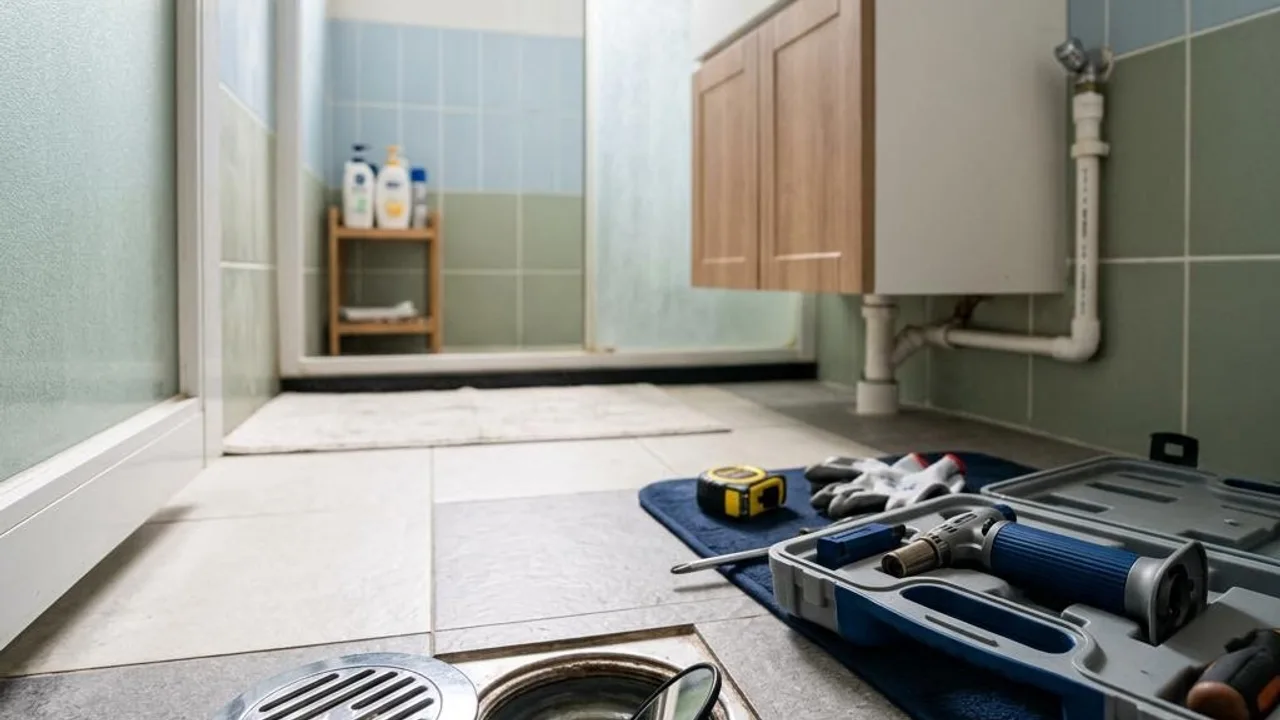
Why property inspections must prioritize odor inspection
Odor problems in a home often stem from external environment infiltration or design flaws in the internal drainage system. Long-term exposure to environmental odors not only directly affects the living experience but may also reflect insufficient wall airtightness or poorly installed drainage pipes. When taking possession of a new home, in addition to checking the appearance, odor prevention performance must be included in the assessment list to safeguard future home air quality.
Odors can seep in through tiny gaps via airflow, especially in spaces not properly sealed after renovation. Through systematic inspection, owners can confirm whether the house has sufficient barriers to effectively block odors from public pipelines or air conduction generated by neighbors' cooking, ensuring the independence and comfort of the living space at the source.
- External air seeping in through gaps in doors and windows
- Odours backing up from bathroom or kitchen drainage pipes
- Insufficient sealing capacity of wall materials
- Odours from common areas seeping in through the main entrance door
Key inspection points for home odor prevention
The compactness of walls is the primary defence against noise and odours. During property inspection, the wall structure should be observed; if visible gaps are found at connection points, odours may transmit through them. Although concrete walls provide better blocking effects, for dry walls or lightweight partitions, it is essential to check if the board joints are strictly sealed to prevent airflow from passing through.
The airtightness of doors and windows also determines the odour-prevention effect. Check whether there is sealant between the window frame and the wall, and test the pressure sense after the window locks are engaged. If the gaps are found to be too large, consider replacing them with high-specification sealing strips during future renovation, as this is crucial for maintaining a complete separation between the indoor environment and external air.
- Check if wall joints are level and free of cracks
- Use paper to test the sealing level of the window frame
- Confirm if the gap at the bottom of the door is excessive
- Observe the routing of kitchen and bathroom ventilation ducts
Drainage systems and air exchange management
The drainage system is the most common source of indoor odours, especially floor drains or washbasin pipes. During property inspection, it is essential to ensure that all anti-odour traps have sufficient water seals to block sewage pipe odours from entering the interior. If the unit has been vacant for a long time, the water seal in the drainage system may dry up due to evaporation and lose its barrier effect, leading to odours flowing back.
A good ventilation design should be able to quickly remove kitchen fumes or bathroom moisture. During property inspection, verify whether the exhaust fan duct is completely connected to the outdoor vent rather than discharging airflow into the false ceiling. If the pipe is found to be poorly connected or leaking, fumes cannot be effectively discharged, leading to a decline in indoor air quality.
- Check if the floor drain is equipped with an anti-odour device
- Ensure there are no leaks at the drainage pipe connection points
- Confirm that the kitchen fume exhaust pipe leads directly outdoors
- Regularly pour water into drains to maintain the water seal
Handling strategies after discovering odor problems
If obvious odours or airtightness problems are found during property inspection, the first step is to photograph and record the specific location, then request the relevant engineering responsible party to carry out targeted repairs. For example, regarding poor window sealing, request the re-installation of sealing strips or the repair of leakage points in connected pipes; these all fall under the basic scope of building acceptance and cannot be ignored.
During the home improvement or renovation stage, owners can reinforce soundproofing and odour-proofing materials by using high-quality boards and ensuring tight joint treatment. For detected odour problems, physical repair measures must be taken first, rather than merely relying on air freshening products to mask the scent, as the latter cannot solve the gas seepage problem from the structural source.
- Request the replacement of door and window sealing strips with failed performance
- Repair cracks in walls and floors
- Replace worn-out exhaust pipes
- Optimise ventilation efficiency in the kitchen and bathroom
Daily management and air quality prevention
Although property inspection aims to ensure structural integrity, maintaining home air quality requires daily maintenance. For example, keep the interior ventilated, avoid keeping doors and windows closed for long periods, and regularly check the dust filters of air conditioners or dehumidifiers to prevent odours caused by mould growth. Moderate ventilation is a very effective defence for eliminating accumulated household odours.
If odours appear indoors, do not just try to use air fresheners; instead, proactively search for damp spots. Keeping relative humidity at a moderate level and thoroughly cleaning areas with signs of mould are important measures to protect environmental safety. If large-scale structural water leakage causing mould is found, a qualified professional must be hired for professional follow-up.
- Regularly check the kitchen and bathroom for mould stains
- Keep drainage pipes and U-traps clean
- Clean air filters to prevent the accumulation of odours
- Use air conditioning equipment to control environmental humidity
FAQs
How can one self-test if the bathroom floor drain is odour-proof during property inspection?
Owners can first observe whether the floor drain has a sufficiently deep U-trap to ensure it maintains a water seal to block gases. If obvious odours appear at the drain, check if the sealing cover is installed correctly, and consult a professional if necessary to confirm whether the anti-odour floor drain device needs to be replaced with a compliant one.
If a kitchen fume odour appears in a new apartment's exhaust pipe, does it mean the acceptance is unqualified?
If an abnormal oily fume odour appears in the kitchen, it usually indicates that there is an air leak at the exhaust pipe connection or that it is not connected to the external wall. Owners should check the pipe joints inside the ceiling; if they are found to be loosely connected or not reaching the outdoors, they should request the relevant party to carry out repairs to ensure that fume airflow can be effectively discharged outside the unit.
Will poor airtightness at the window edge lead to obvious indoor odours?
Yes. If the window frame sealing strip is aged or improperly installed, tiny gaps will cause external airflow and odours to seep in. It is recommended to test the tightness by clamping a piece of paper between the window frames during the property inspection; if the paper can be easily pulled out, it indicates poor airtightness, and it is recommended to arrange for repair or replacement of the sealing strip.


