
The importance of property inspections and owner protection
Property inspection is not just a routine matter in the property purchase process; it is the final line of defence for safeguarding buyer rights. Through professional observation, owners can gain an in-depth understanding of the actual condition of the unit before the official handover, verifying whether the current status of the property matches the seller's description to avoid inheriting hidden maintenance liabilities.
These types of inspections cover multiple scopes, not limited to surface aesthetics, but focus more on core functions such as potential structural safety, drainage, and electrical supply systems. Discovering defects in advance helps owners negotiate with the seller or developer and clarify maintenance liability, thereby protecting long-term asset value.
- Confirming that the current unit status is consistent with contract terms
- Identifying functional defects that are difficult to detect with the naked eye
- Assessing the property's potential maintenance costs and risks
- Providing evidentiary support for subsequent repair agreements
Key Inspection Checklist and Observation Focuses
A comprehensive checklist is the foundation of efficient property inspection. The scope of inspection should be broad and deep, conducting detailed assessments from the unit's internal structure to its water and electricity facilities, and recording all findings for subsequent comparison to ensure the inspection process is well-organised and no important details are missed.
Although owners can perform preliminary observations, visual inspection does not equate to structural assessment, nor does it guarantee compliance with statutory standards. If serious abnormalities are found, record the specific location and contact technical professionals for further diagnosis. This inspection does not cover concealed locations, electrical systems, gas pipelines, or building lifespan assessment. If professional safety matters are involved, please consult relevant qualified personnel. Do not disassemble electrical appliances yourself or perform operations involving risk.
- Structural integrity: Check walls, beams, and columns for abnormal cracks or deformation
- Electrical system: Ensure sockets and switches operate normally and check if wiring shows charred marks
- Water supply and drainage: Test all faucets and drainage points to ensure smooth drainage without leakage
- Door and window performance: Test the smoothness of opening/closing doors and windows and the integrity of seals
- Waterproofing status: Observe bathroom and kitchen walls for signs of water stains or mould
How to assess potential defects in a property
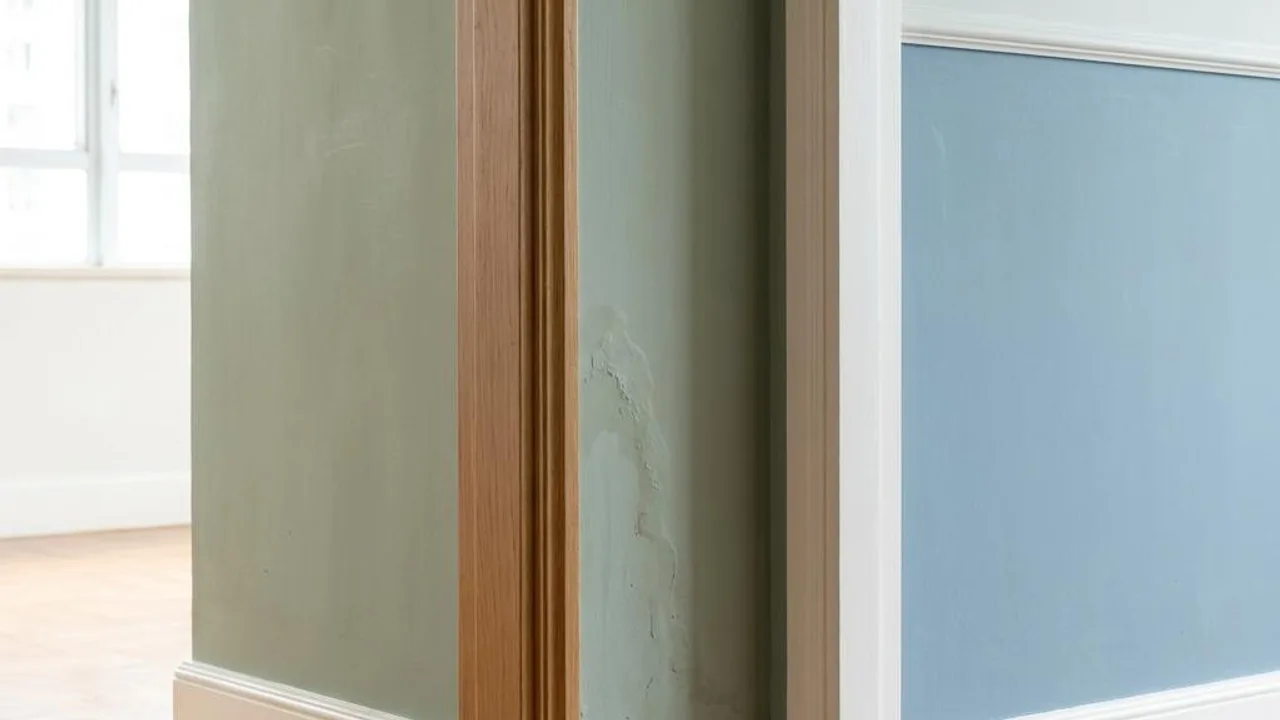
When performing unit inspections, owners should pay attention to subtle changes in walls and ceilings. For example, if irregular bubbles appear in wallpaper or wall plaster is peeling, it may be a long-term effect caused by internal water seepage. Recording these signs helps in requesting experts to conduct targeted instrument testing later.
Inspection of the electrical supply system should not be taken lightly. Besides testing switches, pay attention to whether sockets are loose or if there is a smell of overheating. Owners should confirm whether labels for each circuit in the consumer unit are clear; if obvious exposed wires or repair marks are found, request detailed explanations for their causes and processing records.
- Recording signs of wall water seepage such as stains and mould
- Checking consumer unit labels and wire connection conditions
- Noting the sealing of joints between door frames and flooring
- Testing the flow and water trap performance of drainage pipes
Key points for choosing a professional property inspection service
Hiring professional property inspection services can provide more objective technical analysis. In the selection process, consider the inspector's practical experience, industry reputation, and the clarity of the reports provided. Excellent inspectors not only identify defects but also provide objective on-site advice, helping owners grasp the true condition of the property.
Good service should include a detailed written report listing the details found and answering owner questions about the report's content. When inspecting, focus on whether the professional team has a clear service process, rather than simply pursuing the lowest price; quality and professional standards are always the core of inspection value.
- Consult the service scope to confirm covered items
- Refer to past customer reviews and professional reputation
- Ensure the report format is comprehensive and has archival value
- Confirm the property inspector has the ability to communicate and explain the report
Result analysis and follow-up action strategies
If issues involve significant structural or safety risks, it is recommended to seek an evaluation from a professionally qualified person. Owners can use the report findings to assess whether to require the seller to complete repairs before the transaction is completed, or to factor expected repair costs into the bargaining process.
When handling repairs, it is recommended to maintain good documentation. When communicating with the seller or agent, the property inspection report should be used as a reference basis to propose repair requirements for specific defects, ensuring all communication is traceable to avoid cognitive gaps between parties.
- Read the report content thoroughly and confirm any doubts with the property inspector
- Estimate the approximate labour and material costs for repair items
- Discuss follow-up plans with legal or estate agents
- Properly store the inspection report for use during handover
FAQs
If cracks are found in the walls during the property inspection, does this mean there is a structural problem?
The causes of wall cracks are complex and do not necessarily equate directly to structural defects. Owners should record the length, width and location of the cracks and invite a professional to evaluate them, as they could be superficial cracks caused by building settlement or ageing plaster.
Can the property inspection report be used as a legal basis for repair claims?
The property inspection report records the current state of the property and can be used as a technical reference for communication and bargaining between buyer and seller, but its legal validity depends on the terms of the sales and purchase agreement. Specific compensation or repair responsibilities should be discussed with legal professionals.
Can I perform a simple waterproof test myself during the property inspection?
Owners can observe whether there are signs of water stains or seepage around drainage points in the bathroom or kitchen, but should avoid using large amounts of ponding tests to prevent damage to neighbouring units or triggering legal disputes; targeted leakage tests should be entrusted to professionals.


