
Core Objectives and Scope of Property Inspection
Property inspection is not just about verifying the handover status; more importantly, it assesses the unit for structural deficiencies, defects in concealed facilities, and maintenance hazards. Through systematic professional assessment, owners can discover quality issues affecting living standards early and promptly request relevant parties to follow up.
The core value of property inspection services lies in providing an objective record of the onsite condition, assisting owners in clarifying rights and responsibilities before accepting the property. Through a professional inspection, owners can obtain a list to ensure there is a basis for subsequent defect rectification, avoiding disputes when issues are discovered later.
- Confirming the fundamental structural safety of the building
- Checking the operational performance of various indoor equipment
- Identifying potential water leakage and damage hazards
- Assessing the overall construction craftsmanship of the property
External Structure and Facade Observation
The focus of external structural inspection is on the integrity of the building envelope. Owners should pay attention to window sills, balconies, and connections to the exterior wall to check for abnormal cracks, signs of water seepage, or spalling of finishes. These problems can lead to long-term leakage, damaging indoor decorations and furniture.
The condition of the waterproofing layer on roofs or balconies is extremely critical. It is recommended to check whether drainage outlets are blocked and if decorative tiles are hollow. Please note that visual observation cannot replace a professional water pressure test. If there are serious concerns about water leakage, consider arranging an additional high-pressure water jet test.
- Window frame sealing and smoothness of operation
- Investigation of cracks on external walls and joints
- Efficiency of the balcony floor drainage system
- Visual abnormality inspection of the anti-leakage system
Indoor Electrical and Plumbing Facilities
Indoor equipment forms the basis of daily life. Regarding plumbing, focus on observing whether there are leaks at drainage points in kitchens and bathrooms, whether the drainage speed is satisfactory, and confirm that valves operate normally. For the electrical system, it is necessary to check that all fixed sockets, lighting circuits, and electrical installations are operating correctly.
Please remember that all fixed electrical equipment not powered by sockets, such as electric water heaters or ceiling lights, must be handled by a registered electrical contractor. If you observe exposed wires, charred marks, or unusual smells, do not handle them yourself; you should entrust a qualified electrician to perform an inspection and obtain a certificate of completion.
- Flow testing for faucets and drainage points
- Waterproofing test for kitchen/bathroom walls and floors
- Electrical performance of fixed sockets and switches
- Signs of charring or deformation in electrical installations
Environmental Factors and Indoor Conditions
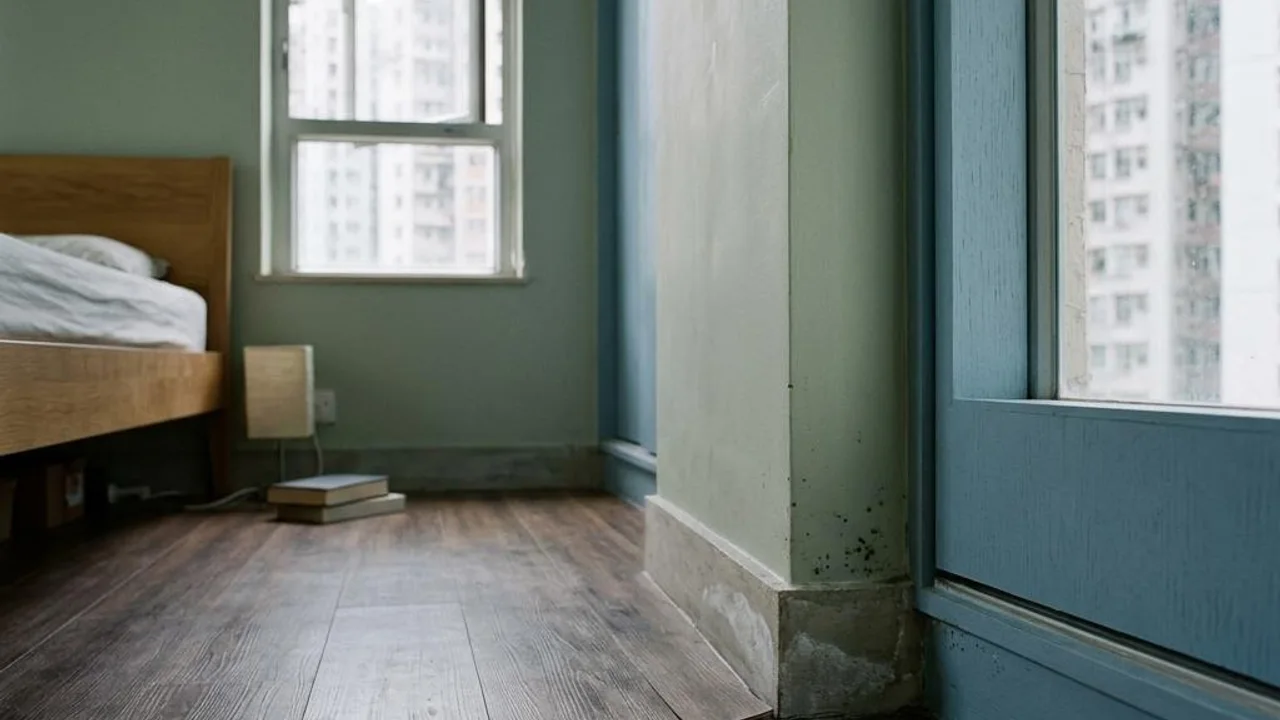
Indoor environmental quality has a profound impact on living comfort. Observe whether there is a distinct musty smell or dampness inside the unit, which is usually related to the operation of ventilation and air-conditioning systems. In Hong Kong's humid climate, ensuring indoor humidity is maintained at an appropriate level is crucial for inhibiting mould growth.
During property inspection, one should also pay attention to the condition of the surrounding building infrastructure, such as air-conditioner dripping problems or the operation of the ventilation system. If unusual mould stains are found on the walls, the location should be recorded and assessed to see if there is a source of seepage, which is crucial for subsequent home maintenance.
- Indoor air circulation and odour inspection
- Investigation of wall mould stains and peeling wallpaper
- Environmental assessment of air-conditioner operation
- Preliminary performance testing of the ventilation system
The Execution Workflow of Professional Property Inspection
Hiring a professional team for property inspection is key to obtaining accurate data and technical advice. Experienced inspectors can more keenly detect subtle defects ignored by the average person, such as hairline cracks in walls or potential installation flaws in equipment, which are common areas for frequent repairs later.
During the inspection, professionals will use equipment to check the structure and equipment, and record all discovered abnormalities in writing and photos to assist the owner in creating a defect rectification list, serving as strong evidence for communication with property management or contractors.
- Appointing a professional inspector for on-site assessment
- Providing comprehensive operational testing for equipment
- Technical analysis of potential maintenance requirements
- Rigorous recording of interior and exterior defects
Property Inspection Reports and Follow-up Arrangements
The property inspection report is an important record during the handover process. Owners should carefully read every description of defects in the report. If major structural or seepage issues are found, they should contact relevant personnel promptly for follow-up and confirm the arrangements for reinspection after defect rectification.
For special services that can be added, such as a professional high-pressure water jet test, owners can discuss the necessity with the inspector based on the specific condition of the unit to ensure that major hidden water leakage concerns are eliminated before renovation.
- Verifying the checklist and subsequent defect rectification list
- If a reinspection is required, follow-up appointments can be made
- High-pressure water jet testing service available for addition
FAQs
If hollow tiles/plaster are found on the wall during handover, is it mandatory to request immediate repair?
Hollow walls may lead to spalling of finishes. It is recommended that the inspection personnel first assess the scope and extent of the affected area, then communicate with the property management office or contractor to arrange proper subsequent repairs according to contract terms and engineering standards.
Can a professional inspector certify that the unit has no risk of water leakage?
Visual inspection can identify signs of surface seepage, but it is not a waterproof guarantee, nor can it predict future seepage risks. If you need to assess the waterproofing condition, you should consult a professional to evaluate whether procedures such as water pressure testing or infrared thermography are needed, rather than assuming a general inspection covers the performance or lifespan of concealed waterproof layers.
If circuit problems are discovered after the property inspection, can the owner replace the sockets themselves?
Absolutely not. Repairs involving electrical systems are subject to statutory regulation and must be carried out by a registered electrical contractor. After discovering a problem, the owner should record it accurately and request the developer to assign qualified personnel to perform inspection and repairs.


