
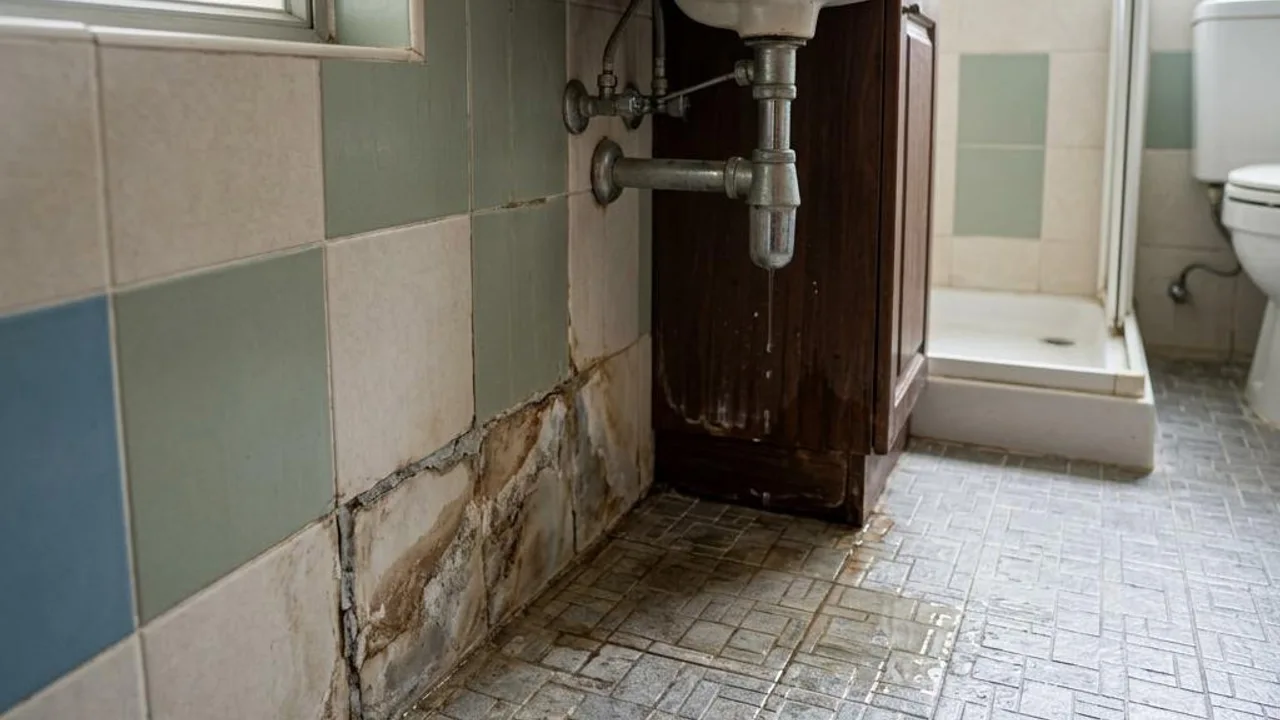
The importance of bathroom inspection
As the area of the home where water and electricity are most frequently intertwined, the bathroom’s waterproofing and anti-leakage performance directly impact the property's long-term condition. Once the waterproofing layer fails or pipe connections are poor, the resulting leakage is often extremely difficult to address and may affect downstairs neighbors, leading to heavy repair costs and legal disputes. Owners should treat this as a core part of the property inspection process to identify defects early.
Professional bathroom inspection is conducted to identify hidden defects before move-in. The focus should not be limited to appearance, but also include plumbing seal integrity, drainage efficiency, and the safety of electrical connections. These details are crucial for maintaining a hygienic and comfortable living environment, effectively preventing long-term problems such as mold growth, damage to wall finishes, and premature aging of facilities caused by poor construction.
- Prevent long-term leakage caused by waterproofing defects from affecting the building structure
- Ensure the operational safety of bathroom electrical facilities in a humid environment
- Reduce future frequent repair expenses and the risk of neighbor disputes
Wall and floor tile inspection
The installation quality of bathroom tiles directly affects the integrity of the waterproofing layer. Owners can observe whether the tile surface has cracks, chipped edges, or obvious color differences, and ensure that edges are aligned neatly. If tiles appear noticeably uneven or edges are lifting, this may suggest insufficient mortar filling underneath or damage to the waterproof protection layer; these locations should be recorded for further testing.
Grout is key to preventing moisture from seeping into walls. When checking, ensure the grout is evenly filled in all gaps and look for any shedding or voids. If grouting is incomplete, moisture can easily accumulate behind the tiles through the gaps, which may lead to tile hollows or even detachment over time. You must request that the relevant personnel perform a professional assessment regarding the risk of leakage.
- Detect whether tile installation shows signs of hollows or looseness
- Check if waterproof grout completely covers all gaps
- Observe if the waterproof sealant at wall corners shows signs of peeling or unsealed areas
Water supply system and drainage performance
Plumbing inspections include water supply and drainage efficiency for washbasins, showerheads, and toilets. During inspection, turn faucets on and off multiple times, observe pipe connections for leaks, and ensure stable water flow without abnormal pressure fluctuations. Regarding drainage, observe if water drains quickly and check if there is appropriate waterproofing around the floor drain to prevent accumulated water from seeping into the structure through the floor edges.
The stability of the toilet installation is also a key inspection point. Confirm that the base screws are tightened and the sealant is intact to prevent displacement or leakage during use. If poor drainage or signs of water seepage at the toilet base are observed, immediately commission professional technicians to perform pressure tests or structural investigations; do not ignore such hazards.
- Test water pressure and the smoothness of operation for faucets and showerheads
- Confirm the toilet is installed firmly with no signs of base leakage
- Observe floor drainage speed and the condition of the drain’s waterproof seal
Electrical safety and moisture management
Bathroom electrical appliances require appropriate moisture-proof performance. When checking bathroom switches and sockets, note whether the waterproof covers operate correctly and confirm that all sockets are at a dry and safe distance from water sources. If the edge of a socket shows discoloration, charring, or abnormal heat, this is a signal of circuit overload or moisture exposure, and a registered electrical contractor must be commissioned immediately to check the wiring connections.
Electrical safety inspection also includes verifying the supply circuit within the bathroom. Ensure that all lighting and heating facilities are properly grounded. If you have doubts about the safety of the circuit, owners should not dismantle or replace any electrical components themselves; use formal procedures to request that the supplier arrange for licensed professionals to provide testing and documentation.
- Check the performance of moisture-proof covers on bathroom electrical switches and sockets
- Verify the safe distance between electrical equipment and water sources
- Confirm whether all wall sockets show signs of moisture or abnormal discoloration
Ventilation systems and ancillary facilities
Good ventilation is key to maintaining bathroom air quality and the longevity of facilities. When checking exhaust fans, test their noise level and ventilation efficiency during operation. If ventilation is insufficient, the bathroom remains in a state of high humidity for long periods, which not only breeds mold but also severely damages the materials of vanity units and wooden door frames; ensure the ventilation device runs smoothly.
The sealing performance of doors and windows is equally important. When checking, pay attention to the waterproofing at the bottom of the door frame and whether windows fit tightly when closed. If handles or anti-slip facilities are installed, a structural check should also be performed to ensure they are firmly installed and provide sufficient support during use, ensuring the safety of family members.
- Test exhaust fan ventilation efficiency and operating noise levels
- Verify the waterproof treatment at the base of the bathroom door frame and its moisture-proof status
- Check the installation security and structural support of safety grab bars
FAQs
How should one handle it if hollow sounds are detected in bathroom wall tiles during inspection?
If a hollow sound is heard when tapping tiles, it means the tiles are not firmly bonded to the base. It is recommended to record the location of such tiles, list them in writing, and request the relevant contractor to assess the risk of detachment and arrange for professionals to perform appropriate repairs to ensure wall structure stability.
Are electrical sockets in the bathroom considered non-compliant if they are near a water source?
Bathroom sockets must meet safety distance regulations and possess moisture-proof functions. If sockets are found to be too close to the shower area or faucet, it is recommended to commission a registered electrical contractor to confirm if the layout complies with current electrical engineering standards and ask if additional appropriate waterproof protection is required.
Does slow floor drainage in the bathroom indicate a clogged pipe?
Slow drainage can be caused by various reasons, including construction debris left in the pipe or issues with the drain design. Owners should monitor the drainage; if multiple tests show no improvement, please commission a licensed plumber to check for foreign objects in the pipe. Do not attempt to use strong chemical drain openers to avoid damaging the pipe seals.


