
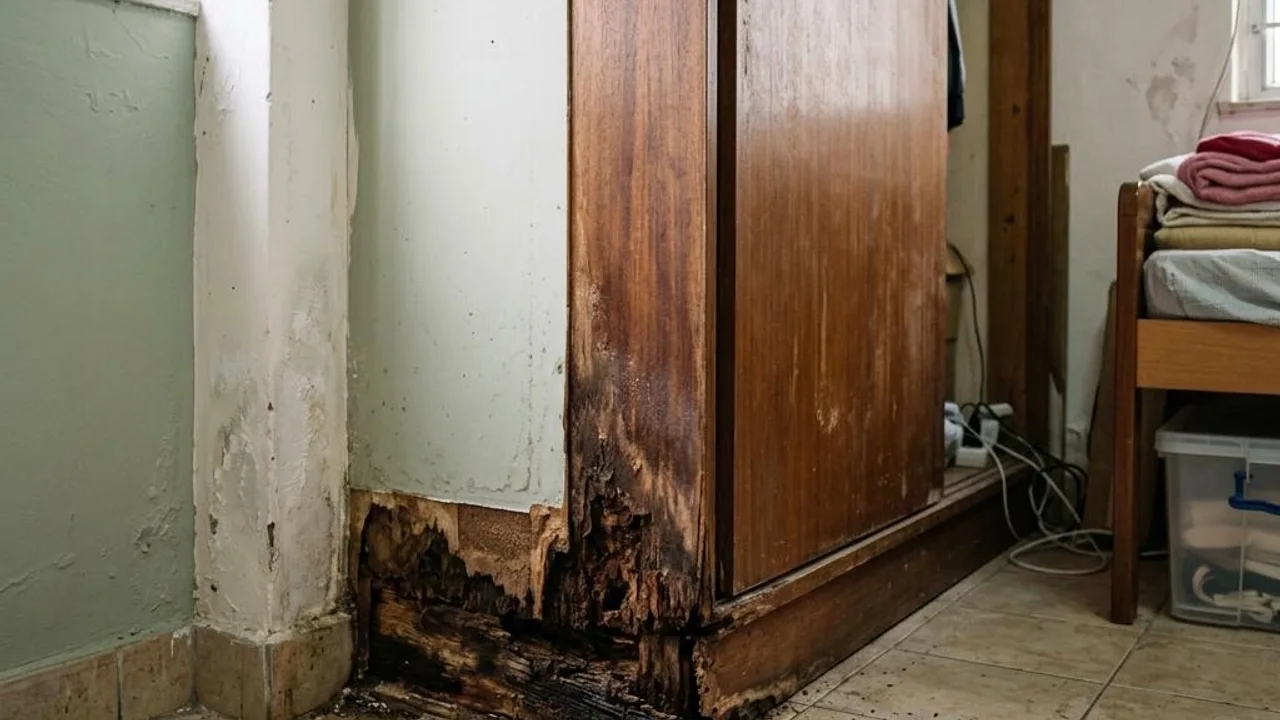
Causes and principles of wood decay in the home
The core cause of wood decay is long-term exposure to high-humidity environments and the activity of microorganisms (fungi). When the moisture content of indoor wooden structures or decorative materials is too high, wood-decay fungi break down the cellulose and lignin in the wood cell walls, causing the structural strength of the wood to rapidly deteriorate, becoming soft and brittle. This process often begins in hidden areas; if not detected in time, the physical properties of the wood will undergo irreversible changes.
The decay resistance of wood varies by species; for example, mahogany and oak usually have stronger resistance, while some softwoods are more susceptible. Beyond the type of wood, preservative treatments before installation and the ventilation conditions of the environment are the key factors determining its lifespan. Moisture is the only core catalyst for the worsening of decay. If the home environment cannot remain dry for a long period, the protective layer of the wood will also gradually fail over time.
- Long-term leakage or high environmental humidity causing microorganism growth
- Insufficient natural resistance of wood species
- Lack of effective protective anti-corrosion coating
- Poor ventilation causing water vapor to accumulate on the wood surface
- Leakage at structural contact points not dealt with in a timely manner
The negative impact of wood decay on the home
The most intuitive impact of decayed wood is damage to its appearance, including discoloration, blackening, and the production of a musty odor. Such odors often indicate the accumulation of moisture in the environment; although not a diagnostic tool for health, they are an important warning for repair and cleaning, reminding owners to manage indoor air quality. Once blackening is found on skirting boards or wooden flooring, it often means that the interior has been in a damp state for a long time.
A more serious impact is the loss of structural support. Decayed wooden beams or skirting boards may be unable to bear their original load, thus triggering safety hazards. In addition, damp, rotting wood will attract pests such as termites or wood-boring insects, worsening the degree of wood loss, forming chain damage that is difficult to repair, and posing a huge threat to the overall life of the home renovation.
- Decline in wood structural strength, posing a risk of breakage
- Obvious discoloration or abnormal bulging of the finish
- Musty odors affecting the quality of the indoor environment
- Becoming a nesting source for pests like termites
- Long-term water accumulation and leakage affecting renovation aesthetics and durability
Common inspection methods for interior wood
When observing the condition of wood in the home, owners can combine visual inspection with physical contact to make a preliminary judgment. Visually, focus on observing whether there are signs of discoloration, swelling, or fungal growth on the surface; physically, by light pressing or observing whether there are abnormal gaps at the installation joints, identify whether the wood has already developed structural looseness. If there are unexplained water stains or a feeling of softness on the wood surface, it requires high attention.
Please note that all advanced observations should be entrusted to professionals. Owners should not forcefully pierce load-bearing wooden structures with sharp tools to test their firmness. The purpose of a professional property inspection is to identify risks. We suggest that owners, upon discovering suspicious conditions, engage professionals to conduct a deeper structural assessment and prioritize troubleshooting water leakage to ensure that the wood can remain stable under suitable environmental conditions.
- Check the wood surface for color changes and signs of mold
- Observe if there are abnormal gaps at the installation location
- Assess whether the texture has softened or if there is peeling
- Assess the moisture content of the wood surface, looking for potential water seepage points
- Examine the junction of the wood and the wall for signs of water stains
Prevention and management strategies for wood decay
The primary task for preventing wood decay is moisture control. A good indoor ventilation system and appropriate temperature regulation (maintaining humidity below 70%) are the best strategies to prevent fungal growth. Before installation, select wood that has undergone professional preservative treatment, and choose more decay-resistant materials in damp areas (such as kitchens and bathrooms) to effectively extend the lifespan of the wood and reduce maintenance costs caused by dampness.
For areas where decay has already occurred, the recommended response is: first remove the contaminated area, ensure it is dry, and then repair or replace it based on the depth of the wood damage. Never attempt to cover up the problem with chemical applications; complete replacement and treatment of the water source is the only solution. If large-scale damage to wooden structures is discovered, contact personnel with professional renovation knowledge for an assessment to avoid worsening the damage due to improper DIY repairs.
- Ensure indoor humidity is controlled below 70%
- Use high-quality materials that have been treated with preservatives
- Regularly clean and check wood finishes for water stains
- Keep the interior ventilated to disperse water vapor
- Handle signs of decay immediately; do not delay
The importance of maintaining wooden structures
Timely maintenance of wooden structures is crucial for preserving the value of the home. Regular inspection of the integrity of wooden structures can effectively prevent minor leakage problems from evolving into serious structural rot, thereby reducing expensive repair expenses in the future. Through precise defect assessment, owners can clearly understand high-risk locations in the home environment and take targeted maintenance measures based on professional advice.
Professional inspection is not just about discovering problems, but also providing a systematic maintenance direction. By identifying hidden leakage points or dead corners in ventilation, owners can intervene before problems occur. Maintaining home wood is a long-term process; good observation habits combined with professional inspection assessments are the cornerstone of ensuring the long-term safety and beauty of indoor wooden structures.
- Professionally inspect the integrity of wooden structures
- Detect leakage hazards early to reduce future repair expenses
- Provide precise defect assessment analysis
- Provide regular maintenance suggestions for high-risk locations
- Identify the impact of environmental humidity through professional technology
FAQs
If black spots appear on wooden flooring, does it definitely mean wood decay?
Black spots on wooden flooring are usually a sign of moisture accumulation, but they do not necessarily mean that the wood has undergone deep decay. The black spots may be surface mold growth, reflecting that the local environmental humidity is too high. A professional inspection is needed to assess the source of water seepage and whether the internal fiber structure of the wood is damaged.
At what level does indoor humidity need to be maintained long-term to prevent wood decay?
To effectively prevent the growth of wood-decay fungi, it is recommended that indoor relative humidity be maintained below 70%. If the living environment exceeds this standard for a long period, ventilation should be strengthened or the use of dehumidification equipment considered, and the joints of wooden structures should be regularly checked for signs of dampness.
If wooden furniture is discovered to have slightly softened due to dampness, can I repair it myself?
Slight softening may indicate that the interior of the wood has begun to degrade. Owners should first troubleshoot the nearby area for water leakage sources and thoroughly dry the damp area. If the wood structure is significantly damaged, it is recommended to seek a professional woodcraftsman to assess whether replacement is necessary. Do not attempt to cover up with surface repairs without addressing the water leakage.


