
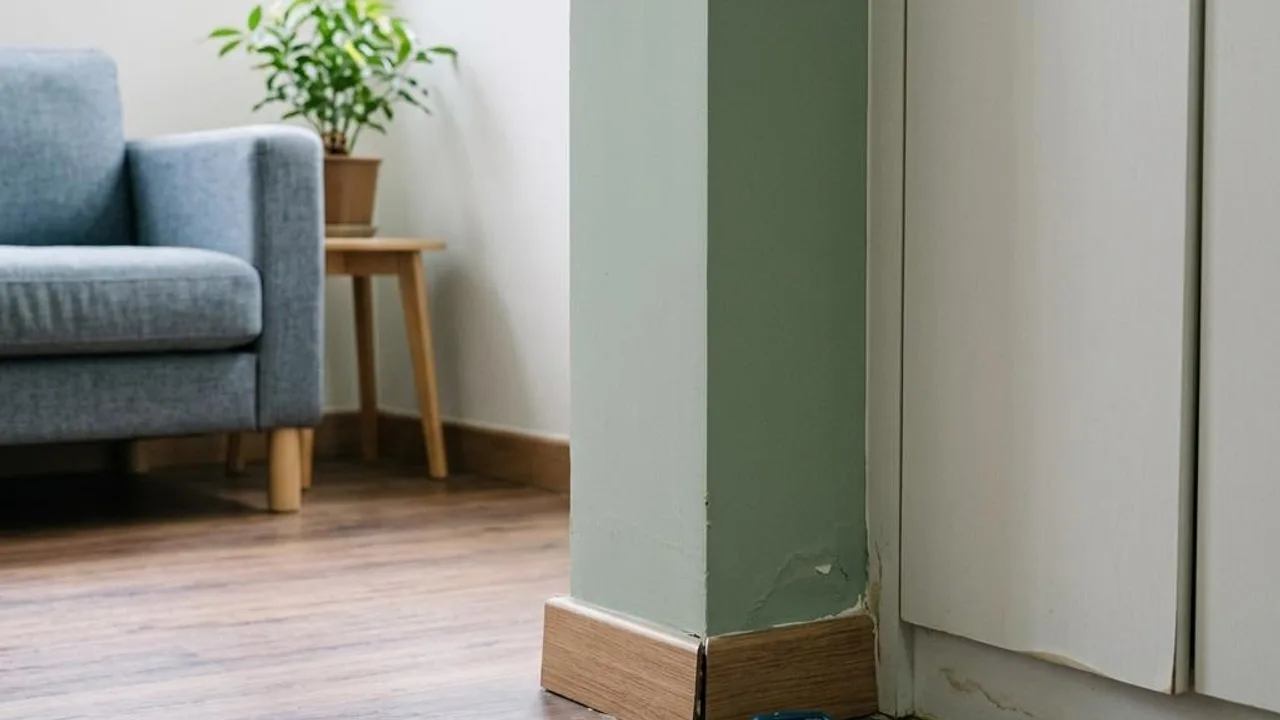
The importance of property inspections and owner protection
New property handover is a critical moment for confirming property quality. Through a comprehensive property inspection process, owners can discover wall cracks, water seepage, electrical hazards, and construction defects early. If these details are ignored during the initial handover, one might have to bear high repair costs later, which could even affect the safety and comfort of daily life.
A property inspection is not just about verifying the handover state, but about confirming whether the property meets the quality standards of the purchase contract. Identifying defects early and requesting the developer to fix them can safeguard the long-term value of the property. Owners should view the property inspection as an indispensable protective task in the home-buying process, acting as a strict gatekeeper for moving into their new home.
- Ensure all indoor and outdoor supporting facilities are functioning correctly.
- During the property handover process, owners should record the condition of the unit through daily observations. Please note that such inspections cannot prove the absolute safety of the structure, electrical, and gas systems, nor can they guarantee compliance with regulations, confirm the condition of concealed pipes, the thickness of waterproof layers, or the remaining lifespan of equipment. Thermal imaging technology only displays surface temperature distribution and cannot directly determine the cause of water leakage or hidden structural issues. Mandatory window inspection is an independent regulatory procedure that must be conducted by a qualified person registered with the Buildings Department and does not fall within the scope of a general inspection. If you discover issues involving professional technical matters, please consult a qualified professional. Do not perform electrical tests, dismantle fixtures, adjust water pressure valves, or climb exterior walls yourself to avoid accidents. Inspection results only reflect observed surface conditions and do not represent any guarantee regarding the unit's safety.
- Protect the owner's legal repair rights during the warranty period.
- Reduce financial losses caused by construction defects after moving in.
Systematic property inspection execution flow
The property inspection process should be systematic. It is recommended that owners study relevant precautions and clarify inspection priorities before the scheduled inspection date. During the on-site property inspection, you should proceed area by area to ensure all indoor and outdoor details are covered, record discovered issues promptly, and take photos or videos as documentation for communication.
After completing the preliminary inspection, owners should consolidate all identified issues and prioritize them. This facilitates clear explanation of each defect when providing feedback to the developer later, ensuring that the developer can arrange for repair personnel to follow up on rectification more efficiently.
- Preparation Phase: Organize the property inspection checklist and tools.
- Inspection Phase: On-site inspection of indoor and outdoor areas and recording of defects.
- Feedback Phase: Submit the report to the developer and discuss rectification plans.
- Reinspection Phase: Confirm the completion of rectification and sign relevant documents.
Key inspection scopes and observation indicators
Regarding indoor inspection, the focus is on walls, ceilings, floors, and doors and windows. You must observe whether paint finishes are smooth and uniform and check if doors and windows open and close smoothly. Kitchen and bathroom facilities are high-risk areas for water leakage; it is essential to verify if faucets are leaking, if drainage is clear, and ensure sanitary ware is firmly installed without looseness.
Regarding electrical aspects, users should pay attention to whether sockets are damaged, charred, or have an unusual smell. Remember not to touch electrical appliances in humid environments and ensure that high-power appliances have dedicated sockets. All fixed electrical appliances not powered by sockets, such as water heaters or ceiling lights, must be handled by a Registered Electrical Contractor and accompanied by a WR1 certificate.
- Walls and Ceilings: Check for obvious cracks or defects in the paint finish.
- Kitchen and Bathroom Anti-Seepage: Check the status of faucets and floor drain drainage.
- Electrical Installations: Check the appearance of sockets and for any electrical odors.
- Door and Window Operation: Check the seal of window frames and the smoothness of operation.
Essential basic property inspection tools
Carrying the right tools when performing a DIY property inspection can improve efficiency. Basic requirements include a spirit level to detect the levelness of floors and cabinets; a ruler is used to confirm space specifications. Furthermore, a flashlight is crucial when checking dark corners, bottom areas, or wall corners, as it helps observe minor flaws or unevenness in walls.
Other commonly used auxiliary tools, such as a socket tester, can assist in preliminary circuit continuity testing. A tapping rod is commonly used to tap walls or floor tiles to evaluate if there are hollow areas. Please remember to prepare a pen and paper or a mobile device to record the location of defects at any time, avoiding the loss of the best opportunity for repair due to forgetfulness.
- Spirit Level: Detect verticality and horizontal planes.
- Flashlight: Illuminate and check dark corners and wall defects.
- Socket Tester: Test the conductivity status of electrical sockets.
- Notebook and Camera: Record and document all defects.
Communication and warranty follow-up with the developer
When defects are found during the property inspection, remaining calm and communicating clearly is critical. Owners should put the list of issues in writing and attach location maps or records of specific defects, avoiding vague descriptions. Request a clear repair schedule from the developer and keep all communication records for future reference.
After repairs are completed, owners should arrange a reinspection to ensure all previously recorded issues have been resolved. Before signing any acceptance documents, be sure to confirm that the repair results meet standards. If issues persist after rectification, you should continue to reflect this to the developer to ensure your rights during the warranty period are fully protected.
- Record the issue list in writing as proof.
- Require the developer to provide a maintenance plan and deadline.
- Be sure to conduct a reinspection after repairs and confirm warranty terms.
FAQs
How should I handle hollow areas found on walls during a property inspection?
Owners should first use a tapping tool to mark the range of the hollow area, take photos as evidence, and record the location on the list. Subsequently, submit the information to the developer, requiring them to repair or replace the finish according to standards, and keep the repair records for future verification.
If the socket tester shows unstable power, can the owner open the socket to check it themselves?
No. Owners must never dismantle electrical circuits themselves, as this involves safety risks. If you suspect an issue with the circuit, you should immediately contact the property management office or the developer and request that a registered electrical worker be arranged for testing and repair.
If the developer refuses to repair the defects raised in the property inspection report, how should the owner respond?
Owners should review the quality terms in the property purchase agreement again and formally list the relevant issues to the developer in writing. If communication is ineffective, you may consult a professional consultant or seek legal advice, while ensuring that all property inspection records and communication exchanges are properly archived for backup.


