
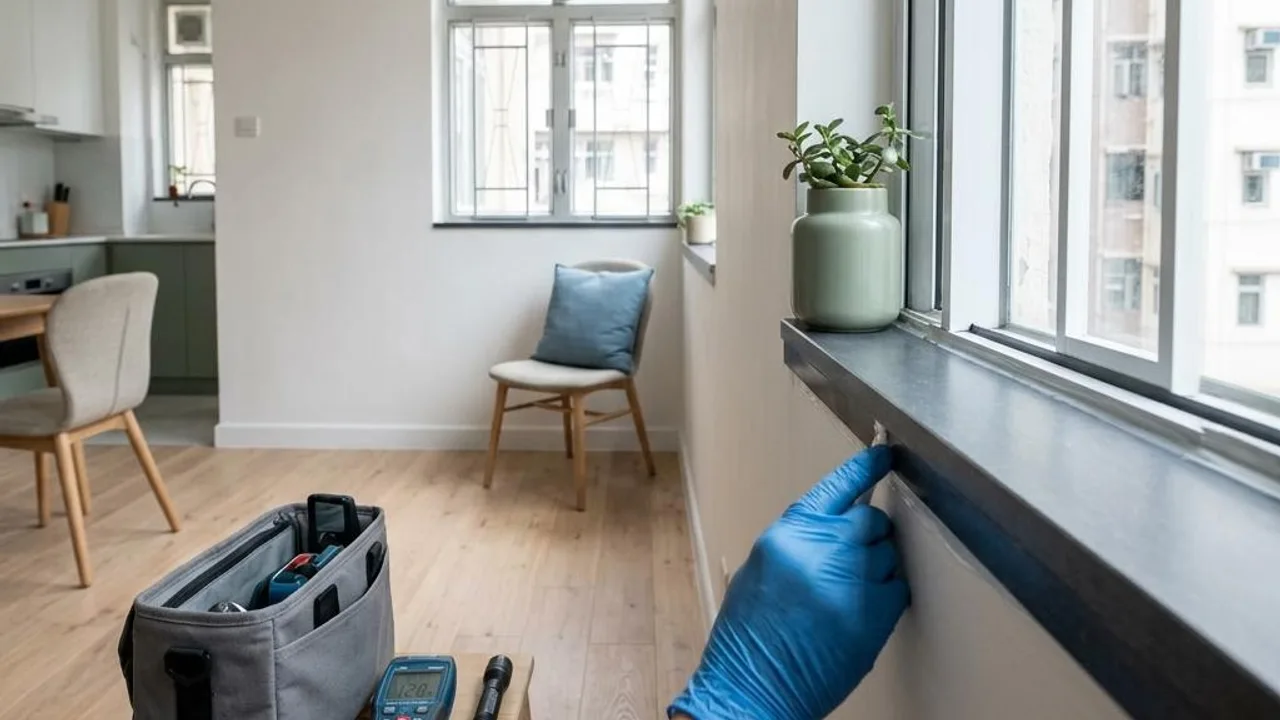
The critical importance of choosing property inspection services
A new property inspection is the final line of defence for owners before taking possession. The role of a property inspector is to use professional techniques and extensive experience to identify hidden structural or functional defects. A qualified property inspection should provide owners with an impartial and objective report, ensuring that the property's quality meets the contract terms and reducing future maintenance disputes.
Property inspection services in the market vary in quality. When choosing, owners should not focus solely on price but must assess the inspector's professional judgment regarding building structures, electrical systems, and drainage systems. A high-quality property inspection service provides more than just a surface-level assessment; it offers reasonable follow-up solutions, giving owners greater peace of mind when taking over the property.
- Verify whether the property inspector has a professional background and qualifications
- Assess whether the service process covers all key inspection areas
- Check if the inspection report content is detailed and provides valuable references
- Reference past client reviews and reputation
Professional certification and qualification vetting
A property inspection service worth recommending must possess relevant professional certifications and qualifications; this is not only proof of professionalism but also a basic commitment to service quality. Experts in this field typically have professional backgrounds in architecture, engineering, or related fields, and are familiar with the statutory requirements and industry standards for building inspection in Hong Kong.
When selecting a service, it is recommended to understand the background of the property inspection team. For example, whether they have undergone systematic building inspection training or possess relevant engineering qualifications. These professional certifications ensure that property inspectors can approach the task from a structural and mechanical/electrical perspective, identifying potential safety hazards that would be difficult for non-professionals to discover.
- Does the property inspector have a professional background in architecture or engineering?
- Do they continuously participate in industry professional knowledge training?
- Do they have an in-depth understanding of Hong Kong building structures and regulations?
- Does the organisation have clear service standard certifications?
Practical experience and professional expertise levels
Property inspection requires not only theory but also rich practical experience. An excellent property inspector should have accumulated hundreds of property inspection experiences, becoming familiar with common defects in various building structures, electrical configurations, and drainage systems. This sensitivity helps them quickly detect subtle issues like cracks, dampness, and mould when taking possession.
The application of professional knowledge is reflected in how the severity of issues is explained. For instance, when facing wall cracks, an experienced expert can distinguish between a surface plastering issue and potential structural deformation, providing more targeted repair advice. For electrical systems, they should understand correct load distribution to ensure household electricity safety.
- Possess experience in handling different types of residential properties and building ages
- Ability to accurately identify common building defects such as cracks and water seepage
- Familiar with inspection requirements for electrical and drainage system operations
- Provide constructive repair strategies rather than just pointing out problems
Professional depth of inspection reports
An ideal report structure should be logical and clear, allowing owners to quickly grasp the overall condition of the home. If complex issues involving electrical installations or water seepage are discovered during the property inspection, the report must clearly advise owners to hire relevant registered contractors or registered electrical contractors for repairs, rather than attempting to handle it themselves.
A property inspection report should have a continuous tracking function, clearly listing the severity and priority order of each issue. For owners, this report is not only a bargaining chip when taking possession but also core evidence when explaining current conditions to relevant licensed professionals if repair works are needed in the future.
- Detailed list of all defects discovered during the inspection
- Analyse the severity of issues and suggest handling solutions
- Ensure the report content is clear and provides operational guidance
- Strictly record and guide owners to follow up on subsequent works
Customer service and communication efficiency
High-quality property inspection service is also reflected in customer communication. Service providers should respond to queries in a timely manner and provide clear guidance before and after the property inspection. For many first-time buyers, the inspection process might be unfamiliar, and the patient explanation of a professional team can significantly reduce the anxiety of taking possession.
Good communication also includes immediate feedback on the situation at the property inspection site. Professional property inspectors will explain potential risks to the owner during the process, assist the owner in determining which issues fall under the developer's maintenance scope, and explain relevant building norms, allowing owners to maintain the initiative.
- Smooth consultation channels and rapid response
- Property inspector can explain issues discovered during the inspection to the owner
- Provide convenient appointment and quote enquiry services
Reputation and customer satisfaction
Good reviews and reputation are the touchstone for verifying service quality. Through online reviews or experience sharing from past clients, you can more authentically understand the work attitude and professional performance of the property inspection team. An impartial and strict property inspection process usually receives long-term positive feedback from owners.
When choosing, apart from focusing on positive reviews, also note the service provider's attitude towards handling client questions. A professional property inspection team will not exaggerate issues, nor will they hide risks, but instead insist on facts and professional data. This objective and impartial attitude is the cornerstone of building industry reputation.
- Reference past client evaluations on inspection detail
- Note the service provider's reputation and performance in the industry
- Evaluate the usefulness of their reports for practical issue follow-up
- Observe whether they possess a long-term professional service record
FAQs
Wall cracks discovered during property inspection, how should I handle them?
The property inspector will evaluate the width, depth, and distribution location of the cracks. If structural safety is suspected, the owner should request the property inspector to record this in the report and suggest hiring a registered engineer or professional for an in-depth assessment; do not fill or conduct structural repairs without authorisation.
The property inspection report indicates issues with the electrical system, can I repair it myself?
Absolutely not. Inspections and repairs involving electrical systems must be performed by registered electrical contractors and registered electrical workers. Owners should contact relevant licensed professionals to handle this according to the professional instructions in the property inspection report to ensure compliance with safety specifications.
Can property inspection services guarantee that a property has absolutely no hidden water seepage issues?
Property inspection is a professional examination of the current status. Although property inspectors will use appropriate equipment to assist observation, the causes of water seepage are complex and affected by various environmental factors. If suspicious points are found, the property inspector will advise the owner to raise them to the developer and have a professional conduct a more in-depth investigation.


