
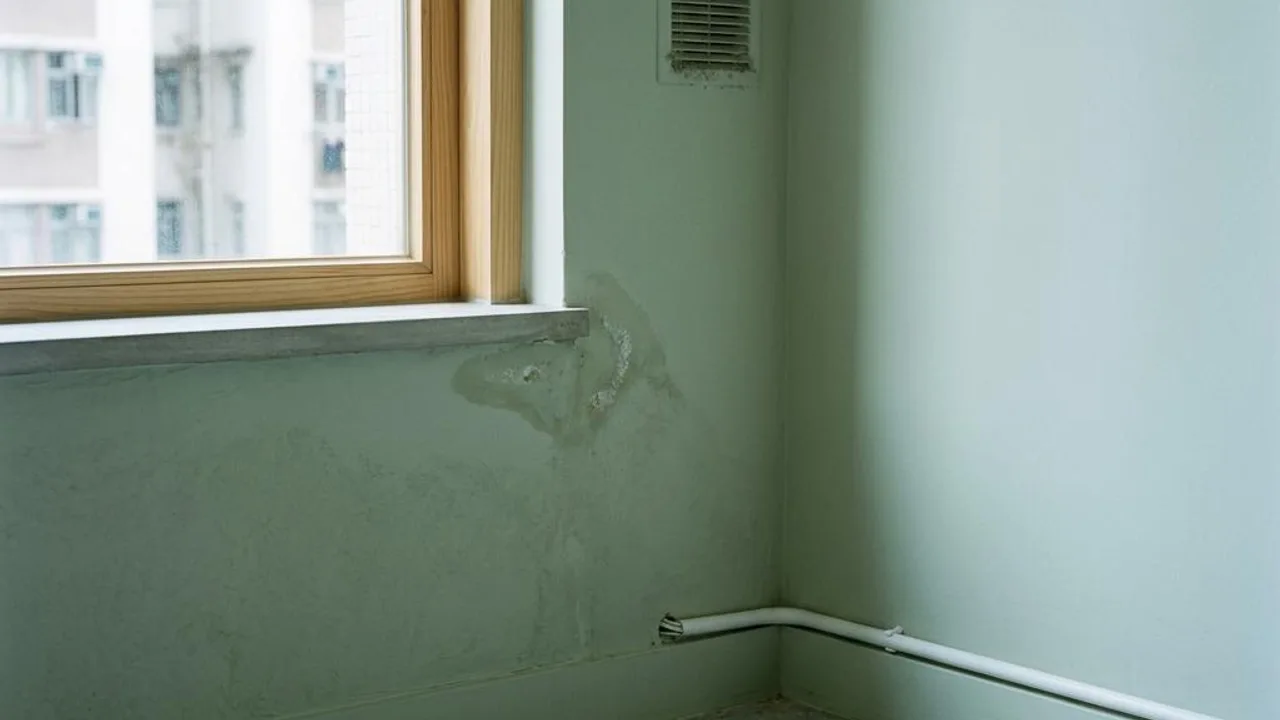
Professional qualification requirements for property inspectors in Hong Kong
Becoming a professional property inspector in Hong Kong requires a solid academic foundation in architecture, civil engineering, or related disciplines. A university degree is the basic entry threshold; possessing an advanced degree related to structural engineering or building surveying provides greater technical depth and professional advantage when analysing complex property conditions.
In addition to academic requirements, on-site experience is equally critical. The industry generally expects inspectors to have accumulated at least two years of on-site inspection experience, deeply mastering various building construction processes and defect types. Through continuous professional development and obtaining qualifications from professional institutions such as the Royal Institution of Chartered Surveyors (RICS), an inspector's practical judgement and credibility can be effectively enhanced.
- Possess a university degree in architecture, civil engineering, or related disciplines
- Accumulated at least two years or more of on-site property inspection and construction experience
- Familiar with Hong Kong building regulations and current construction technical standards
- Possess the ability to regularly participate in professional training and update industry knowledge
Main responsibilities and scope of work for property inspectors
The core responsibility of a property inspector is to objectively record the physical condition of a property through systematic inspection. This includes carefully checking building facilities such as the unit's structural elements, windows, water supply, drainage systems, and electrical connections to ensure that the relevant installations meet basic building standards.
Upon completing the inspection, the property inspector will compile a detailed report listing the details of the defects within the unit. This report is an important reference tool for communication between the owner and the developer regarding repairs, assisting owners to accurately reflect problems during the inspection period and safeguard their property interests.
- Visual inspection of property structure, walls, and floor slabs
- Assess the operational condition of water supply and drainage facilities
- Test electrical connections and socket operation
- Compile detected defects into a systematic report
The boundary between professional property inspection and legal safety regulations
Owners must be aware that general visual inspections cannot guarantee safety regarding structure, electricity, or gas, nor can they verify the thickness of waterproofing layers, the condition of hidden pipes, the remaining service life, or the effectiveness of repairs. Thermal imaging only shows surface temperature differences; it is not definitive evidence of moisture or the cause of leaks, and it cannot see through hidden structures. The Mandatory Window Inspection Scheme must be performed by a Qualified Person registered with the Buildings Department, which is a separate procedure and not within the scope of this property inspection service.
If structural cracks, window abnormalities, or other technical hazards are discovered, the property inspector will record the relevant phenomena and suggest that the owner refer them to a registered structural engineer or other qualified professionals for follow-up, rather than dismantling devices or performing electrical tests themselves. All inspection reports are records of on-site observations only, not any form of guarantee for structural safety.
Regarding electrical installations, the property inspector only tests the basic operation of existing circuits and sockets. Any work involving replacing wires, modifying circuits, or repairing fixed electrical installations must be carried out by a qualified Registered Electrical Contractor, and a WR1 certificate must be obtained upon completion of the work to comply with the Electricity Ordinance of the Electrical and Mechanical Services Department.
- Visual inspection results cannot be taken as a substitute for statutory structural safety or window inspection certificates
- Substantive modifications to electrical systems must be completed by a Registered Electrical Contractor
- Discovery of mould traces is an environmental observation, not a medical diagnosis
- All inspection work must comply with current guidelines from the Buildings Department and relevant departments
Handling common problems in property inspection
Facing potential leak hazards or construction defects within the unit, owners should remain rational and avoid dismantling fixed fixtures or conducting destructive tests themselves. The correct approach is to first record the affected locations with photos and videos, noting environmental characteristics when the problem occurs, such as during heavy rain or when neighbours are using water.
Owners can provide the recorded data to property inspection personnel with relevant backgrounds, asking them to assist in analysing possible causes, such as condensation, poor drainage pipe connections, or damage to exterior wall waterproofing layers. For serious defects, you should request follow-up from the developer or the Owners' Corporation and ensure all repair plans follow regular building safety standards.
- Take photos and video records of defects
- Maintain the original state of the affected area; do not dismantle or damage it yourself
- Organise background information when the problem occurs for expert analysis
- Engage professionals for investigation and require the developer to carry out repairs according to standards
Market demand and development of the property inspection industry
As property handover activities in Hong Kong are frequent and old district redevelopment projects increase, market demand for professional property inspection services continues to rise. Higher quality standard requirements in the property market have prompted owners to place greater importance on the inspection stage, which in turn has driven the professional development of the industry.
Talents in the industry serve not only individual owners but are also active in positions such as building audits in government departments, quality control in property developers, and maintenance assessment for property management companies. Those aspiring to enter this industry need to combine solid academic knowledge with rich on-site construction experience and continuously adapt to changing building standards and market environments.
- Serve in government departments to conduct building compliance audits
- Employed by large property developers in quality control positions
- Provide impartial third-party inspection services at independent property inspection professional organisations
- Assist property management companies in handling house maintenance and repair assessments
FAQs
Can a property inspector guarantee that an inspected unit is completely free of water leakage problems?
A property inspector's visual inspection can only provide opinions on the condition at the time of observation. It cannot guarantee the condition of the waterproofing layer inside the structure or predict future leakage risks, nor can it guarantee structural, electrical, or gas safety, repair effectiveness, or remaining service life. Thermal imaging cameras only show surface temperature distribution; they cannot be directly viewed as proof of the cause of a leak or the state of hidden structures, and the tool cannot guarantee the discovery of all hidden defects. Mandatory window inspection is an independent statutory procedure that must be carried out by a Qualified Person registered with the Buildings Department and is not part of a general inspection scope. For professional technical matters, you should consult qualified persons and must not perform electrical tests, dismantle devices, adjust water pressure valves, or enter dangerous areas yourself.
If the property inspection report shows electrical circuit problems, can I directly ask the inspector to repair them for me?
No. The main responsibility of a property inspector is to inspect and record defects. If electrical engineering is involved, you must hire a Registered Electrical Contractor to handle it and obtain a certificate of compliance to avoid violating the Electricity Ordinance.
Does the defect report issued by a property inspector have legal force to compel the developer to pay compensation immediately?
It does not have direct legal binding force. A property inspection report is a professional reference document used to record the current state of a unit, aimed at assisting owners in communicating repair matters with the developer. If claims or legal disputes are involved, you need to seek advice from legal professionals.


