
Stabilising effect of property inspection on home-buying psychology.
When investing a significant amount of capital, homebuyers often worry about the quality of the property. Property inspection services, acting as professional third-party assessments, can effectively translate this vague anxiety into something manageable. Once professional inspectors examine the property's structure, water seepage, electricity, and drainage systems, empirical data allows buyers to establish a foundational understanding of physical safety.
By evaluating the state of the property through a professional lens, buyers can scrutinise investment risks more calmly. This informed psychological state serves as the cornerstone of security; regardless of whether the final inspection results are flawless, precise information significantly reduces the mental burden and stress homeowners experience due to uncertainty.
- Professional property inspection aims to assess visible surface conditions within a unit but does not equate to a certification of structure, electrical, gas safety, regulatory compliance, the condition of hidden conduits, waterproofing layer thickness, remaining service life, or the effectiveness of repairs. Thermal imaging only displays surface temperature distribution and cannot be taken directly as evidence of moisture or the source of seepage, nor can it see through internal structures. Inspection tools are for reference only and cannot guarantee the discovery of all latent defects. Please note that the Mandatory Window Inspection Scheme is an independent statutory procedure that must be carried out by qualified persons registered with the Buildings Department and is not covered by general property inspections. For professional domain issues, you should consult relevant professionals. Do not attempt to perform electrical testing, dismantle fixed installations, adjust water pressure valves, or climb on roofs and windows yourself. The property inspection report only records observed objective conditions and does not provide guarantees; it is recommended that owners store relevant records properly and seek professional follow-up as needed.
- Enhancing psychological stability for homebuyers through objective data
- Helping buyers move from emotional impulse back to rational decision-making
Building a communication bridge between owners and developers.
During property handover, information asymmetry between the owner and the developer often arises, which can easily trigger suspicion and conflict. A professional property inspection report shifts the focus of communication between the two parties from subjective negative emotions to an objective list of defects, which helps clarify the repair responsibilities of both sides.
This data-based communication model encourages developers to face property details squarely. Through a clear report, owners can point out specific areas for improvement rather than simply making demands based on feelings; this not only raises the basis for mutual trust but also makes the handover procedure more standardised.
- Shifting the focus of communication from speculation to professional reports
- Increasing trust and security regarding property quality through solid evidence
- Clearly defining the scope of responsibilities and expectations for both parties
Proactively preventing psychological gaps after moving in.
Regret often stems from discovering property defects after moving in. Performing a thorough inspection before handover allows buyers to have more control when handling defects, avoiding the extension of repair issues into the daily living phase, thereby reducing the psychological distress caused by frequent repairs after move-in.
The professional property inspection process can assist owners in clarifying repair priorities, turning anxiety into an actionable repair plan. By discovering problems through precise inspection, buyers can negotiate with developers based on individual circumstances, reducing feelings of regret and disappointment after delivery and increasing long-term living satisfaction.
- Handling defects before handover to eliminate potential feelings of regret
- Taking the initiative to avoid frequent repairs after moving in
- Optimising the living environment experience through preventative inspection
Managing emotional fluctuations during the property handover process
The period around property handover is a peak time for homeowners' psychological stress. If inspection results do not meet expectations, a professional report can serve as a basis for calm handling rather than just a vent for emotions. Professional assessment helps buyers focus on solutions, enabling them to maintain their rationality.
When facing defects, rational professional guidance is crucial. The conclusions provided by the property inspector help buyers adjust their long-term psychological expectations for the new home, distinguishing which items must be dealt with immediately and which are acceptable decorative imperfections, thereby maintaining peace of mind.
- Alleviating handover anxiety with professional data
- Transforming negative emotions into concrete repair goals
- Providing rational professional guidance to regulate psychological expectations
Safeguarding hidden works from a professional perspective
Property inspection is not just about checking walls or floors; it involves complex areas such as electricity, water, and structure. Non-professionals easily overlook potential safety hazards, while an experienced property inspection team provides an all-around perspective, giving owners the most reliable support and ensuring buyers feel professionally protected.
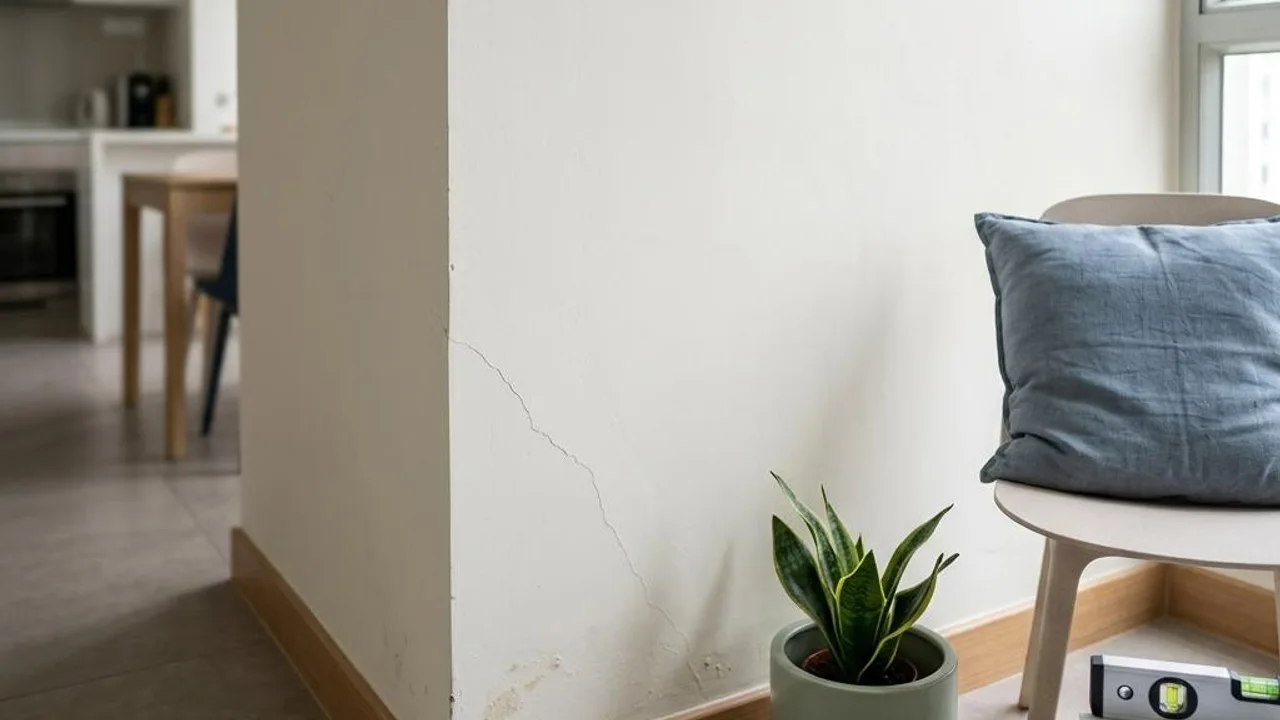
By observing whether there are signs of unexplained dampness on walls or whether the electrical system is operating normally, owners can make a preliminary judgment on whether further professional investigation is needed. When abnormalities are discovered, please ensure you ask relevant licensed professionals to conduct detailed checks to ensure the safety of your home environment.
- Professional inspection covers hidden issues such as electricity, water services, and structure
- Providing objective data to boost buyer confidence
- Targeted improvement suggestions help owners avoid unnecessary pitfalls
FAQs
Does a property inspection report mean the property is 100% safe?
A property inspection report is a professional record based on conditions visible on-site at the time of inspection. Testing can effectively identify visible conditions and states detectable by instruments, providing objective reference data for owners; however, the report content cannot be taken as a guarantee of safety for the building structure, electrical systems, gas facilities, hidden conduits, waterproofing thickness, remaining lifespan, or repair effectiveness. Infrared thermography only reflects surface temperature distribution and is not confirmation of moisture or the cause of leakage, nor can it show hidden structures. Property inspection tools cannot guarantee that all hidden defects will be revealed. Mandatory window inspection is an independent statutory procedure that must be executed by qualified persons registered with the Buildings Department and is not part of general property inspection services. Please consult relevant qualified experts for professional technical issues. Property inspection is not equivalent to certifying that a building is absolutely safe; owners must not perform electrical tests, disassemble fixed installations, adjust water pressure valves, or climb on roofs and exterior windows themselves.
What should be done if suspected water seepage is found during property inspection?
If an owner notices water stains or damp marks while observing the walls, they should first record the specific location and take photos for documentation. Please be sure to commission a professional licensed inspector to investigate in order to determine the source of the seepage and avoid handling it yourself or misjudging the situation.
Does discovering new defects after handover mean the property inspection failed?
A house is a dynamic system, and environmental changes can affect the state of the property. Property inspection provides a checklist and professional data for the moment of handover and can significantly reduce risk, but it cannot fully predict all future changes arising from the environment or daily use.


