
Residential Electrical System Safety Inspection
The safety of the electrical system is directly related to daily life and the protection of life and property. The inspection focus should be on whether the configuration and wiring of the distribution board are standardized, including whether there are obvious signs of overloading or damage in any circuits. When checking electrical sockets and switch panels, ensure that there are no scorch marks, deformations, or abnormal heating in appearance, and all sockets must be in good working condition.
A professional inspection will evaluate the distribution of electrical loads to ensure that high-power appliances such as air conditioners or electric heaters have independent and suitable power sockets. Do not share extension leads to prevent circuit overload. If it involves the installation of fixed equipment not powered by sockets, it must be performed by a registered electrical contractor to ensure compliance with the installation requirements of the WR1 certificate.
- Check the integrity of distribution board wiring and for signs of no overload
- Visually inspect that electrical socket panels have no scorch marks or damage
- Confirm that high-power appliances use independent power sockets
- Must hire a registered electrical worker for electrical installation involvement
Gas Pipeline and Equipment Safety Management
Gas system safety is crucial in property inspections. Inspectors need to pay attention to whether the gas pipeline installation is stable and free of corrosion signs, ensure that the pipeline corners and joint positions are intact, and check whether the connections between gas stoves, water heaters, and other equipment and pipelines are standardized. This part of the inspection aims to identify potential leakage points to ensure the safety of the indoor environment.
If an unidentified odor appears indoors, do not rely solely on sensory judgment; keep the air circulating and stop using the relevant gas equipment. Consult professionals if necessary. At the same time, ensure that the installation location of gas facilities meets ventilation requirements, and avoid installing high-oxygen-consuming equipment such as water heaters in enclosed spaces to prevent the risk of carbon monoxide accumulation.
- Check the stability of gas pipelines and anti-corrosion status
- Confirm that the connections of stoves and water heaters comply with safety standards
- Ensure that the installation environment of devices such as water heaters has good ventilation
- Illegal modification of gas equipment and pipelines is strictly prohibited
Water Supply and Drainage System and Water Seepage Investigation
The inspection focus of the water supply and drainage system lies in the airtightness and drainage efficiency of the system. During the inspection, observe the operation of each faucet, toilet, washbasin, and bathtub one by one to confirm that the water pressure is normal and the water flow is smooth. Pay special attention to whether there are persistent water stains on walls and floors, as this may be a sign of hidden leaks in water supply pipes or drain pipes.
The inspection of the drainage system includes ensuring that the channels are unobstructed, especially that floor drains have no blockages. If slow drainage is discovered, investigate in a timely manner whether it involves poor pipe design or blockages. For defects that may cause indoor flooding, they must be clarified and the relevant parties requested to handle them before handover to prevent water seepage accidents after moving in.
- Test the water pressure and water supply stability of faucets one by one
- Check that drainage pipes have no leaks and drain smoothly
- Investigate the blockage status of floor drains and hidden pipes
- Ensure that water seepage problems are properly handled before handover
Key Observations for Structural Safety Conditions
Structural safety of the building is the core of living safety. The inspection observation focus is on whether there are abnormal cracks, exposed steel bars, or concrete spalling on walls, ceilings, and beams/columns. This type of structural defect may involve building settlement or uneven pressure. If cracks appear diagonal or have abnormal widths, extra vigilance is required and a professional structural engineer should be sought for evaluation.
Checking the installation structure of doors and windows falls under the scope of structural safety. Windows must ensure smooth opening and closing, stable locks, and no aging or damage to the sealing strips. For buildings over 10 years old, homeowners should note whether they have received the Mandatory Window Inspection Scheme notice from the Buildings Department. This inspection is a statutory requirement and must be carried out by a qualified person registered with the Buildings Department in accordance with the regulations; this is not included in the general scope of property inspection services, and homeowners should hire professionals to handle it.
- Observe whether there are obvious cracks or spalling on walls and ceilings
- Check the condition of structural beams and columns to ensure no abnormal deformation
- Confirm that door and window installation is stable and lock operation is flexible
- Homeowners, please note that mandatory window inspection is a statutory requirement applicable to buildings meeting specific conditions. This procedure must be carried out by a qualified person registered with the Buildings Department, does not fall under the scope of general daily inspections, and is not a service promised on this website. If related matters are involved, please consult appropriate qualified professionals.
Indoor Fire Safety Facility Management
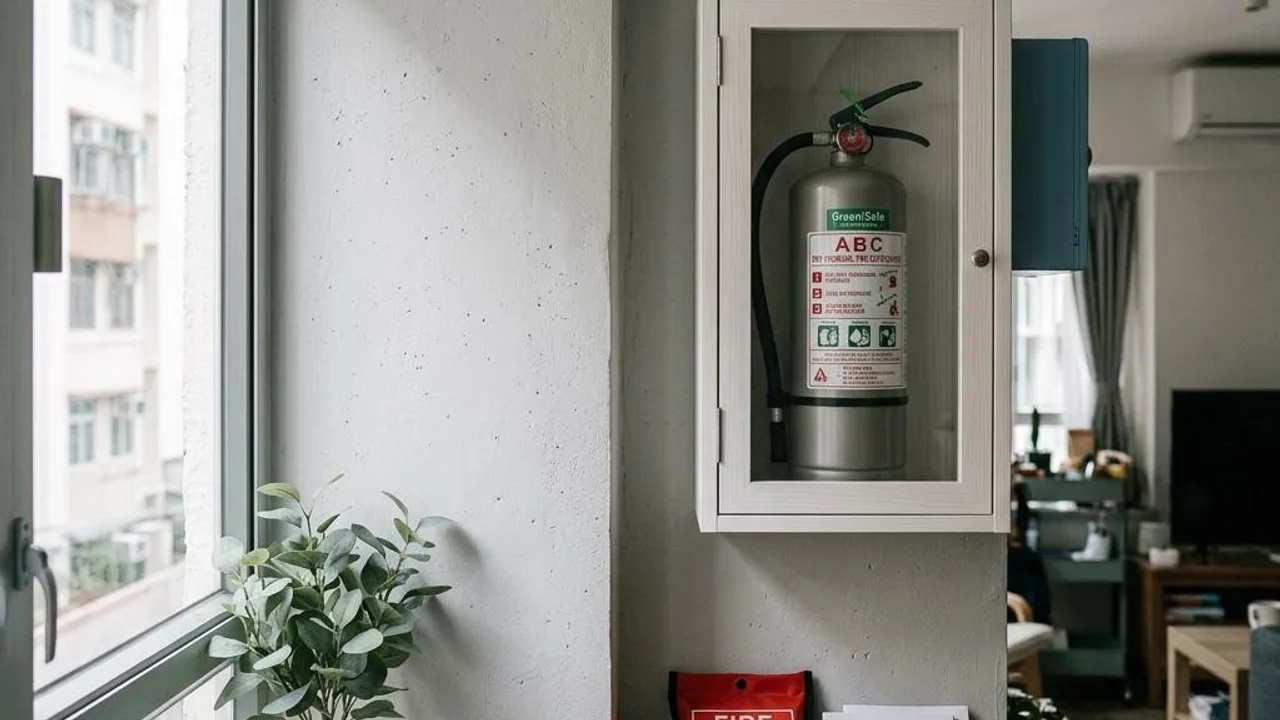
Good fire safety awareness and facility configuration are indispensable for home safety. Although the fire safety specifications for private residences vary, ensure that escape routes are not blocked by debris. Check whether the unit is equipped with necessary fire extinguishing equipment and confirm that it is within its expiration date; this is basic responsibility for family life safety.
Homeowners should also have a basic understanding of fire safety facilities in common areas of the building, such as knowing whether smoke detectors and escape route exit signs on the floor are working properly. If the apartment is equipped with private smoke detectors, ensure they are sensitive and regularly check the battery status. Such details are also worth noting during a property inspection to build a safer living barrier.
- Ensure that escape routes are unobstructed
- Verify that fire extinguishing equipment is within the validity period
- Understand the operation of smoke sensing facilities within the residence
- Regular self-inspection to maintain basic home fire safety
Professional Property Inspection Assessment Recommendations
When homeowners conduct unit inspections, in addition to self-observation, they can also hire relevant professionals to conduct detailed assessments for specific areas such as electricity, structure, or drainage. This can ensure that hidden defects are precisely identified, provide objective data and improvement suggestions, and assist homeowners in effectively handling various potential safety risks before moving in.
When choosing a professional assessment, you should confirm whether the personnel have relevant qualifications and propose consultation directions based on the specific condition of the property. Correct professional advice can not only help homeowners understand the condition of the unit but also assist in communicating with relevant parties and formulating reasonable repair plans when serious structural or safety defects are found.
- Hire a registered electrical worker to assess the electrical system
- If structural doubts are found, consult the opinion of a professional engineer
FAQs
If cracks are found on the walls during property inspection, how should it be handled?
Homeowners should first observe the shape of the cracks. If the cracks appear diagonal or have abnormal widths, record their location and length, and avoid covering them with paint yourself. It is recommended to hire a registered structural engineer to conduct a professional assessment to confirm whether it involves building structural settlement or abnormal pressure.
Suspect pipe leakage after moving in, how should I investigate?
Homeowners can first observe whether there are water stains or continuous dampness on the walls or floors, and check whether the faucet switches are turned off tightly. If continuous water leakage or slow drainage is found, stop using the area and consult a qualified licensed plumber to perform a pressure test or check the airtightness of the pipes. Do not dismantle the wall to investigate on your own.
What are the requirements for homeowners regarding the Mandatory Window Inspection Scheme notice?
According to the law, after owners of private buildings aged 10 years or above receive a Mandatory Window Inspection Scheme notice, they must appoint a qualified person on the Buildings Department's register, such as a Registered Inspector or Registered Contractor, to inspect all windows in the unit. If damage is found, it must be repaired by a qualified contractor, and relevant supporting documents must be submitted to the Buildings Department. This type of statutory inspection must be carried out according to the prescribed procedures and is not a project included in general daily property inspection services.


