
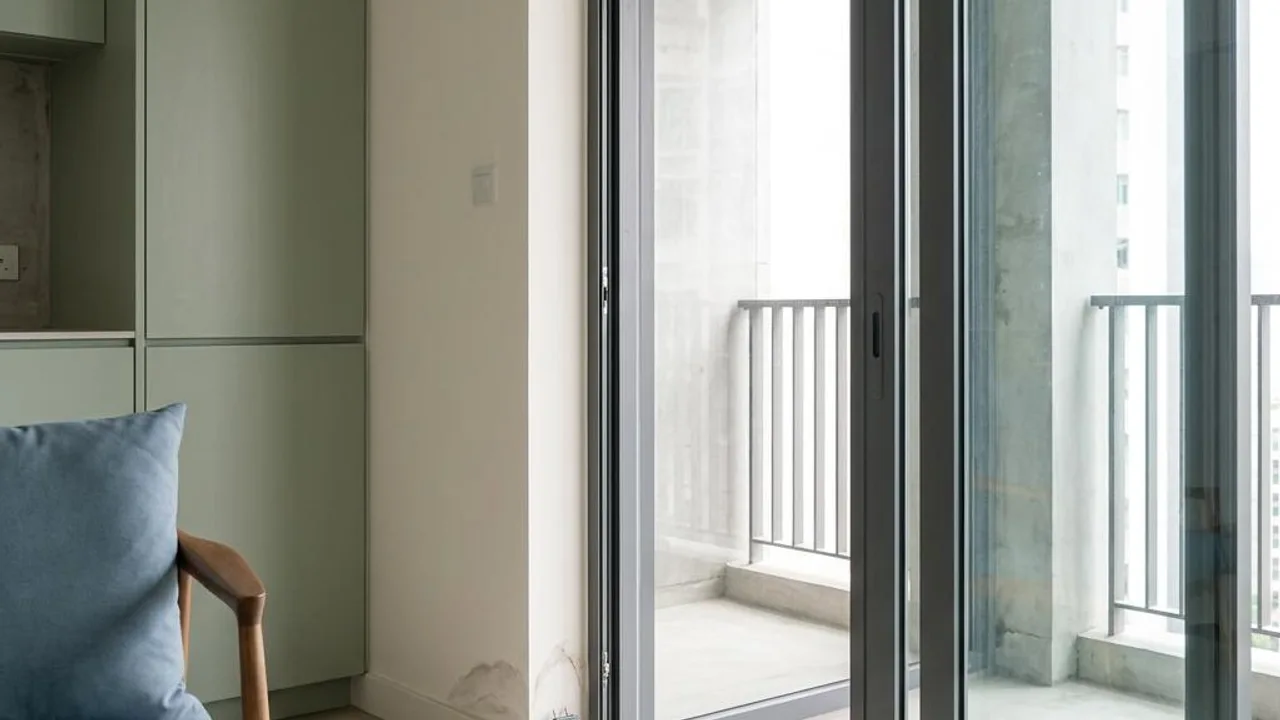
The Importance and Procedures of Strata Unit Property Inspection
Hong Kong strata residential units have complex structures, and from wall composition to concealed works, construction quality directly impacts living standards. Conducting an inspection early allows owners to discover construction flaws during the key handover stage, serving as a basis to notify the developer and request repairs. This inspection covers only visible construction quality and cannot verify concealed structures, waterproofing layer thickness, electrical safety, or gas system compliance. Thermal imaging shows only surface temperature differentials and is not conclusive proof of moisture or leak sources. If Mandatory Window Inspection Scheme is involved, it must be performed by a qualified person registered with the Buildings Department and is outside the scope of a general inspection.
Please consult relevant licensed professionals for specialist matters and do not dismantle installations, touch electrical circuits, or perform high-altitude inspections yourself. This content is for reference only and does not provide any guarantee regarding unit safety or estimates of remaining lifespan.
This process not only safeguards the long-term value of the property but also reduces additional future maintenance costs caused by renovation defects. The core of a property inspection lies in meticulous observation and recording, establishing a complete unit status report for the owner to ensure the delivered condition aligns with contractual terms.
- Early detection of potential construction flaws and damage
- Safeguarding the property's usage quality after handover
- Reducing extra expenditure on self-funded maintenance
- Confirming the unit's delivery condition matches the contract agreement
Strata Unit Inspection: Structural and Finishing Details
Structural inspection focuses on the integrity of walls, beams, columns, and floor slabs. Owners should watch for unusual cracks, especially at corners and junctions. The property inspection primarily involves visual recording of surface conditions to assist owners in identifying issues requiring further attention.
Finishing details include checking floor and wall tiles for flatness and hollowness, as well as the smoothness and sealing performance of door and window operations. The sealing at the edges of waterproofing layers is also a key inspection point, which can effectively prevent common future leak hazards.
- Check for cracks or hollow phenomena in walls and ceilings
- Inspection of floor tile flatness and hollowness
- Door and window structural integrity and operational smoothness
- Sealing condition at the edges of waterproofing layers
Home Plumbing, Electrical Systems, and Safety Practices
Electrical and drainage systems are central to home safety. Plumbing inspection includes leakage tests for taps and toilets, the flow efficiency of drainage pipes, and the operation of odor-prevention equipment. Verifying that drainage points are correctly installed is crucial for preventing domestic flooding.
Regarding the electrical system, check socket power and supply safety. If scorched marks or abnormalities appear on electrical plugs, you must immediately engage a registered electrical contractor for inspection; never attempt any electrical repairs yourself to ensure home safety.
- Cold and hot water pipe pressure testing and drainage flow inspection
- Socket power status and wiring safety inspection
- Exhaust system and fan operation inspection
- Verification of correct drainage point installation and odor-prevention function
Professional Property Inspection Tools and Examination Methods
OPO Inspection professionals use specialized tools, such as high-intensity flashlights to illuminate walls, capturing plaster flaws invisible to the naked eye through shadow variations. A hollow-detection hammer is used to tap tile surfaces, distinguishing by sound whether the tiles are fully adhered to the wall to prevent future detachment risks.
The entire process follows a systematic checklist, ensuring every area undergoes detailed scrutiny. All identified issues are photographed for documentation and compiled into a detailed list, ensuring owners and developers have clear records and a basis for coordinating defect rectification.
- Using high-intensity flashlights to check for surface wall flaws
- Utilizing a hollow-detection hammer to check floor and wall tile hollowness
- Systematic item-by-item verification based on zones
- Detailed recording of issues with accompanying photos for the owner's records
Handling Property Inspection Results and Maintenance Follow-ups
After the property inspection, owners must submit the list to the developer to arrange defect rectification. During the repair work, owners should observe appropriately to ensure repair methods meet basic safety requirements. If defects involve structural or complex works, request the developer to provide relevant explanations.
Once the developer completes the defect rectification, owners should perform a reinspection against the list to confirm all issues have been properly addressed and that the repaired finish aligns with the unit's original design, maintaining property quality and functionality.
- Confirming the defect rectification list and progress with the developer
- Ensuring repair works meet basic safety requirements
- Performing a reinspection when necessary to ensure quality
FAQs
If OPO Inspection finds wall hollowness, does it indicate a structural safety issue?
Wall hollowness usually relates to plastering craftsmanship rather than structural damage. However, large or severe hollowness may cause the plaster layer to detach in the future and should be addressed by the developer arranging for professional craftsmen to perform grouting or re-plastering repairs.
If sockets show no power after handover, can the owner check the wiring themselves?
Owners must not perform any self-dismantling or repairs involving electrical circuit structures. If you find sockets without power or abnormalities in the distribution board, contact the developer immediately to request repairs, which must only be handled by a qualified registered electrical contractor.
How should blockages be handled if discovered during drainage testing?
If slow drainage or signs of blockage are detected, the owner should record the affected location and specific symptoms. Request that the developer inspect the inside of the drainage pipes for construction debris and ensure they are cleaned until fully clear, ensuring the drainage system functions correctly.


