
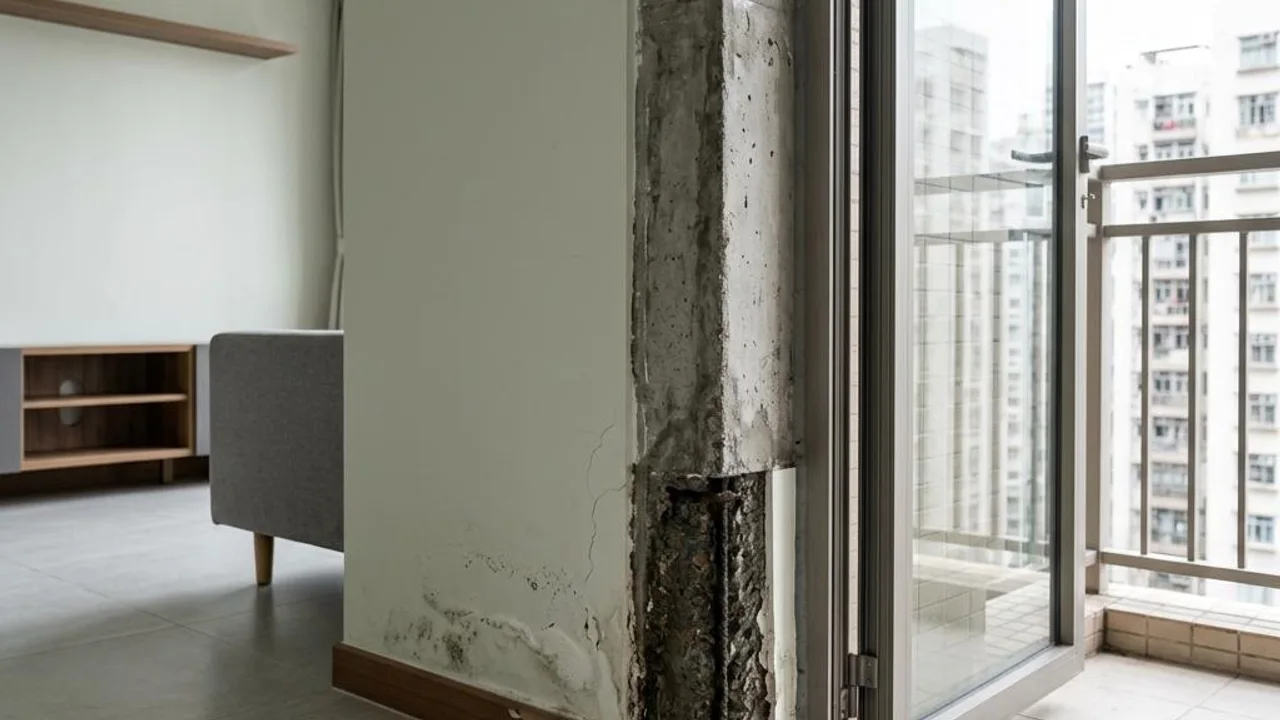
Structural safety: The core line of defense in property inspection
Buying a property is a major financial decision, but many buyers focus too much on superficial renovation defects during property inspection, such as chipped tiles or paint color differences, while ignoring structural stability. Structural problems often emerge only after moving in, and repair costs are extremely high; they must be identified during the property inspection stage.
Professional structural observation includes the assessment of walls, floor slabs, and load-bearing components. A correct property inspection process can help owners initially determine whether the residence has structural risks, providing important factual basis for whether professionals need to be hired later for follow-up repairs.
- Distinguishing between surface defects and structural hazards
- Analysis of the potential causes of wall cracks
- Establishing a factual record for professional property inspection
Observation of structural cracks in walls and ceilings
When unusual cracks appear on walls or ceilings, owners should be on high alert. Especially diagonal cracks at a 45-degree angle or horizontal penetrating cracks that continue to widen may suggest the building is affected by uneven stress or subsidence. In old buildings, if cracks have seriously affected the reinforced concrete structure, they must not be ignored.
Owners can record the location, length, and width changes of the cracks, but please remember that this is only a preliminary observation and not a professional appraisal. If such signs are found, consult a professional to understand the cause; do not easily carry out covering repairs to avoid masking potential structural changes.
- Identify the potential risks of diagonal cracks
- Record crack width and development trends
- Avoid using renovations to cover up structural cracks
Floor load-bearing and floor hollow-sound testing
As the core of the building structure, the stability of the floor slab affects the safety of the entire building. During property inspection, pay attention to whether there is abnormal floor subsidence, or hollow sounds when tapped, as these may reflect insufficient adhesion at the floor base or aged cement mortar.
In Hong Kong's high-density residential environment, floor slab problems not only involve indoor flatness; if they involve load-bearing structural components, more caution is required. Using professional property inspection tools for tapping helps owners grasp the overall current status of the unit's structure.
- Use the tapping method to detect floor hollowness
- Assess floor flatness and structural subsidence
- Pay special attention to the joints between balconies and platforms
Assessment of water seepage and waterproofing layer structure
Water seepage is the most common problem in buildings in Hong Kong. Buyers should not wait until walls bubble or go mouldy before dealing with it; they should request checks in key areas such as toilets, kitchens, and window sides during property inspection. If there are defects in the construction of waterproofing layers in these places, it often leads to serious seepage after moving in.
Waterproofing tests must be conducted within regulated standards. Effective testing can identify whether a waterproofing layer has failed during daily water usage, preventing serious leakage incidents that could affect units below, and avoiding neighbourly disputes as well as expensive re-flooring costs.
- Inspect wall water marks and tile efflorescence
- Assess potential gaps in kitchen and bathroom waterproofing layers
- Rely on infrared thermography to identify hidden water stains
Structural safety of aluminium windows and exterior walls
Hong Kong's weather is highly changeable, and the sealing and structural condition of aluminium windows are directly linked to residential safety. OPO Inspection inspectors will check for any loosening at the junction between window frames and walls, whether there are micro-cracks in the glass, and the level of wear on window hinges. In high-rise units, the safety of aluminium windows is of the utmost importance.
Common issues in new developments, such as window frame misalignment or loose screws, must be verified one by one upon handover. Ensuring aluminium windows are in good condition is a basic responsibility to safeguard daily living and public safety.
- Test window frame installation for levelness and stability
- Assess sealant and water-repelling functionality
- Check the flexibility of window hinges and limiters
Hidden risks in mechanical, electrical, and piping facilities
If water and electrical facilities have safety hazards, they will directly threaten the home environment. For example, blocked air-conditioning drainage pipes can cause ceiling dampness, while old-fashioned asbestos or rusted pipes raise health and leakage concerns. During property inspection, a basic functional verification of the power supply layout should be carried out.
For any modifications to fixed electrical installations, such as ceiling lights or electric water heaters, the work must be completed by a Registered Electrical Contractor who must issue a Work Completion Certificate. Buyers should confirm that relevant facilities are operating normally and be mindful of circuit load issues, especially ensuring that high-power home appliances have dedicated sockets.
- Test water pressure and drainage system operation
- Observe the rusting condition of old-fashioned pipes
- Ensure high-power appliances use dedicated sockets
The importance of a professional OPO Inspection team.
The advantage of hiring a professional team lies in their ability to use tools such as high-precision infrared thermography and moisture meters to digitise hidden defects. This not only provides property owners with an objective inspection record, but it also serves as powerful evidence for bargaining and repair requests during subsequent negotiations with developers or sellers.
Professional property inspection is not just about obtaining a report; it is about preventing property owners from missing key structural and electrical safety risks due to a lack of personal experience, thereby safeguarding long-term asset value and personal health and safety.
- Use professional instruments to obtain accurate data
- Obtain a report with legal and bargaining reference value
- Avoid risks caused by personal judgement errors
FAQs
Does finding cracks in the wall mean there is a major problem with the building structure?
Not necessarily. The causes of cracks are complex; they may simply be due to plaster shrinkage or workmanship issues during renovation. Property owners should observe whether the cracks penetrate the structure and whether their width increases over time. If there are concerns, a professional should be engaged to conduct a structural assessment.
Is it safe to perform a waterproofing test yourself during a property inspection?
Large-scale water ponding or destructive testing is not recommended for owners. Property owners can safely observe whether the waterproofing layer has obvious cracks or if there are signs of dampness on the walls, and they should hire qualified personnel to use professional instruments for non-destructive testing.
How should a property owner handle electrical or mechanical hazards pointed out in the inspector's report?
Property owners should compile the items in the report involving electrical and mechanical safety and request that the seller or developer arrange for a qualified Registered Electrical Worker to conduct a detailed inspection and repair, ensuring that the repair work complies with regulations and that relevant certifications are obtained.


