
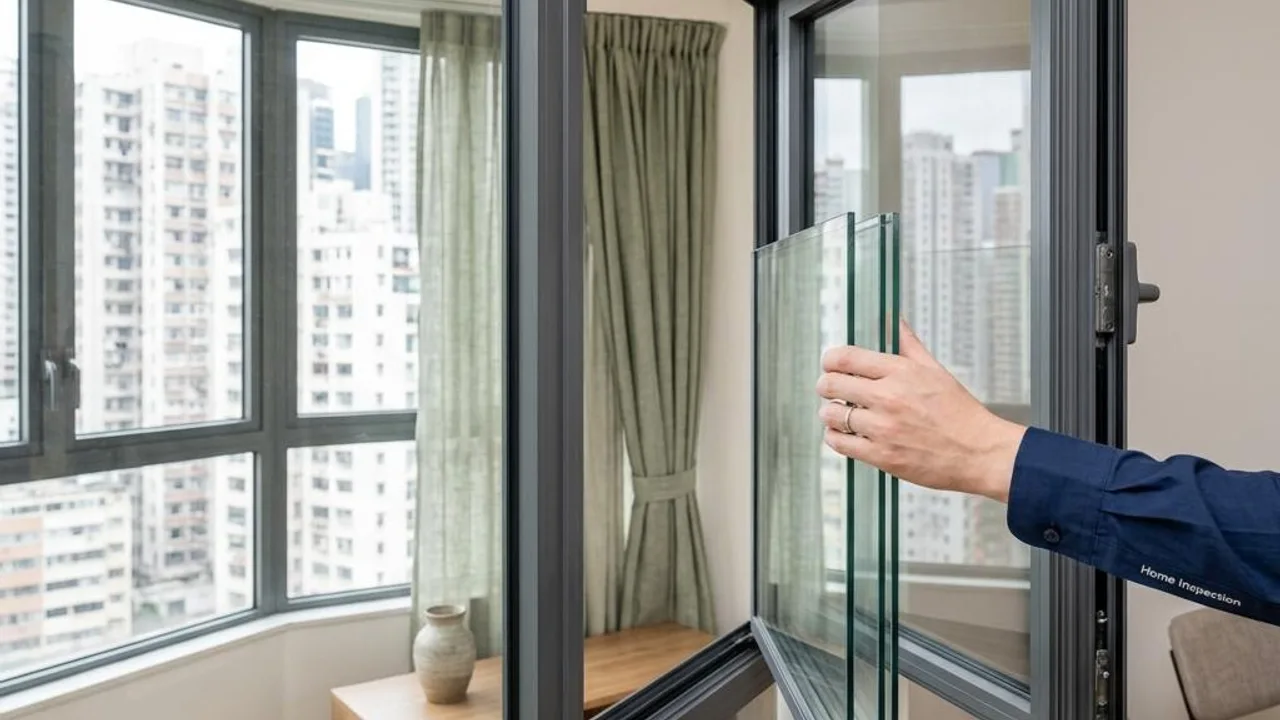
The Physical Structure and Principles of Sound-Insulating Glass
In Hong Kong's dense urban environment, sound-insulating glass is an important facility for improving living quality. Its core principle lies in blocking sound wave transmission through physical structures. Sound travels in the form of pressure waves; high-quality sound-insulating glass uses multi-layered glass and an intermediate sound-insulating layer (such as an air layer or inert gas layer) to weaken sound wave energy, thereby achieving the goal of noise reduction.
Common sound-insulating glass on the market includes laminated glass and double-glazed hollow glass. Laminated glass absorbs vibrations through an intermediate resin layer, while double-glazed hollow glass uses an intermediate gas layer to block the path of sound. During inspection, one must ensure the glass structure is complete and that there is no sealing failure caused by construction; otherwise, the sound insulation performance will drop significantly.
- Laminated Glass Structure (Resin Absorbs Vibration)
- Hollow Glass Structure (Sealed Gas Layer for Sound Insulation)
- The Crucial Nature of Glass Sealing Performance
- Principles of Blocking Low-Frequency and High-Frequency Noise
Key Points for Professional Inspection of Sound-Insulating Glass
When inspecting sound-insulating glass, besides paying attention to the specifications of the glass itself, installation quality is of paramount importance. The sealing strips and glass sealant between the glass and window frame must be perfectly flush; if gaps appear, sound waves will pass directly through them, rendering the sound insulation effect non-existent. Homeowners usually check for obvious cracks in the glass or misting indicative of sealing failure.
Furthermore, one should check the opening smoothness and locking mechanism of the window frame. A tight window frame latch ensures that the glass and sealing strips make firm contact, which is the foundation for ensuring sound insulation effectiveness. During property handover, clients should pay special attention to the immediate blocking of outdoor noise after the window is closed; if obvious airflow is detected, it indicates a problem with the sealing.
- Inspection of Sealing Strips and Glass Sealant Construction
- Presence of Misting or Water Seepage Marks on Glass
- Tightness of Window Opening and Locking Devices
- Whether Glass Thickness and Specifications Meet Project Requirements
Identifying Installation Deviations and Sound Insulation Risks
To objectively evaluate the sound insulation effect, relying on hearing alone is not enough. Although professional acoustic testing needs to be conducted by a laboratory, homeowners can evaluate risks by observing installation details. Product data on the market such as Sound Reduction Index (dB) is usually laboratory data; in reality, after residential installation, performance will be affected by the surrounding environment and installation deviations.
If there are concerns about sound insulation performance, one should view product certificates and test standards. Ensure relevant certificates are issued by accredited institutions and adopt test methods that meet local standards. Assessing whether the interface between the window frame and the wall is sealed to prevent sound from conducting from the wall into the room is a key step in improving home quietness.
- Confirm the Product Specification Sheet Provided by the Manufacturer
- Inspect the Filler Between the Window Frame and the Wall Structure
- Evaluate the Impact of Installation Craftsmanship on Sound Insulation
- Observe for Noise Leakage Caused by Air Gaps
Environmental Maintenance for Quiet Indoor Living
To maintain a quiet living environment, apart from relying on high-quality sound-insulating glass, indoor maintenance is also very important. Regularly check the condition of sealing strips to ensure they have not aged and hardened. If you find the window's sealing effect has declined, this may be the main reason affecting indoor air and sound insulation performance. Proper cleaning and maintenance can extend the service life of the glass and window frame.
We suggest that if the living environment has significant excessive noise, apart from inspecting the glass, you may also consider further improving the sound insulation level through indoor layout (such as installing thick curtains or sound-absorbing decorations). If the window is seriously damaged, you should contact a registered contractor for repair to ensure the window's safety and functionality.
- Regularly Check the Elasticity of Window Sealing Strips
- Avoid Long-Term Contact with Damp Environments
- Consult a Registered Professional Upon Discovering Damage
- Regularly Clean Window Frame Rollers to Keep Them Smooth
Preparatory Schemes for Improving Home Sound Insulation
Before carrying out sound insulation optimisation, homeowners should first record the time and direction of noise occurrences. This helps in distinguishing whether the noise source comes from street traffic, nearby construction, or neighbour activities. Understanding the specific source of disturbance can help homeowners provide more accurate information when consulting renovation consultants, in order to choose suitable window reinforcement plans.
Besides glass quality, the airtightness of the window frame is the most overlooked part of the sound insulation link. It is recommended to check whether the window lock can fully compress the sealing strip, ensuring there is no swaying when the window sash is closed. For older windows, installing additional weather-stripping is a relatively economical and effective method to improve the level of sound insulation.
- Record Noise Sources and Peak Hours
- Assess the compression tightness of the window frame locking points
- Install additional sealing strips to improve airtightness
- Consider using thickened blackout curtains to assist with sound insulation
FAQs
Does condensation appearing in double-glazed glass mean the sound insulation has failed?
Yes, condensation inside double-glazed glass usually means the seal has been compromised, allowing moisture to enter between the glass layers. This not only affects visibility but significantly reduces sound insulation performance due to the loss of inert gas or the dry air layer. It is recommended to consult a professional to replace the glass unit.
Why can I still hear outdoor noise after closing the windows tightly?
Noise leakage usually stems from gaps at the junction between the window frame and the wall, old and hardened rubber sealing strips that prevent a tight fit, or loose window locks. It is recommended to first check the elasticity of the rubber strips and the smoothness of the opening/closing. If the problem persists, a professional must inspect the installation joints for cracks or gaps.
Can owners replace aged window rubber strips themselves?
Although replacement rubber strips are available on the market, the replacement process must ensure the specifications exactly match the window track. Additionally, the resistance of the window's opening and closing must be considered during installation. If installed improperly, it may cause the windows to fail to close or lock completely, affecting airtightness and sound insulation. It is recommended to entrust this to a professional window repair technician.


