
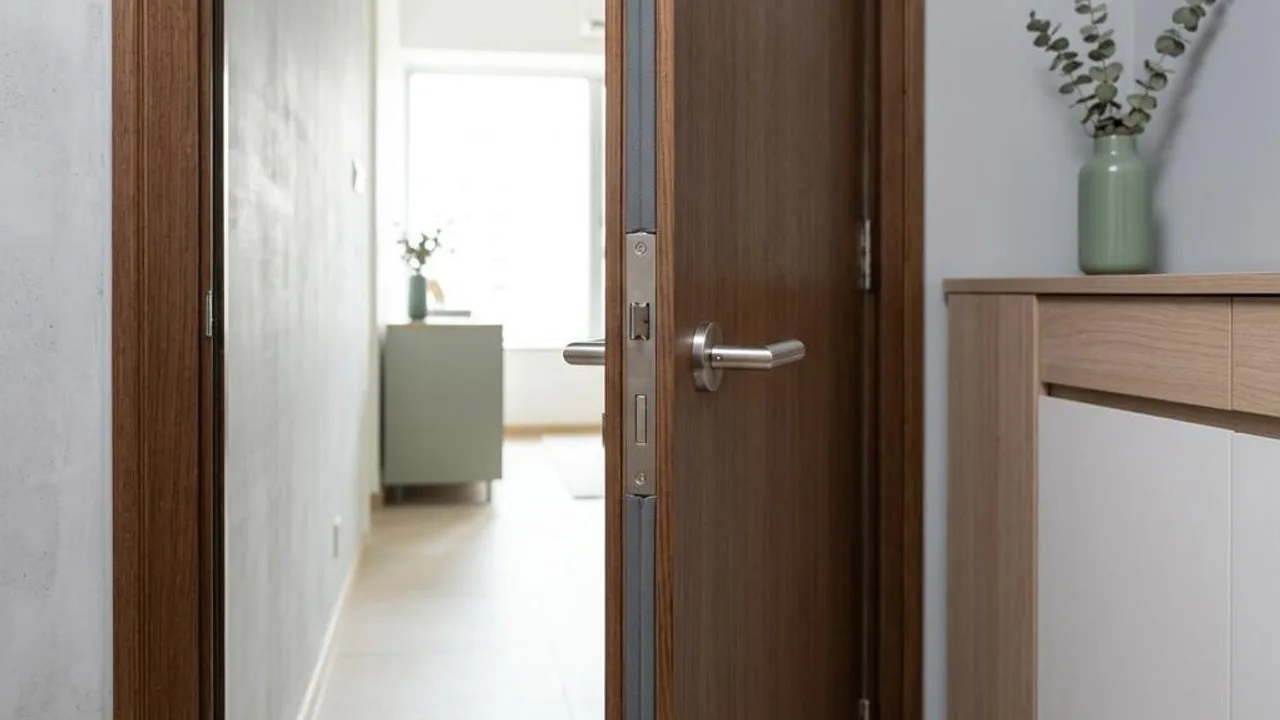
Functions and Roles of Residential Fire Doors
Entrance and kitchen doors are not only barriers for the home but are also critical fire compartmentalisation facilities. Their primary design purpose is to resist flames and high temperatures, containing the fire to a specific area and keeping evacuation routes clear to buy valuable evacuation time for residents.
In high-density residential buildings, the performance of fire doors is directly related to overall fire safety. Therefore, regular verification of the fire-resistant construction and mechanical performance of these doors is crucial for safeguarding home safety and must not be neglected.
- Provide effective fire compartmentalisation
- Extend the evacuation window during a fire
- Block heat and thick high-temperature smoke
- Ensure the structural stability of fire escape routes
Key Points for Entrance Fire Door Acceptance
As the gateway to the public corridor, the entrance door must have a compliant fire-resistance rating. During acceptance, observe whether the door structure is rigid and intact, whether the material has fire-resistant properties, and check the seal between the door frame and the door leaf to prevent the intrusion of flames and smoke.
A qualified fire door relies not only on fire-resistant materials but also on the door gap width, which is key. Excessive gaps will weaken fire-resistance performance; therefore, during inspection, pay attention to any deformation or excessively large joints to ensure the physical fire boundary is sufficiently tight.
- Check door leaf material fire resistance
- Measure the clearance between door leaf and door frame
- Observe the door structure for deformation
- Check door locks and hardware accessories
Closing Devices and Hardware Configuration
Fire doors must be equipped with an effective self-closing device. In the event of a fire, this device ensures the door closes automatically, avoiding the door being left open due to human negligence and thereby losing its fire and smoke prevention function.
During acceptance, test the operational smoothness of the closing device to ensure the door leaf closes stably and quickly. Special attention should be paid to whether there are obstructions at the bottom of the door and whether the hinges are secure, as these details directly affect whether the door leaf can close tightly and achieve the expected fire-resistance effect.
- Test the function of the automatic door closer
- Inspect the stability of the hinges
- Clear obstructions at the door bottom
- Check for alignment of door lock latch points
Fire Maintenance and Observation of Kitchen Doors
The kitchen is a high-risk area for home fires, and the kitchen door must also be capable of blocking heat and the spread of flames. The focus of acceptance is on the structural strength of the door leaf, which must be kept flat and not subject to improper modification to avoid damaging the internal fire-resistant core material.
Residents should regularly observe the condition of the kitchen door. If surface materials are found to be peeling or the structure is loose, seek advice from professionals in relevant fields. Do not drill holes or install large decorations on the fire door yourself, as this can destroy its structural integrity and cause hazards.
- Check the structural integrity of the door body
- Confirm no unauthorised holes have been made on the surface
- Observe the stability of door frame connections
- Test the tightness of the door lock latch
Advice on Routine Observation and Professional Follow-up
Homeowners should develop a habit of inspecting fire doors regularly, focusing on whether there are burn marks around the door frame and whether the sealing strips have hardened or fallen off. If it is found that the door leaf cannot return to its position smoothly when closing, check if this is due to floor friction or loose hinges.
If the door function is found to be abnormal, the homeowner should commission qualified technicians or assessors with relevant professional knowledge to inspect it. Do not attempt to adjust the core components of the automatic door closer yourself to ensure the safety and legal compliance of the fire door.
- Observe the ageing of door frame sealing strips
- Note the closing speed of the door leaf.
- Check for any abnormal marks on the surface of the door leaf.
- Seek professional assistance for repairs.
FAQs
Will installing a peephole or door plate on a fire door yourself affect its fire-resistance performance?
Yes. The structure of a fire door is specifically tested and certified; drilling holes privately will damage the fire-resistant materials inside the door leaf, which may cause fire to penetrate the door body during a fire. It is recommended to consult a professional to understand compliant accessory installation solutions.
How should one handle a fire door closer that cannot fully close the door leaf?
The automatic closer is an important component of the fire door. If it cannot make the door leaf close completely, you should check whether the hinges are loose or if there is debris on the ground. Please do not attempt to dismantle the closer component yourself; you should contact a qualified maintenance professional to carry out an inspection.
How can I determine if the kitchen door in my home meets fire safety standards?
Homeowners can first check if there is a clear fire-rating certification plate on the surface of the door leaf and verify whether fire seals are installed on the edges of the door frame. If there are concerns about the fire rating of the door leaf, a professional assessor with relevant experience should be invited to conduct an on-site observation.


