
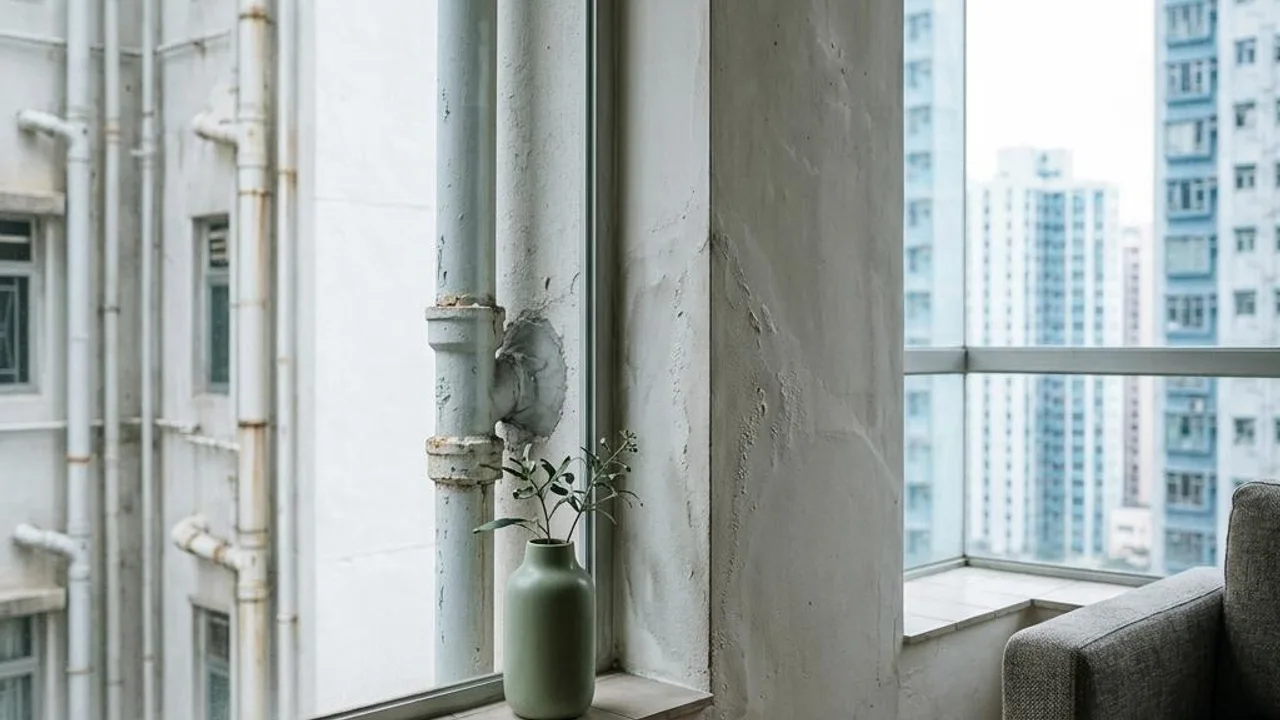
Protection and importance of external wall drains
External wall drainage systems are not just pipes for draining rainwater; they are the building's first line of defence against extreme weather, high winds, and water seepage. A high-quality drainage system ensures rapid rainwater runoff, preventing pooled water from seeping into walls or causing structural corrosion, which is a key factor in maintaining a healthy and comfortable indoor living environment.
During a property inspection, checking the condition of external wall drainage is vital. If pipes are damaged, joints are loose, or there is signs of ageing and peeling, this not only leads to seepage but can cause more severe damage during extreme weather. Understanding the state of the drainage system has a direct impact on long-term building maintenance responsibilities and asset value preservation.
- External wall drainage forms the building's waterproof protection layer
- High-quality drainage systems can prevent rainwater from seeping indoors
- Effective drainage helps prevent mould and wall corrosion
- The condition of external wall drainage is an important observation item during handover inspections
- Early inspection can avoid expensive long-term repair costs
Core indicators for assessing the status of external wall drains
The first step in checking external wall drainage is to confirm its appearance and structural integrity. Observe the exterior of the pipes for damage, peeling, cracks, or significant rust. Ensure the surface colour is uniform and shows no signs of embrittlement due to prolonged exposure to UV rays or extreme temperature fluctuations. Any obvious distortion or denting should be further verified.
Drainage performance is another core assessment criterion. The inspection should focus on the drainage capacity of the pipes during rainfall, confirming that all joints are tight with no signs of sewage or rainwater leakage. Any sign of leakage at a connection point may indicate that the sealant is ageing or there is an internal blockage, requiring immediate repair measures to keep the walls dry.
- Visually inspect the drainage surface for cracks, rust, or peeling
- Check if the drainage pipe connection seals are intact
- Confirm whether drainage pipes have become brittle due to ageing
- Assess whether the pipe structure shows signs of looseness or instability
- Check the rainwater drainage system for clear risks of blockage
Seeking professional technical support and assessment
With complex external wall drainage systems, it is often difficult for homeowners to spot subtle cracks or internal clogs with the naked eye. Professional inspectors possess the relevant expertise and tools to assess drainage safety more accurately, not only identifying surface issues but also providing scientific repair recommendations through structural stability observations.
Professional assessments usually involve a systematic inspection procedure. In addition to checking the installation location, they will verify whether the brackets fixing the pipes are secure. If a homeowner suspects the drainage system has leaks or structural ageing, they should commission qualified engineering personnel to assess its pressure resistance and sealing performance to prevent the problem from escalating.
- Use tools to detect the risk of leakage in concealed drainage systems
- Assess the stability and pressure-bearing capacity of pipe brackets
- Provide scientific maintenance advice and root cause analysis of problems
- Confirm compliance with general building maintenance and care guidelines
- Identify whether there are any unauthorised alterations or illegal connections in the drainage system
Advice for homeowners on routine maintenance
Homeowners should develop a habit of regular inspection to keep risks within acceptable limits. The focus should be on changes in the appearance of the pipes and any abnormal water stains at joints. After the typhoon or rainy season, inspections of the pipe structure should be increased to ensure it has not been loosened by strong winds or damaged by impact from foreign objects.
If obvious dripping or deformation is found on the pipes, the homeowner should record the observation date and the location of the problem in detail for accurate reporting to professionals. Keeping relevant maintenance records and photographic archives not only helps professional repairers quickly identify the root cause but also serves as important evidence of fulfilling property management obligations.
- Regular visual observation of the pipe exterior for obvious abnormalities
- Check pipe brackets for looseness after a typhoon
- Record the location and status of leakage or damage points
- Distinguish between safety observation and qualified professional repair
- Retain relevant inspection and maintenance documents for audit purposes
Legal liabilities and repair regulations
Responsibility for building maintenance lies with the owner, particularly regarding legal requirements for external walls. Under the law, owners are responsible for maintaining the external wall drainage system in good and safe condition. If pipes show severe ageing or unauthorised alterations, the owner must hire a registered contractor for qualified repairs to ensure the work complies with current building ordinances.
When carrying out any repairs to external wall drainage, it is crucial to distinguish between personal observation and professional contractor work. If issues concerning external wall safety are discovered, such as the risk of falling debris or severe leakage, do not attempt to handle them personally or commission uncertified parties; appoint qualified professionals for inspection and repair to ensure the work is legal and compliant.
- Comply with statutory safety requirements related to building maintenance
- Any high-altitude work on external walls must be handled by a registered contractor
- Do not replace or modify external wall drainage pipes yourself
- Ensure external wall works comply with relevant building safety guidelines
- Proactively contact the property management office to assist in arranging a professional inspection
FAQs
What action should a homeowner take if they discover water seepage in external wall drainage pipes?
The homeowner should first record the location of the seepage, the time it occurred, and the affected area, taking clear photographs as a record. Do not attempt to dismantle or patch the pipes yourself; immediately hire qualified personnel or a registered contractor for an on-site inspection to identify the source of the leak and arrange for professional repairs.
Do regular inspections of external wall drainage need to align with specific building maintenance plans?
Yes. Homeowners should pay attention to the Mandatory Building Inspection Scheme or Mandatory Window Inspection Scheme issued by the government and regularly participate in building maintenance inspections organised by the property management company. External wall drainage is part of a building's structural safety, and regular assessment of pipe bracket stability and joint sealing helps fulfill the owner's maintenance responsibilities.
How do you determine if pipes need replacement due to UV exposure?
If the pipe surface shows significant embrittlement, powdering, discolouration, or fine cracks, it indicates that the material has been affected by UV ageing, and its structural strength may have been severely compromised. If a homeowner discovers such conditions, they should ask professionals to assess the remaining service life and stability of the pipes and arrange for replacement if necessary.


