
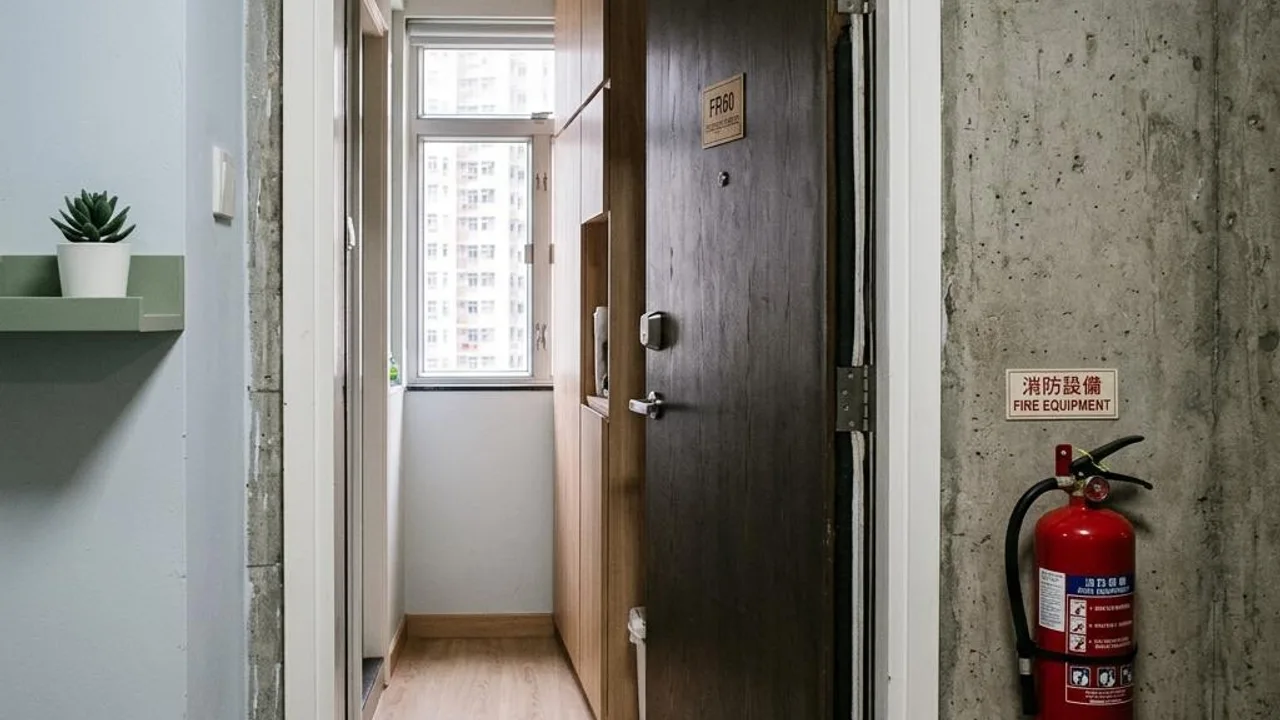
Architectural characteristics of nano-flats
Nano-flats are known for their high-density space planning and are located in golden urban areas, making them a popular housing choice in recent years. This unit design emphasizes extreme space utilization, concentrating living functions within limited square feet through a compact interior layout.
However, this compact layout often restricts indoor air circulation and the placement space for fire facilities. As subjects of property inspection, these types of units require special attention to building structure details to ensure that living facilities still meet basic safety and practical standards within the limited area.
- Extremely high indoor space utilization
- Commonly found in metropolitan core areas with convenient transportation
- Structural layout has special requirements for indoor ventilation design
- Installation locations and coverage range of fire facilities are limited
How property inspectors check nano-units
A professional property inspection process is the key to ensuring the safety and perfection of a unit's functions. Although nano-flats are small, they involve structural, electrical, water supply, and fire systems—all of which are indispensable. Property inspectors will conduct a comprehensive screening based on a standard inspection checklist to avoid any minor flaws that could affect future living.
Due to the high construction density of nano-flats, decoration flaws are more likely to lead to water seepage or short circuits. Property inspection should focus on observing the performance of infrastructure under normal operation, but general inspections cannot confirm the condition of concealed works, structural safety, circuit compliance, or water pipe durability. Please note that thermal imaging can only show surface temperature differences and is not direct proof of water leakage or structural basis. If window safety or structural changes are involved, please consult a qualified professional registered with the Buildings Department for statutory inspection. Residents should not attempt to disassemble electrical appliances themselves or carry out any high-risk modification projects.
If problems in professional areas are found, please seek assistance from appropriate technical personnel.
- Checking the flatness of interior walls and floors
- Screening for sealing and leakage of cold and hot water pipes
- Check that the electrical wiring meets safety load requirements.
- Assess the construction quality of the waterproofing layer in the bathroom and kitchen.
The importance of meeting fire safety standards
In densely populated nano-flat housing estates, fire safety is the cornerstone of residential safety. Due to the small space, in the event of an accident, evacuation time and escape routes become critical; ensuring that the building's fire safety systems meet standards is the top priority for protecting the lives and property of residents.
Developers and owners must ensure that the fire service installations within the unit can integrate with the building's overall fire safety system. During a property inspection, a fire safety assessment is not just about checking for the presence of facilities, but ensuring that each safety facility is genuinely functional in an emergency.
- Ensure the indoor smoke detector is operating correctly.
- Confirm that fire hose reels and firefighting equipment are in good condition.
- Assess the audibility of the fire alarm and public address system.
- Check for any obstructions along the evacuation route.
Specific measures for home fire prevention
After moving in, owners should regularly inspect household equipment themselves to ensure evacuation passages remain clear, and must not stack debris that could block escape routes. At the same time, the home should be equipped with appropriate firefighting supplies, and residents should be familiar with the unit's emergency escape plan; this is particularly important for residents of nano-flats.
Electrical system safety is also key to preventing fires, especially regarding the use of high-power appliances. Users should avoid overloading power strips and have any non-socket electrical connections handled by a registered electrical contractor to ensure the circuit load meets building safety requirements.
- Regularly check electrical appliance cords for damage or charring.
- Do not share power strips for high-power appliances to prevent overloading.
- Keep public escape routes free of stacked debris.
- Ensure the fire extinguisher is within its validity period and is easily accessible.
- Avoid touching electrical installations in damp environments.
Common precautions for nano-flat inspection
Due to the dense arrangement of pipelines in nano-flats, water leaks or slow drainage are relatively common. Owners should focus on observing whether there are water stains on walls or under cabinets during the property inspection stage, and try to observe whether water flows away smoothly. If you have any concerns, it is recommended to promptly ask the property management office or a professional technician to perform an inspection.
Regarding power supply, because the unit space is small and the electrical panel load is relatively concentrated, residents should pay attention to the distribution of sockets when placing appliances to avoid circuit overload. If additional electrical appliances are needed, you should consult a professional electrician to confirm the circuit load and ensure home safety.
- Observe whether there are signs of long-term dampness at the base of the walls.
- Check the drainage speed of the washbasin and kitchen sink.
- Confirm that the electrical panel labels are clear and accurate.
- Note whether the power socket locations meet daily usage requirements.
FAQs
How does an OPO Inspection surveyor test the waterproofing performance of a nano-flat?
The surveyor will check the construction quality of the waterproofing layer in the kitchen and bathroom, and confirm whether there is any leakage risk by observing water pipe connections and wall details. If an owner discovers a potential leak, they should consult relevant professionals to arrange for further investigation.
How should nano-flat residents handle electrical safety issues?
Residents should avoid concentrating high-power appliances on the same power strip to prevent overloading. If installing fixed appliances, please ensure you hire a registered electrical contractor for the planning to ensure the circuit system meets building safety standards.
Who should I turn to for help if I find that the fire safety equipment in my nano-flat is faulty?
If a resident discovers that a smoke detector or firefighting equipment is not working, they should immediately contact the property management office for repairs. Fire safety facilities must be linked to the building's system and must be handled by qualified personnel; residents must not dismantle them themselves.


