
The key meaning and goal of property inspection
Property inspection is not just a process of checking delivery standards, but the core line of defense for protecting a buyer's asset rights. Many owners often fail to discover construction defects in time due to a lack of professional tools or ignoring details during handover. By the time they realize the problems after the renovation is completed, the maintenance costs will far exceed expectations.
Through a systematic property inspection process, owners can clearly understand the current status of the new unit, screen out details that do not meet the delivery level before moving in, and promptly require the developer to handle them, thereby avoiding situations where responsibilities are unclear in the future.
- Ensure all facilities in move-in units meet property inspection standards.
- Enhance subsequent renovation and living quality through professional inspection.
- Clearly distinguish between developer responsibilities and self-renovation areas.
- Reduce additional maintenance costs after property handover.
Be vigilant against hidden structural and wall defects
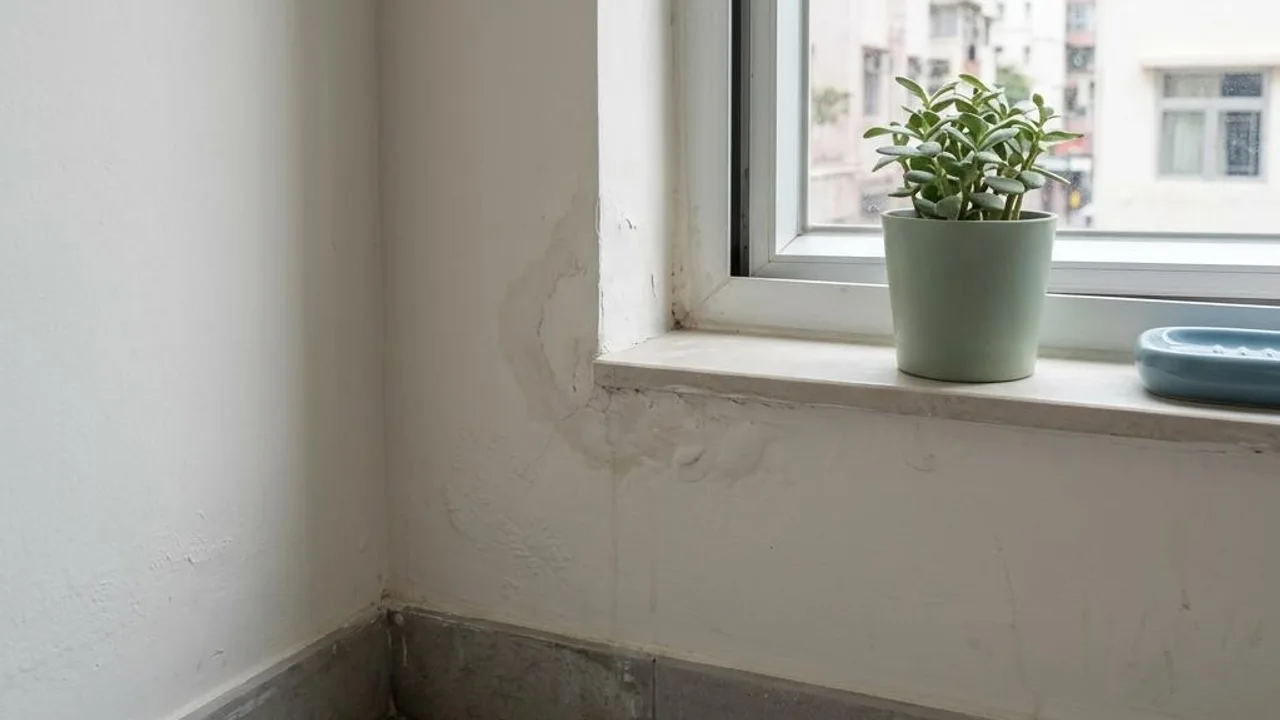
The property inspection service is limited to visible surface conditions. It cannot certify building structure, electrical, gas safety, regulatory compliance, concealed pipes, or waterproofing thickness, nor can it evaluate remaining service life or maintenance effectiveness. Thermal detection only reflects surface temperature differences and is not proof of water seepage causes or concealed structures; inspection tools cannot guarantee the discovery of all concealed defects. Mandatory window inspection is an independent regulatory procedure that must be performed by a registered qualified person under the Buildings Department and is not within the scope of daily property inspection. Professional issues must be referred to qualified personnel; a general inspection is not statutory safety certification.
Owners should not test electrical circuits, disassemble devices, adjust water pressure valves, climb onto roofs, or touch exterior wall windows themselves. Keep objective records of observations, inspection limitations and suggested follow-up actions. This column only provides property inspection advice and does not assume responsibility for structural integrity; any signs of abnormal cracks or leakage must be referred to professionals for risk assessment.
If structural cracks or significant floor tilting are discovered, the owner must immediately photograph and record them and request a formal explanation from the developer. Avoid amateur repairs, as this may affect the determination of responsibility for subsequent maintenance; ensuring all issues are kept in a complete record is crucial.
- Check if there are long cracks in the walls that are not construction joints.
- Check the door and window frame seals for detachment or damage.
- Check for water seepage or damp discolouration on interior walls.
- Observe if there are obvious hollows or unevenness in the flooring.
Safety inspection points for water and electricity systems
If electrical and plumbing facilities are neglected during property inspection, it will be extremely inconvenient after moving in. Regarding the power supply system, tests should be used to confirm that the current of each socket is stable and the residual current device (RCD) is functioning correctly; do not use high-power appliances before professional inspection. All electrical installations must strictly comply with safety regulations to avoid overloading.
The inspection focus for the water supply and drainage system is pressure and drainage speed. During property inspection, all taps should be turned on to check if the water pressure is stable and to ensure that drainage in bathrooms, kitchens, and balcony floors is unobstructed. For pipe joints, also watch for any minute dripping to prevent future issues.
- Test if every socket is energised and the residual current device is working.
- Ensure the water pressure of kitchen and bathroom taps is stable and free from leakage.
- Check if balcony and bathroom drainage speeds are smooth.
- Check for charred marks or abnormal odours in fixed electrical installations.
Accurately identify decoration quality problems
Renovation finish and material quality directly affect living aesthetics and daily use. The property inspection checks for hollow tiles on floors and walls, as large-scale hollow areas may lead to future tile detachment. In addition, the smooth opening and closing of cabinet drawers and the uniformity of paint colour are all within the scope of review.
When performing self-inspections, buyers should pay more attention to details. For example, whether the joints between door frames and walls are delicate, or if there is peeling paint on the ceiling or flatness issues—these are handover defects that the developer must handle. Owners have the right to request rectification and should not sign the satisfactory handover document lightly.
- Use tools to check if there are hollow tiles.
- Check if the opening and closing of cabinets and door leaves are smooth and unobstructed.
- Examine if the wall paint finish is flat and the colour is uniform.
- Confirm that all kitchen and bathroom hardware accessories are free from obvious scratches or damage.
Door and window functionality and hardware inspection
As a key component for wind and rain protection, the opening mechanism and functionality of window waterproof seals are crucial. During property inspection, the window sash should be operated repeatedly to ensure that it slides smoothly and the locks engage tightly. If the window frame shows significant rust or operation difficulties, it may involve window frame installation deviation issues.
In addition to opening/closing functionality, check if the sealant between the window frame and the wall is aged or peeling. If gaps are found at the edges, this could become a path for rainwater ingress. If owners have concerns about the window structure, they should request the developer to provide inspection confirmation and ensure that subsequent maintenance repairs meet quality requirements.
- Check window sash opening and locking functionality.
- Confirm there are no cracks at the connection between the window frame and the wall.
- Check if door locks and hinges are secure.
- Ensure window waterproof rubber strips are complete and undamaged.
Common limitations and norms of property inspection procedures
Professional property inspection is limited to items that can be visually inspected and cannot guarantee the safety of building structures, electrical systems, or gas installations. It also cannot confirm the condition of concealed pipes, the thickness of waterproofing layers, remaining life, or maintenance effectiveness. Thermal imaging only shows surface temperature distribution and cannot be considered proof of the source of water seepage or concealed structures; tools also cannot guarantee finding all hidden defects. Statutory window inspection belongs to an independent inspection procedure that must be handled by a qualified person registered with the Buildings Department and is not within the scope of general property inspection services.
Please do not perform electrical circuit tests, disassemble devices, adjust water pressure valves, or carry out high-altitude work on rooftops or exterior walls yourself. For professional technical issues, please consult relevant licensed professionals.
The property inspection process should remain rational and objective, with all findings recorded. If you encounter issues that are difficult to judge, do not perform any form of modification or disassembly; instead, commission a qualified person to conduct a professional assessment to ensure that the unit's repair process meets safety standards and building regulations.
- The property inspection report is for reference and record purposes only.
- Property inspection service is not equivalent to structural engineering inspection.
- Professional projects must be handled by registered contractors.
FAQs
What should be done if cracks are found on the walls during property inspection?
First, photograph and record the location, length, and width of the cracks. Do not fill them yourself; submit the record to the developer and request an inspection. If the cracks extend to beams or columns, require the developer to commission a qualified engineering professional for assessment; this report cannot guarantee structural safety.
If low water pressure is discovered during property inspection, does this mean there is a problem with the pipes?
Insufficient water pressure can be caused by various reasons, including water supply system settings, valves not being fully opened, or pipe construction issues. It is recommended to request the developer's technical staff to verify and test on-site during property inspection and to check if all shut-off valves are in a normally opened state.
Must all hollow tiles be required to be re-laid by the developer?
The severity of hollow tiles depends on their location and extent. Generally, if the hollow area is large or located in high-traffic corridors, it may lead to tile cracking or detachment; it is recommended to request the developer to perform repairs or re-laying. Owners should negotiate a handling plan with the developer based on the specific extent of the hollows.


