Operating principles of air gap pipes and P-traps
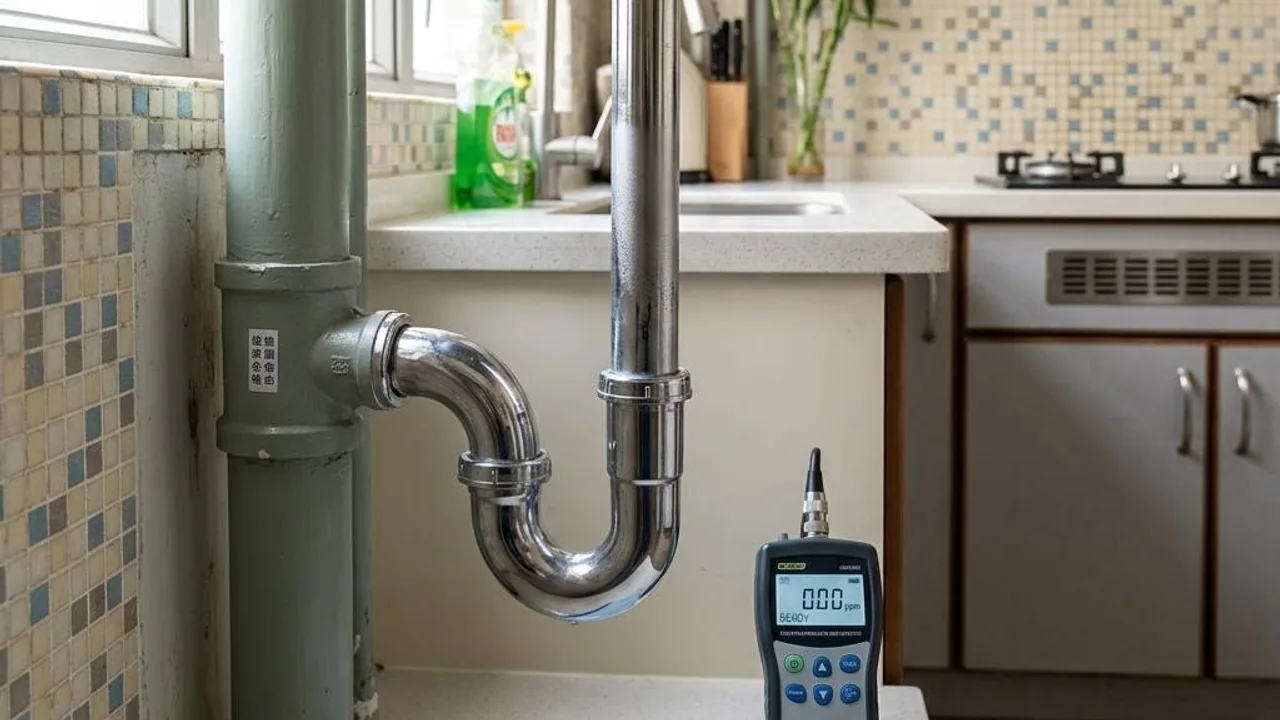
The first line of defence in a building's drainage system to prevent odour backflow is the 'air gap', which is the P-trap. The bottoms of kitchen sinks, bathrooms, and shower areas are usually equipped with U-shaped, P-shaped, or bottle-shaped devices, which form a natural water seal barrier by retaining a certain amount of fresh water in the trap.
This water seal barrier effectively blocks bacteria, odours, and insects from the public underground drainage system from entering the room through the pipes. During the inspection, it is necessary to first identify whether these anti-odour air gap devices are correctly configured at all drainage points.
- Confirm whether air gaps are installed in the drainage system
- Check if the shape and structure of the trap pipes are normal
- Understand the anti-odour mechanism of the water seal barrier
- Verify whether the configuration of each drainage point meets standards
Observation of anti-odour failure due to drying
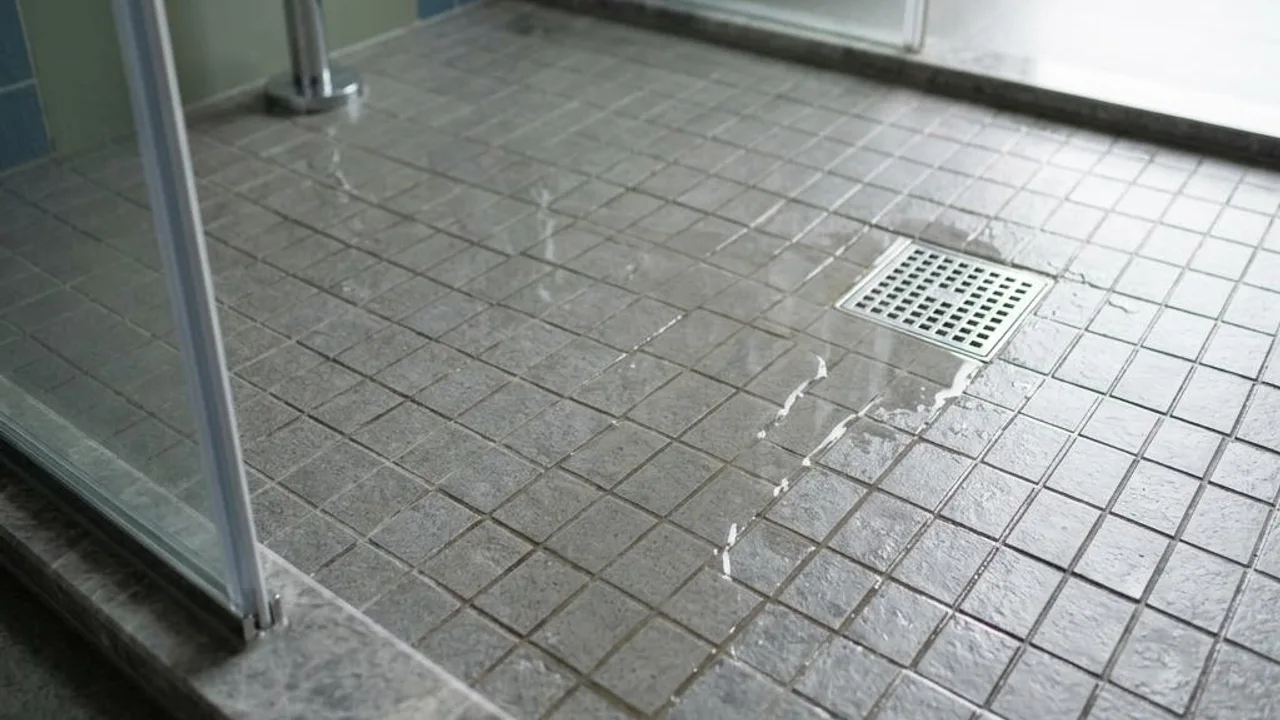
If an old building has been vacant for a long time, or if drainage points such as bathroom floors or washing machine outlets are not commonly used, the water in the air gap trap will dry up due to evaporation. Once the water seal disappears, gases from the public pipes will enter the unit directly.
If owners smell a dull, damp odour while visiting, they should attempt to pour fresh water into all drainage outlets and observe whether the water flow is smooth. This is a method to restore the water seal and also serves as a test to see if the drainage pipes have any serious blockages.
- Note the source of odours in long-term vacant units
- Regularly pour water into unused drainage outlets
- Check if drainage is smooth and unobstructed
- Rule out odours caused by the lack of a water seal
Inspection of pipe connection tightness
The connection points between pipes and cabinet floors or main pipes are often high-risk areas for leaks and odours. New owners should check the bottom of the washbasin cabinet and observe the sealing treatment where pipes pass through the back panel, checking for signs of ageing, hardening, or cracking in the silicone or seals.
If the airtightness at the connection is poor, even if the trap has a water seal, odours can still escape from the joints. During the inspection, pay attention to whether there are gaps or mould traces at the joints, as these are signals of insufficient protection.
- Carefully examine the pipe connection points through the wall
- Check if the sealing glue or rubber rings are aged
- Look for any gaps where gas may leak
- Ensure that the places where pipes pass through panels are sealed
The impact of unit modifications on pipe pressure
In old buildings, it is common for previous owners to have altered the drainage themselves, such as removing a bathtub to build a shower stall. If anti-siphon valves were not correctly installed during construction or if ventilation pipes were cut, changes in pipe air pressure when someone upstairs drains water may suck away the water seal within the unit.
When checking the drainage, if you hear an abnormally dull gurgling sound from the pipes, this usually implies that the air pressure balance system design within the pipes has loopholes, which may cause the air gap function to intermittently fail.
- Note whether there are abnormal gurgling sounds during drainage
- Confirm whether anti-siphon valves are installed
- Check if there are any illegal modifications to ventilation pipes
- Assess the legality of old drainage modifications
The difference between self-handling and professional inspection
Some owners tend to temporarily cover up problems with cleaning agents or anti-odour cores; however, this is merely a surface repair. If the odour originates from blockage in the building's main sewer, insufficient ventilation, or deep-seated seepage, surface treatment will recur in the short term.
Because most drainage pipes are hidden within walls or ceilings, it is difficult to assess the health of public sewer pipes with the naked eye alone. When facing the complex structure of old buildings, choosing a professional inspection is the safest method to ensure living safety and avoid repetitive work.
- Recognise the difference between surface covering and fundamental repair
- Understand the inspection limitations of concealed pipes
- Avoid recurrences caused by incorrect handling
- Providing a reliable basis for major maintenance decisions
FAQs
Why do the drainage pipes in my home make gurgling sounds from time to time?
This is usually a sign of an issue with the air pressure balance in the drainage system. When the air pressure in the building's main communal pipe fluctuates, if the unit lacks sufficient ventilation facilities or an anti-siphon valve, it will draw out the water seal in the trap, causing the pipe to emit strange noises and leak odours.
Why do the drains smell when an old flat has been vacant for a long time?
Long-term vacancy can cause the water seal in the trap to evaporate and dry out, resulting in a loss of its sealing function. It is recommended to regularly pour clean water into the drain. If the problem persists, you need to check whether the pipes are aged and cracked, or if the seals have loosened.
If a leaking trap is discovered, how should the owner deal with it?
Owners should first observe whether the leak originates from the connection point or the pipe itself. If it involves pipes within the wall or if the source cannot be determined, it is advised to stop DIY repairs and commission a licensed plumber or professional engineer with relevant expertise to conduct a detailed inspection.