Hidden seepage risks behind renovation
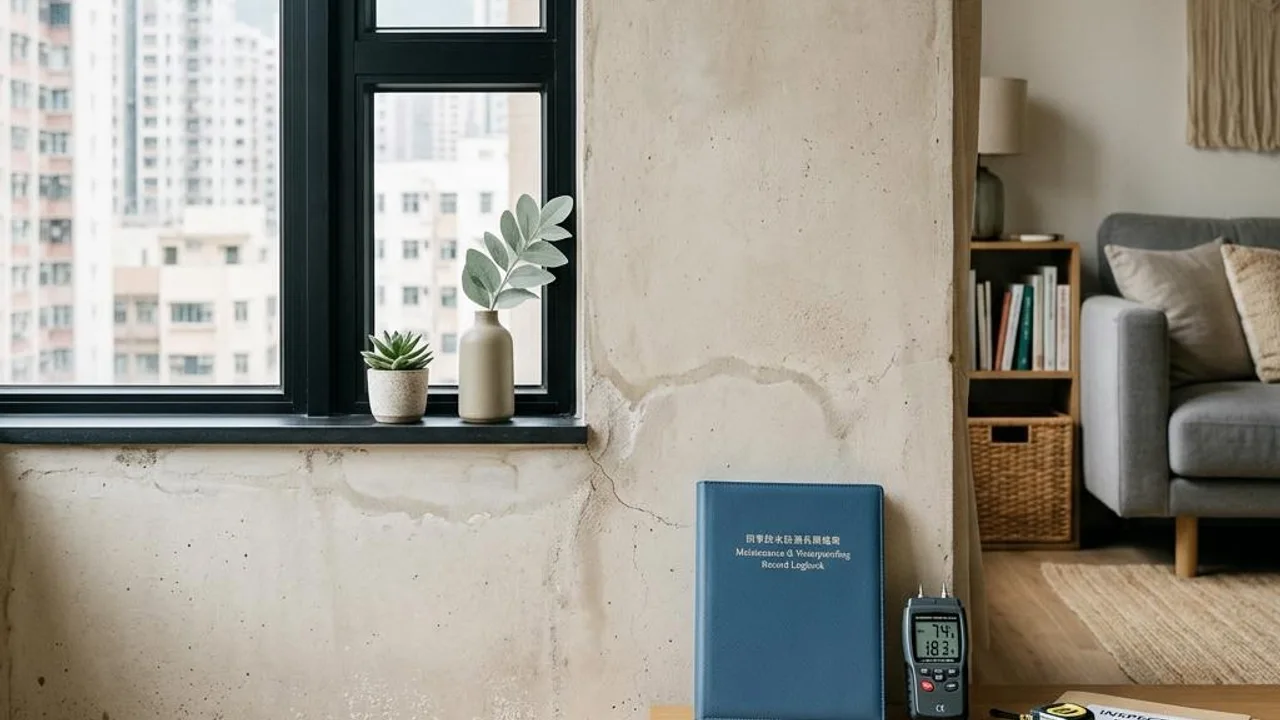
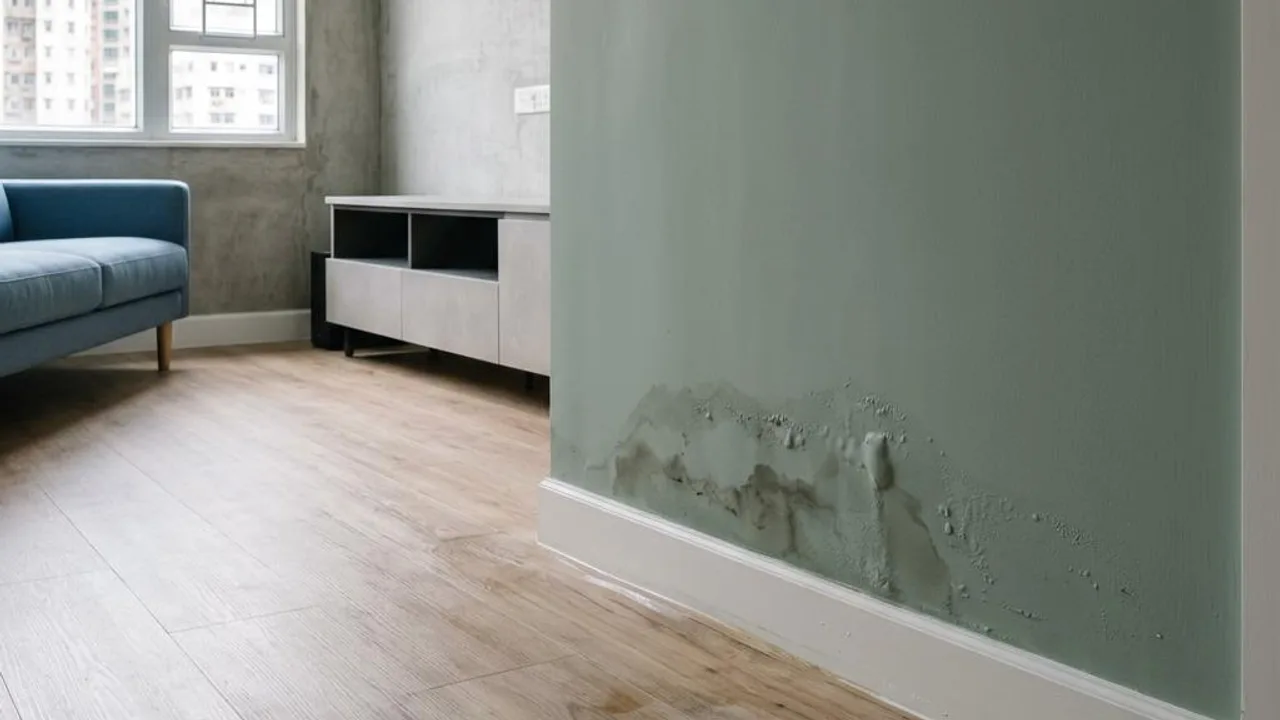
Renovated second-hand properties are often beautified with refreshed paint and wallpaper. However, if the unit has exterior wall cracks or failed window sill waterproofing, water will seep through the structure. New paint creates a barrier layer that traps moisture inside the wall, leading to long-term plaster softening, mould growth, and paint blistering—problems often invisible to the naked eye at the time of handover.
Wall seepage is usually a slow, cumulative process. When inspecting a unit, owners need to remain highly vigilant regarding the junctions between walls and window frames, as well as ceiling corners. If you discover slight colour deviations or loose textures in specific areas, do not take them lightly even if the exterior has been renovated; you should arrange for professionals to conduct moisture tests.
- Slow seepage caused by micro-cracks in exterior walls
- Risk of failed window sill waterproofing
- Moisture accumulation covered by new paint
- Powdering of plaster inside walls
Risk analysis of hidden kitchen and bathroom pipes
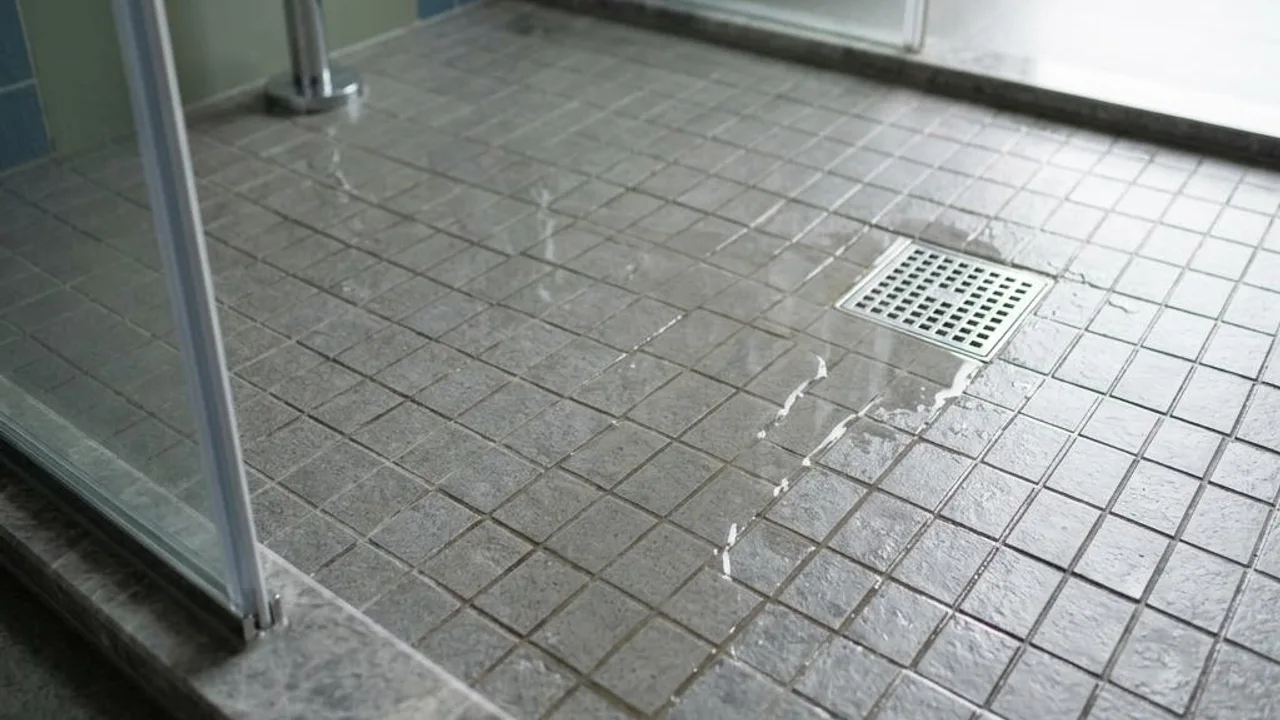
Kitchens and bathrooms are the areas with the densest water and electrical conduits in a residence. Many second-hand renovated units have only had the surface sanitary ware replaced, without addressing the old structural pipes. Long-term thermal cycling and vibrations easily lead to the ageing of internal metal pipe joints or rubber seals, triggering hard-to-detect hidden seepage that may have already damaged the waterproofing layer by the time it is discovered.
Furthermore, if the kitchen and bathroom wall or floor tiles are hollow, moisture will accumulate behind the tiles when internal seepage occurs, further deteriorating the adhesion. This hazard not only affects aesthetics but may also necessitate large-scale dismantling in the future to completely eradicate the source of the seepage, which is extremely costly for new residents.
- Risk of ageing metal pipe joints
- Hidden leaks in supply and drainage pipes are difficult to notice
- Impact of damaged bathroom waterproofing on the structure
- Risk of cracking caused by tile hollowness and water accumulation
Identification of structural modifications and material transitions
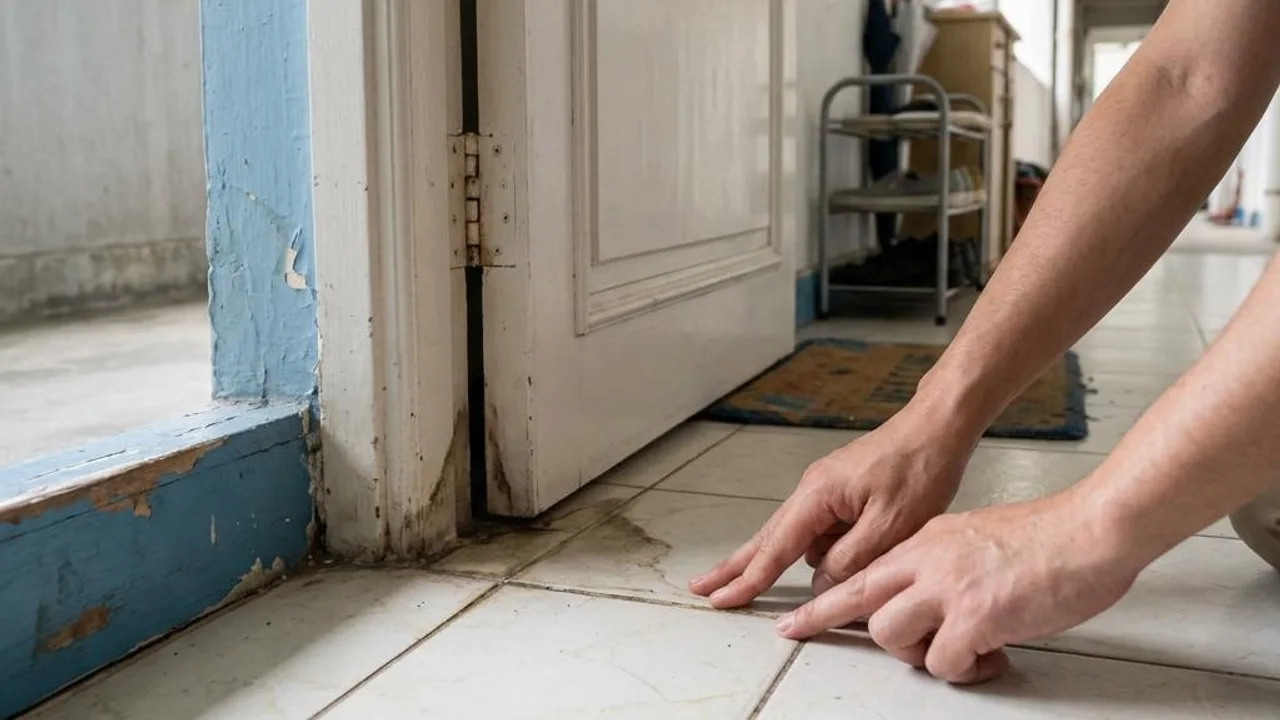
When purchasing a renovated unit, you must compare it against official floor plans to confirm if there are any major partition changes, such as open-plan kitchens, removal of load-bearing walls, or the addition of heavy storage units. These modifications are often points of stress concentration in a building; because new and old materials have different expansion coefficients, gaps easily appear under long-term stress.
Owners should pay special attention to the wall and floor joints at these modified locations, observing whether any micro-cracks have appeared. Even if the renovation looks beautiful, the deformation at these structural junctions reflects the settlement or stress state of the building's foundation and is a key indicator for judging the long-term stability of the unit.
- Verify partition changes against official floor plans
- Identify the junction between new and old wall materials
- Note the stress placed on the floor by heavy fixtures
- Observe changes in micro-cracks at skirting boards
Using professional equipment to detect hidden hazards
Regarding the 'visual illusion' of renovated units, it is often difficult to accurately judge internal quality based solely on visual inspection. Professional inspection teams are equipped with infrared thermal imaging cameras, moisture meters, and percussion tools that can penetrate the surface decoration to detect hidden moisture diffusion paths and structural details. These precise inspections provide real-time data to reveal issues invisible to the naked eye.
Hiring a professional team to inspect a second-hand property can help owners understand the unit's status and identify potential risks, facilitating the formulation of appropriate repair plans and reducing future disputes. Such inspections are limited to the visible indoor range and do not involve professional certification of structural safety, electrical systems, gas pipes, waterproofing layer thickness, or hidden works, nor can they predict the remaining life of equipment. Thermal imaging only reflects surface temperature differences and does not represent the cause of leakage or the reality of the hidden structure; testing tools do not guarantee that all hidden defects will be found. Mandatory window inspection is the professional domain of Buildings Department registered personnel and is not part of this service.
If potential issues involving structural or electromechanical systems are found, you should consult a registered engineer or professional licensed personnel; owners must not dismantle fixtures or perform any dangerous tests themselves.
- Detecting leaks with infrared thermal imaging
- Checking wall humidity with moisture meters
- Evaluating the quality of hidden structures with professional tools
- Providing objective data as a basis for defect rectification
Measuring the economic benefits of risk assessment
Before buying a second-hand unit, it is crucial to rationally weigh the potential repair risks and economic benefits. If one is overly indulged in superficial beautification and ignores the state of hidden water, electricity, and waterproofing layers, the subsequent costs for scaffolding, waterproofing, and restoration after moving in could be several times higher than the initial inspection expenses.
Taking proactive professional inspections not only reduces maintenance pressure after moving in but can also serve as bargaining leverage. Owners should include hidden risks in their overall property purchase cost assessment and objectively plan future living and maintenance expenses using professional inspection data to safeguard the safety and value of the asset.
- Regarding hidden works in renovated second-hand properties, it is suggested that one should consider the potential time costs and associated risks required for repairs. General home inspection services are limited to visible conditions and cannot guarantee structural, electrical, or gas safety, compliance, the condition of hidden pipes, or the thickness of waterproofing layers, nor can they predict remaining service life. Thermal imaging shows surface temperature distribution and cannot be taken as absolute evidence of the cause of leakage or hidden structure. Statutory window inspections are a separate procedure and must be carried out by qualified persons registered with the Buildings Department. If structural or safety concerns are found, please seek advice from professionals. Never attempt to perform electrical tests, dismantle fixed installations, adjust water pressure valves, or perform work at height or on exterior walls yourself.
- Factor potential repair costs into your property budget
- Use professional reports as a basis for bargaining
- Avoid large-scale repair projects after moving in
FAQs
Why might there still be a risk of seepage even if the freshly renovated wall surface is intact?
New paint or wallpaper often covers up fine cracks or mould marks on the wall surface. If the exterior waterproofing layer has failed, moisture will be trapped within the paint layer. This may not be immediately noticeable to the naked eye and requires a professional moisture meter to measure the wall's water content to confirm.
Does hollowness in kitchen or bathroom tiles necessarily mean there is a leak?
Tile hollowness reflects separation between the adhesive layer and the wall or floor. While this does not necessarily mean there is a leak, if a hidden pipe develops a slow seep, the hollow areas easily accumulate moisture, causing the tiles to expand or detach. We recommend commissioning professional personnel to inspect the structural condition as soon as possible.
How should minor structural cracks found during a property inspection be followed up?
The owner should observe whether cracks are located at structural junctions and compare them with the official floor plans to confirm if there have been any alterations. If cracks continue to widen or are accompanied by signs of water seepage, the locations should be documented and a professional requested to carry out an in-depth structural assessment; avoid handling this yourself.