Ageing principles of aluminium window waterproof seals
Waterproof seals for aluminium windows often use EPDM rubber or silicone, which are mainly responsible for sealing the fine gaps between the aluminium frame, the glass, and the external wall. These materials are exposed to Hong Kong's outdoor environment for many years, enduring long-term UV radiation and drastic temperature changes, which causes irreversible changes in their polymer structure, leading to performance degradation.
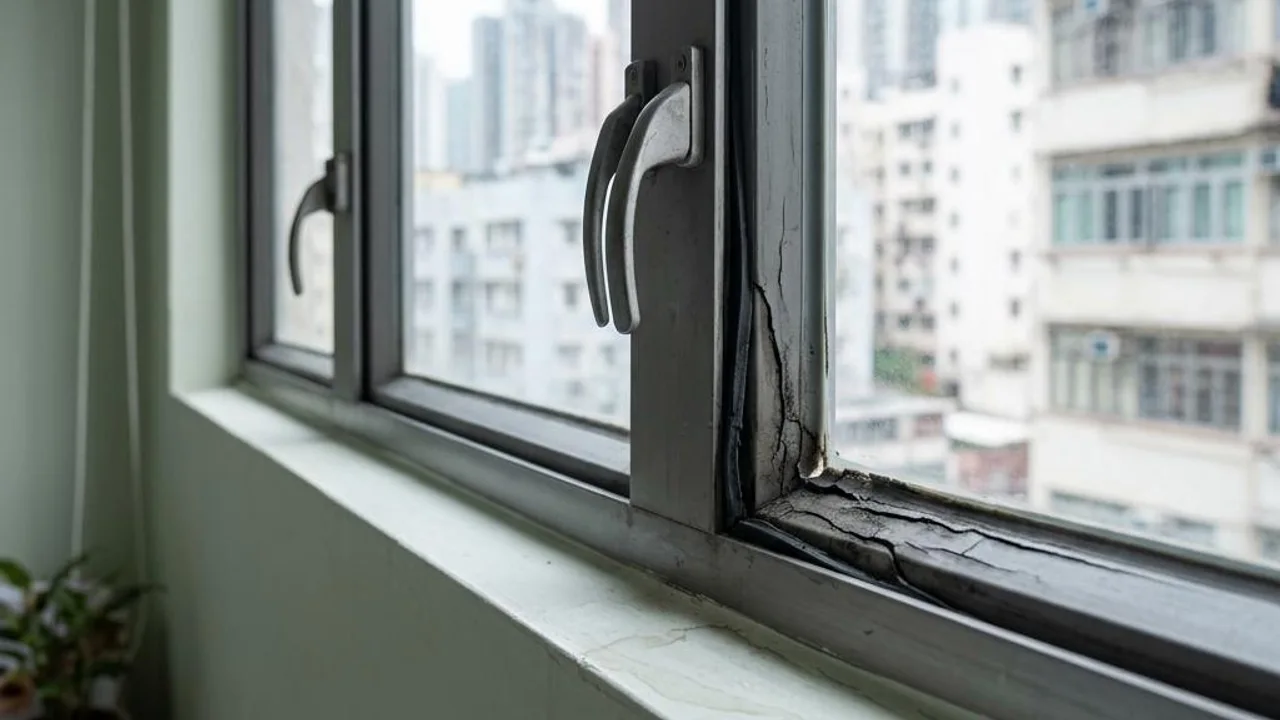
During the physical change process, the seals gradually lose their original elasticity and flexibility. Early signs include shrinkage and hardening; as ageing intensifies, the seals may crack, break, or detach from the window frame, thereby losing the ability to block water intrusion. This is one of the main sources of water seepage in aluminium windows of old buildings.
- UV radiation leads to rubber brittleness
- Wind pressure causes seal deformation and pulling
- Long-term cold and heat cycles trigger material hardening
- Chemical ageing leads to loss of resilience
Scientific surface screening procedures
Assessing the waterproofing of old building aluminium windows requires a systematic physical screening process. Technical personnel will observe the fit state of the seals and the connection joints with the external wall, recording any obvious signs of pulverisation, hardening, or separation from the substrate, which is a fundamental step in identifying seepage hazards.
In addition to visual inspection, the professional team will conduct a local high-pressure water jet test. This test requires the homeowner to arrange in advance and obtain relevant permits to simulate rainwater spray during extreme weather. Through real-time monitoring of the inner wall, they can scientifically verify whether there are tiny leakage points that are invisible to the naked eye.
- Check the integrity of waterproof seals
- Verify the pulverisation status of the sealant
- Perform simulated rain leakage testing
- Record signs of corrosion on window frame hardware
Maintenance strategy and structural safety correlation
Regular inspection of aluminium window waterproofing is not only about solving seepage problems but is also key to safeguarding building structural safety. If seals lose their sealing function, rainwater easily infiltrates the wall structure and corrodes fastening screws; in the long term, this will cause window sashes to become loose, and may even trigger serious safety accidents during strong winds.
Preventive local repairs can effectively reduce maintenance costs and extend the overall service life of the aluminium windows. Good protective measures can shield home wall surfaces from moisture and mould growth, creating a healthy and high-quality indoor living environment that reflects the spirit of modern home maintenance.
- Replace aged seals in a timely manner
- Reinforce loose window frame hardware
- Keep aluminium frame drainage holes clear
- Reduce the risk of wall dampness and mould
Professional property inspection and testing service scope
Handling inspections of aluminium windows in old buildings involves high-altitude safety and building physics knowledge. Homeowners should entrust a professional team to perform assessments rather than relying solely on personal observation. Experts are equipped with devices such as infrared thermal imaging cameras, which can precisely find the source of water seepage without damaging the structure and provide objective inspection reports.
Professional inspection usually covers a comprehensive screening from the window frame edges to the connection point with the external wall. This helps homeowners clarify whether the water leakage stems from seal hardening or if ageing has occurred in the connection gaps between the window frame and the wall, enabling targeted repair work.
- Provide all-round seepage risk screening
- Utilise professional instruments for non-destructive testing
- Rigorous review of external wall sealing conditions
- Issue professional analysis reports for homeowners
Daily observation points for home windows
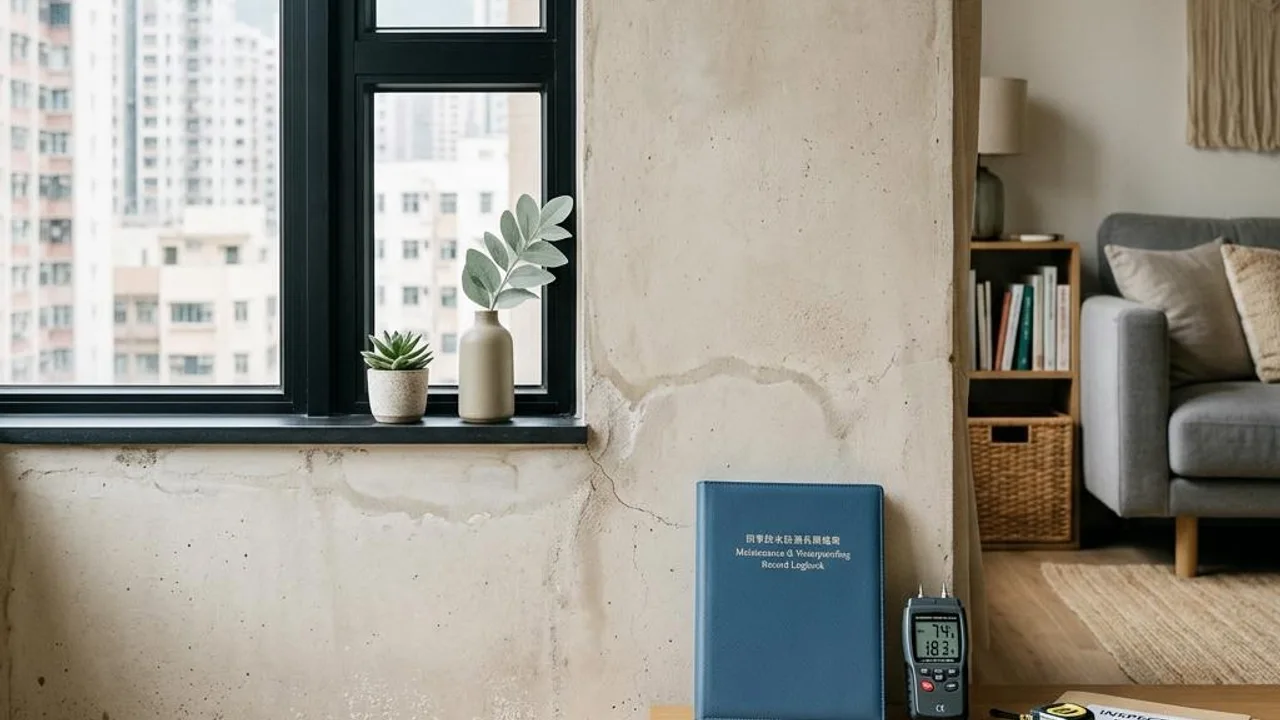
As a homeowner, you can observe the inner side of your windows yourself before the rainy season arrives. If you find water stains on the window sill or see gaps in the seals with the naked eye, this is usually a direct signal that the aluminium window's waterproofing has failed. Discovering these changes early can prevent moisture from infiltrating the wall structure over a long period.
Furthermore, check the feel when opening and closing windows. If you find the window sashes are sagging or difficult to fit snugly against the frame, this is not just an issue with the sealing rubber; it may involve loose hardware. In this instance, record the relevant locations and engage a professional to conduct a structural inspection; avoid attempting to force adjustments yourself.
- Check for persistent water stains around the window.
- Touch the rubber seals to see if they have lost their elasticity or have become powdery.
- Observe whether the window sash and frame are fitting tightly together.
- Inspect the wall paint for peeling or mould spots.
FAQs
How do you determine if window leakage is caused by ageing rubber seals or damage to the window frame?
Ageing rubber seals typically manifest as hardening, brittleness, or detachment, with clear fractures in the sealing layer; if leakage is concentrated at the corners of the window frame or where it connects to the wall, it may involve the structure of the window frame or issues with the external wall waterproofing, requiring investigation via a professional high-pressure water jet test.
How should owners prepare when seeking professional assistance?
Owners should first record the frequency and specific locations of the leaks, and take photographs of the current state around the seepage. Additionally, ensure there is appropriate access for personnel to conduct inspections, and understand the building's permission requirements for external wall repairs so that professionals can enter to evaluate the situation.
Does replacing the aluminium window rubber seals permanently solve leakage problems?
Replacing rubber seals is a form of maintenance targeting sealing performance and can effectively resolve leaks caused by ageing. However, if the leakage is caused by deformation of the metal frame structure or rupture of the external wall waterproofing, replacing the rubber seals only provides a temporary mitigation. It is recommended to use professional inspection equipment to confirm the root cause of the leak.