
Scope and objectives of DIY property inspections
For homeowners, conducting a DIY property inspection on a new home is a useful reference for budget control and getting familiar with the property's condition. If time permits and the unit's renovation is relatively simple, homeowners can perform a preliminary check on visible details to ensure the basic handover quality meets expectations.
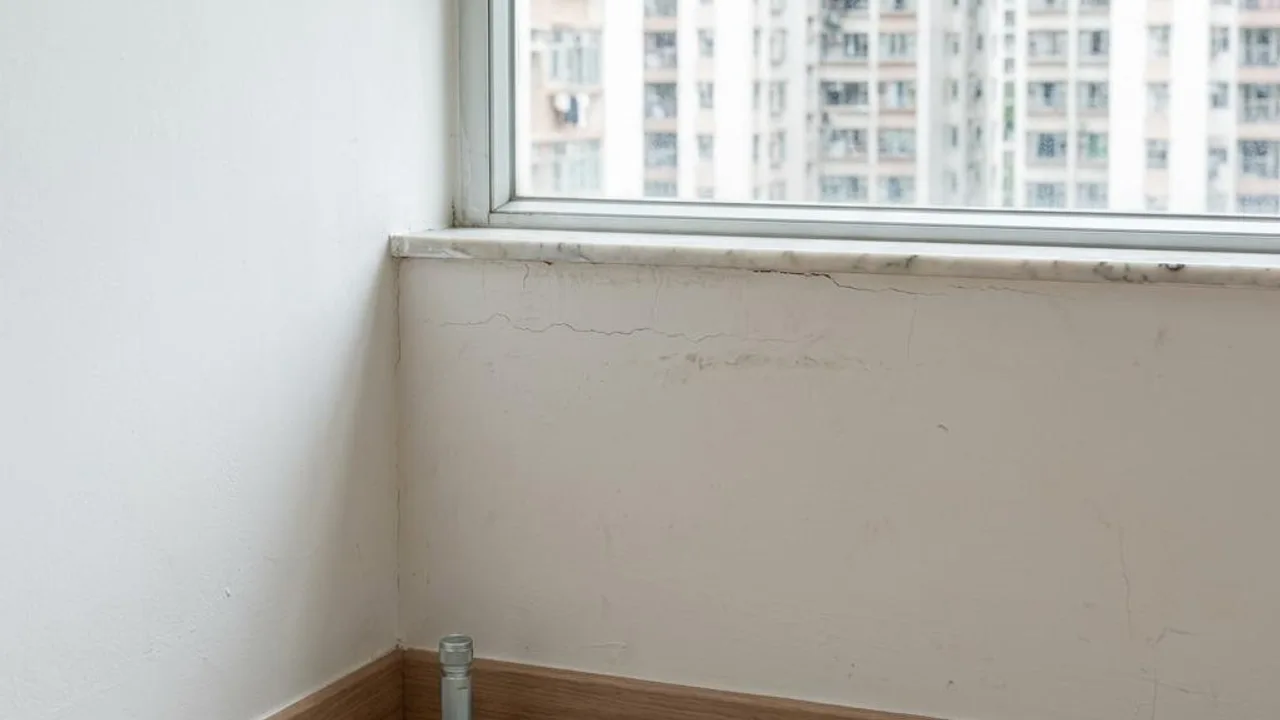
DIY inspection priorities usually focus on wall surface textures, floor tiling craftsmanship, and the operation of hardware fittings. This helps homeowners quickly grasp the unit's cleanliness and basic quality of work, serving as an important reference for providing initial feedback to the developer or renovation company.
- Check whether the paint is peeling, uneven, or has cracks
- Confirm whether wall surfaces and floor tiles have obvious scratches or chipped corners
- Test whether door and window hardware and cabinet door hinges operate smoothly
- Check whether the skirting boards are installed tightly
Preparation and application of basic detection tools
When performing a simple property inspection, preparing suitable auxiliary tools can improve efficiency. A metal tapping rod is a common tool for checking hollow tiles or plaster problems throughout the unit. By listening for changes in the tapping sound, one can make a preliminary assessment of whether there is separation between the finish and the substrate.
In addition, a high-lumen torch is crucial for checking dark corners in kitchens and bathrooms, ceiling edges, and the undersides of cabinets, effectively improving visibility for observing details. Pairing this with a camera to record the defects found can provide clear photographic evidence for subsequent defect rectification coordination.
- Metal tapping rod (hollow tile test)
- High-lumen torch (illumination for dark areas)
- Yellow masking tape (marking locations)
- Socket circuit tester (basic electrical test)
- Sales floor plan (checking configuration)
Identification and standardised recording of surface defects
When checking the layout configuration, be sure to cross-reference the sales brochure with the unit plan to ensure that the spatial layout, power socket locations, and drainage outlets are consistent with the contract terms. If any suspected defects are found, use masking tape to mark the target location and take photos for filing to facilitate future tracking.
Records should be kept objective, capturing the full scope of the defect and its relative position in the room as much as possible. These intuitive records not only improve communication efficiency with contractors but also protect the homeowner's right to request defect rectification within the contract period.
- Cross-check the contract to confirm electrical appliance models and locations
- Mark locations of damaged wall paint and finishes
- Take photos to retain evidence of all observed defects
- Check the integrity of window seal gaskets
Identification difficulties and limitations of hidden works
The greatest limitation of DIY property inspection is the inability to access the core of hidden works, and it cannot provide safety certifications for structural, electrical, or gas systems. For example, the smoothness of drainage pipes, the integrity of waterproofing layers inside ceilings, and whether the electrical system's earthing protection complies with standards are all difficult to judge through simple visual or tapping inspections. Thermal imaging cameras only display surface temperature distribution and cannot be considered direct evidence of the cause of water leakage or hidden structural issues. For items involving building safety, the Mandatory Window Inspection Scheme, or projects requiring in-depth testing, you should consult registered professionals; do not attempt to dismantle electrical devices, touch external window walls, or adjust water pressure valves yourself.
If these potential hazards are ignored, abnormalities may be difficult to detect in the short term, but in the long run, they could lead to issues like water seepage, electrical leakage, or tripping circuit breakers, and maintenance costs may also increase significantly. For internal issues that cannot be judged by the naked eye, homeowners should seek professional assistance.
- Blockage risks inside drainage pipes are difficult to judge visually
- Integrity of the waterproof layer requires special testing instruments
- Electrical load capacity needs to be measured by a professional electrician
- Hidden pipe connection points are difficult to inspect
The necessity of professional assessment in the property inspection process
When a property involves complex renovations or structures, entrusting a professional team is a wiser choice. Professionals possess specialised instruments and extensive experience, enabling them to provide homeowners with comprehensive and accurate inspection reports, which are key to addressing long-term seepage or electrical safety issues.
Through professional inspection procedures, you can effectively reduce uncontrollable costs caused by hidden issues after moving in, and provide a credible technical basis for subsequent defect rectification.
- Professional equipment for precise seepage risk detection
- Systematic property inspection standards to protect your home ownership rights
- Targeted reports provide an effective basis for defect rectification
- Reduce uncontrollable maintenance costs after moving in
FAQs
When using a tapping rod to check walls yourself, does hearing a hollow sound mean the plaster will definitely fall off?
A change in tapping sound indicates a separation between the finish and the substrate. The specific situation depends on the range and location of the separation; it is recommended to mark the area and consult a professional to assess structural safety and defect rectification plans.
If kitchen drainage is slow during a DIY inspection, can the homeowner try to clear the drain themselves?
It is not recommended to force a clearance yourself to avoid damaging hidden pipe connections or causing leakage. It is recommended to record the specific location and the degree of slowness, and notify the estate management office or the developer to conduct a professional investigation and clearance.
How should I handle it if I suspect an electrical leakage from a socket in the unit during my DIY inspection?
If a tester reveals electrical abnormalities in a socket, please stop touching or using that socket immediately. Do not perform any DIY repairs or dismantling, and contact a qualified electrical professional to perform an in-depth inspection.


