
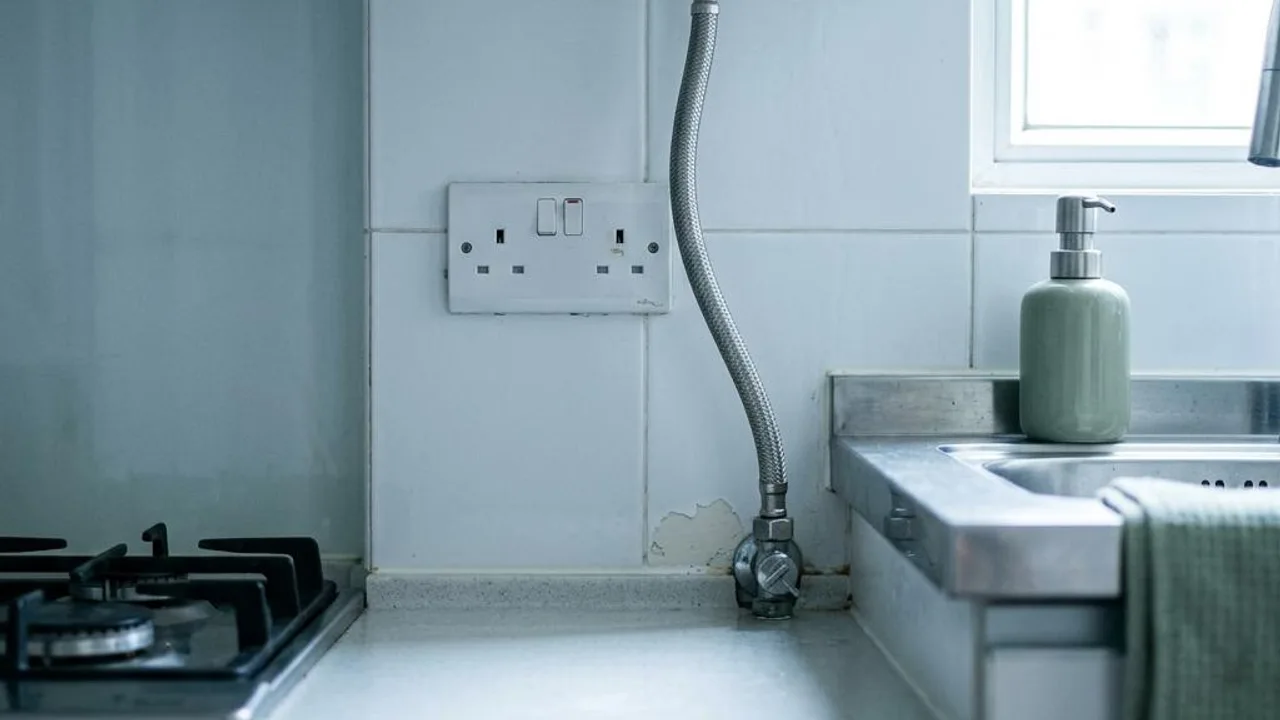
Importance of pre-handover inspection: Preventing hidden wear and tear
When renting a new or secondary property, a thorough inspection before the handover is a crucial procedure for tenants to protect their own interests. Many housing issues, such as air conditioner energy consumption, blocked drainage systems, or slight wall water seepage, are difficult to observe from the outside while the property is vacant. If these are not tested before moving in, it becomes difficult to clarify maintenance responsibilities later.
Identifying existing equipment problems in advance not only avoids the embarrassment of discovering unusable equipment after moving in, but also allows you to request that the landlord repair them or keep a record at the start of the tenancy. This proactive screening is the most effective way to ensure living quality and maintain the rights of both parties.
- Avoid discovering equipment failure only after moving in
- Clarify maintenance responsibilities to avoid tenancy disputes
- Ensure air conditioners and electrical installations operate normally
- Verify basic drainage and water pressure functionality
Electrical system testing: Socket and air-conditioner inspection
Electrical safety is a focus of the inspection. One should turn on all indoor lights and sockets one by one to ensure circuits are working properly. For air conditioners, switch to cooling mode to check if there is sufficient cooling capacity and observe if the indoor unit is dripping water. High-power appliances like air conditioners and electric water heaters should not share power strips and should be connected to independent sockets.
If tripping or charred smells are found at sockets during testing, record them immediately. According to safety guidelines, any installation or modification of fixed electrical installations must be handled by a registered electrical contractor. If complex circuit problems arise, do not attempt repairs yourself; request the landlord to arrange for a registered professional to follow up.
- Verify if light switches function normally
- Test air conditioner cooling capacity and check for dripping
- Check wall sockets for charring or damage
- High-power appliances must be paired with independent sockets
Water system investigation: Water pressure and drainage flow
When testing water, turn on kitchen and bathroom taps simultaneously to check if water pressure is stable and hot water output is normal. The drainage test is a key observation point; block the basins and floor drains, fill them with water, and release it at once to see if the water flows smoothly. If drainage is slow, it may indicate a risk of pipe blockages.
Tenants should also watch out for connections under the tap and the space inside the cabinets to check for signs of seepage. Long-term blockages in drainage pipes can cause foul odours; if problems are discovered, notify the landlord early for resolution to avoid cleaning difficulties after moving in.
- Test tap water pressure and hot water supply
- Perform drainage test to check pipe flow
- Observe for signs of seepage under the sink cabinet
- Confirm if there is water accumulation in floor drainage areas
Inspection of door/window seals and structural safety
The smoothness of aluminium windows and main door opening/closing directly affects daily living experience. During inspection, slide all windows to ensure locks are intact and there is no abnormal friction. If there are obvious gaps at the window frame edges or known ageing of sealing strips, point these out and record them immediately.
For high-rise units, aluminium window safety is crucial. Tenants should observe if window locks can be fully fastened to avoid noise or air leaks during strong winds. Note that aluminium windows are part of the building structure; if windows are found to have obvious deformation, wobbling, or missing screws, you must require the landlord to appoint a qualified person for inspection; do not attempt forceful repairs yourself.
- Check functionality of all door and window locks
- Test if sliding windows open and close smoothly
- Pay attention to whether there are air leakage traces around windows
- Confirm if the window structure has any obvious damage
Recording and handover: Protecting tenant rights
During the inspection process, proper photographic documentation is key to safeguarding the interests of both parties. For defects discovered, such as wall scratches, floor damage, or furniture wear, be sure to take high-quality photos before moving in and include them in the handover checklist. These image records serve as proof when moving out that damage was not caused by the tenant's improper use.
It is recommended that tenants confirm these inspection items with the landlord or estate agent, and record the defects on a list in writing for both parties to sign and confirm. Doing so makes the division of responsibilities clearer and avoids disputes over repair costs when moving out.
- Take detailed photos of all defects
- Create a written handover checklist and archive it
- Ensure the current status record is confirmed with the landlord
- Use records to prove the original state of the property when moving out
FAQs
If charred marks are found on sockets during inspection, how should the tenant handle it?
The tenant should immediately record the location of the socket and take clear photos, then notify the landlord to arrange a professional inspection by a registered electrical contractor; do not dismantle or attempt to repair it yourself.
Does slow drainage found during testing definitely represent a serious blockage?
Slow drainage may indicate accumulations inside the pipe or a risk of blockage; the tenant should record this observation on the handover list and require the landlord to deal with it before handover to prevent foul odours or backflow after moving in.
If aluminium windows are found to be wobbling, does it mean the window is about to fall off?
Wobbly aluminium windows are a structural safety issue. Tenants should stop pushing or pulling the windows and inform the landlord. The landlord must appoint a qualified person to inspect the windows to confirm their structural integrity and the condition of the hardware.


