
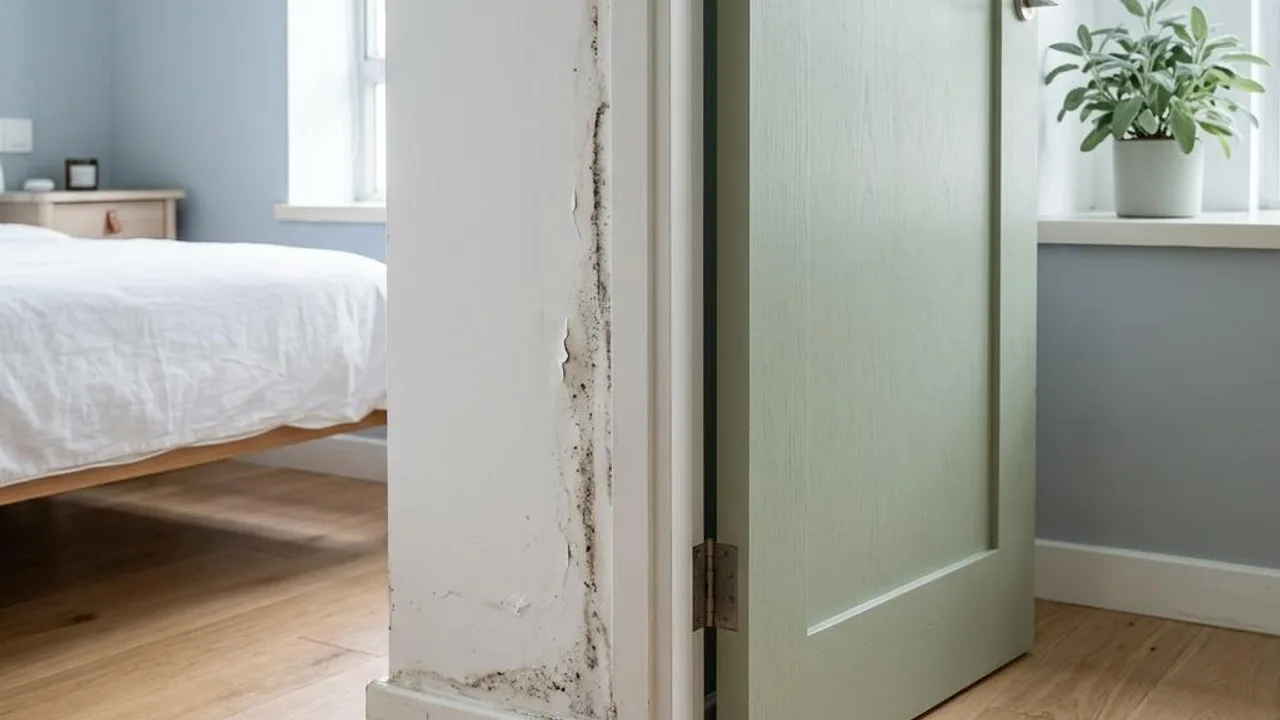
Property inspection is the first line of defence in protecting your assets.
Purchasing a property is a major life investment. The handover process is not merely a delivery event, but a vital line of defence for exercising owner rights and protecting asset value. Many property defects are not immediately obvious upon moving in; ignoring a professional inspection may bury long-term maintenance risks, leading to unnecessary financial loss.
The property inspection process should be carried out systematically, covering structural appearance, electrical/mechanical equipment, and waterproofing. For first-hand residential properties, completing a proper inspection helps ensure developers fulfil their responsibilities within the warranty period, preventing maintenance costs from being passed on to the owner later.
- Identify potential structural issues or seepage hazards.
- Verify the operational status of electrical and mechanical installations.
- Lock in the developer's repair responsibilities during the warranty period.
- Avoid paying for repairs out of pocket due to improper usage.
Identify hidden structural and electrical hazards early.
Residential problems are often hidden beneath the surface and difficult to detect with the naked eye, necessitating the use of professional instruments for auxiliary detection. For example, whether there is seepage inside a wall or minute cracks in pipe connections: these problems may initially appear only as slight moisture, but over time, they can evolve into large-scale mould on walls or even affect the structural integrity of the units below.
Furthermore, the safety of electrical and mechanical equipment cannot be ignored. OPO Inspection aims to ensure stable power supply and prevent overloading. Owners should watch for risks such as unstable circuit connections or power strip overloading, and check wall verticality and floor flatness, which are crucial for the future installation of large furniture and overall quality of life.
- Check whether window sills and bathroom waterproofing layers are effective.
- Monitor pipes for signs of micro-seepage.
- Verify whether electrical installations meet safety standards.
- Assess the verticality of walls and flatness of floors.
Utilise the warranty period to clarify maintenance responsibilities.
New properties usually come with a fixed warranty period; this stage is the golden window for owners to protect their rights. If a defect rectification list is detailed and submitted at the time of handover, the developer is responsible for repairing relevant defects free of charge. If checks are missed, it often becomes difficult later to determine whether issues are due to construction quality or improper use, and repair costs may fall on the owner.
Locking in responsibilities at the handover stage ensures that repairs are borne by the developer. This not only reduces the complexity of follow-up communication but, more importantly, provides owners with strong evidentiary grounds for negotiation, preventing the shifting of responsibilities and ensuring the quality of the new home's delivery.
- Make good use of warranty rights and implement a defect rectification list.
- Record construction quality issues to avoid future disputes over liability.
- Require the developer to be responsible for standard-compliant repair works.
Save on long-term maintenance and renovation budgets.
Meticulous property inspection services can effectively reduce extra expenses after moving in. If hollow wall tiles or loose plaster are detected early before formal renovation works begin, one can request the developer to address them first, avoiding the need for remedial cement work during the renovation process and effectively saving valuable renovation budget.
Repairing seepage issues early can also prevent them from deteriorating into structural damage, saving on future high professional testing and repair costs. A property inspection is essentially a preventive expense; by acting as a gatekeeper during handover, it allows for a smoother life in the coming years and prevents small problems from accumulating into major repair projects.
- Avoid damage to walls and furniture caused by water leaks.
- Address hollow spots in advance to avoid affecting later renovation projects.
- Reduce long-term repair expenditure for structural damage.
Inspection tools and procedures used by OPO Inspection.
Although owners can observe the appearance themselves, due to a lack of professional testing instruments, it is easy to miss hidden hazards. The OPO Inspection process uses scientific auxiliary tools for evaluation; these tools detect abnormal conditions in hidden areas, providing objective reference data for subsequent repair recommendations.
The professional team uses precision tools such as infrared thermal imaging cameras, electronic moisture meters, and laser levels, which assist in detecting water seepage paths invisible to the naked eye and potential electrical problems. Through these procedures, owners receive a detailed defect record list as powerful evidence for communicating with the developer.
- Use professional instruments to perform non-destructive evaluation.
- Provide an assessment report containing detailed defect records.
- Clarify hidden water seepage tracks that are difficult to spot with the naked eye.
FAQs
I found light water stains on the wall during the property inspection; how should I handle it?
Owners should immediately photograph and record the location of the water stains and list them in the defect rectification list. It is recommended to ask the developer to perform professional testing to determine the source of the seepage and repair it; do not paint over it yourself, as this may affect the validity of holding the developer accountable during the warranty period.
Must an inspection of a new property include electrical testing?
Yes. The safety of the electrical system is directly related to daily life and the lifespan of home appliances. A professional electrical inspection ensures that sockets are wired correctly and power supply is stable, avoiding fire risks caused by circuit overload or electrical leakage, and should be considered a necessary item for handover inspections.
What should I do if the developer refuses to address the defect rectification list I submitted?
Owners should request a written explanation from the developer for the refusal to repair and keep all test records and correspondence. If necessary, seek the opinion of a professional to clarify whether the relevant issues fall within the scope of building standards before further negotiating with the developer based on the contract terms.


