
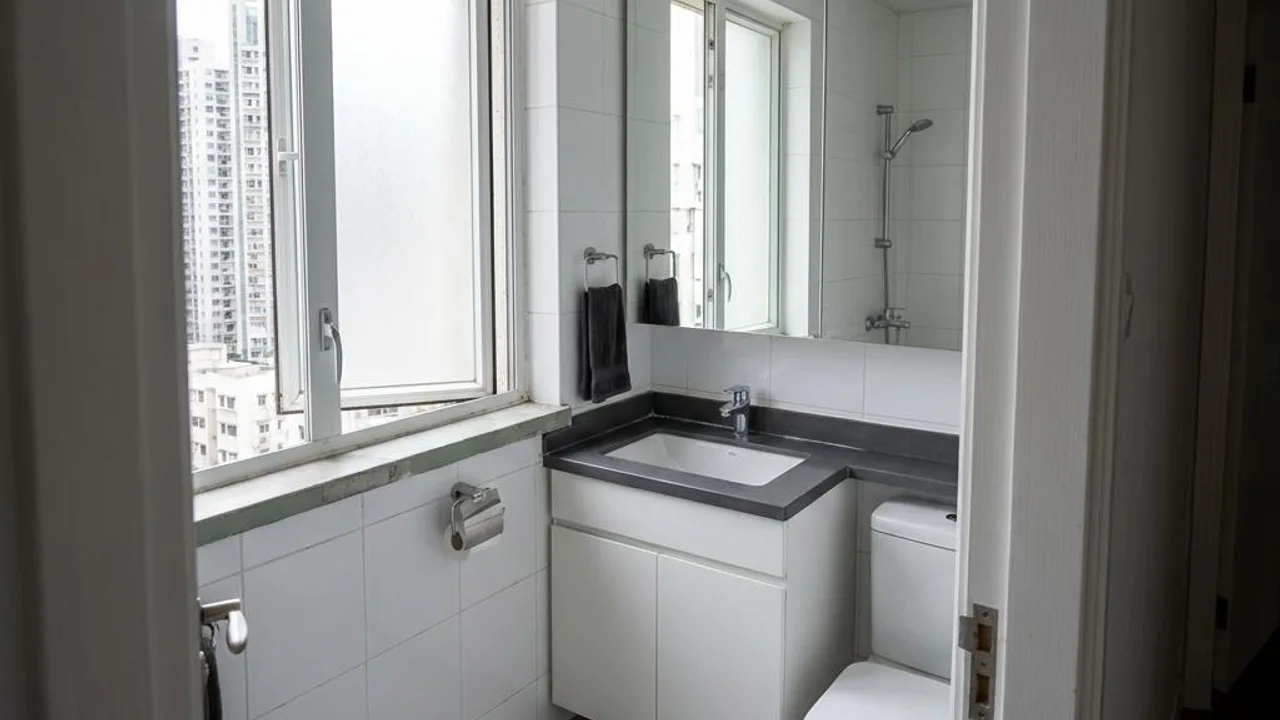
Core definition and life value of a bathroom with windows
A bathroom with windows refers to a bathroom equipped with exterior wall windows that can connect directly to the outdoors. Compared to windowless bathrooms, the biggest advantage of having windows is the ability to introduce natural light and fresh air, regulating humidity through natural ventilation, which is a key condition for maintaining bathroom hygiene and reducing mold growth.
In the humid environment of Hong Kong, having a windowed bathroom can significantly improve living comfort. Good lighting not only makes the space feel more open, but effective air circulation also prevents bacteria and mold from accumulating in corners and shower areas, providing substantial environmental benefits for maintaining the respiratory health of family members.
- Natural lighting reduces the need for daytime illumination, making the space brighter and more comfortable
- Natural ventilation helps to quickly vent moisture, reducing the risk of mold growth
- A dry environment can effectively reduce toilet odors and living space for harmful bacteria
- Meets basic modern home requirements for ventilation and a healthy living environment
Why it is essential to value the inspection of bathrooms with windows
Inspecting a bathroom with windows is not just for checking decoration aesthetics, but to safeguard health after moving in. A well-designed bathroom with windows can effectively vent the moisture generated after showering through the window. If window sealing or ventilation issues are not discovered early during the property inspection stage, you will face severe wall mold and leakage repair troubles in the future.
Through property inspection, one can check if the bathroom waterproofing, water supply, and drainage systems are operating normally. If the windows are improperly installed, they can easily become a source of future seepage. Therefore, checking window-side waterproofing, pipe connections, and bathroom equipment is a necessary step to protect future quality of life.
- Ensure window sealing to prevent rainwater from seeping into walls
- Test the flow and functionality of the bathroom moisture-proof layer and drainage system
- Verify the stability of installation for bathroom facilities such as faucets and toilets
- Inspecting the bathroom: Advantages of a bathroom with windows and detailed inspection steps; the focus is on preventing damage to the home structure caused by potential hidden engineering defects. General non-destructive home inspections are limited to visible conditions: this inspection cannot guarantee structural, electrical, or gas safety, regulatory compliance, the condition of hidden pipes, the thickness of waterproofing layers, remaining service life, or repair results. Thermal imaging technology only shows surface temperature distribution and does not represent the cause of moisture or seepage, nor can it be treated as evidence of hidden structures. Please do not view inspection tools as an exact means of revealing all hidden defects. Mandatory window inspection is an independent legal procedure that must be performed by qualified professionals registered with the Buildings Department and is not a service covered by this inspection. For issues in professional fields, it is recommended to consult qualified personnel; this inspection does not guarantee that all equipment is completely safe. Residents must not perform electrical testing, dismantle fixed installations, adjust water pressure valves, or climb exterior wall windows themselves. Inspection results are for reference only; observed conditions should be recorded and subsequent repairs followed according to professional advice.
Execution steps and key points for inspecting bathrooms with windows
Bathroom inspection with windows primarily focuses on window checks. One should test whether window opening and closing are smooth and check if the sealant is intact to ensure leak prevention. At the same time, evaluate the performance of the exhaust fan to ensure that it can effectively vent moisture and odors outdoors even in calm weather.
In addition, one should carefully check bathroom facilities, including toilet flushing, washbasin drainage, and leakage in the shower area. Observe if there is mold in wall corners and check if all waterproof sealant is clean and not peeling off, ensuring the overall structure and installation quality meet standards to avoid future repair troubles.
- Window test: Check if the seal is tight to prevent water seepage and air leaks
- Ventilation test: Confirm the exhaust fan works well and the duct exhaust is unobstructed
- Equipment test: Check toilet flushing power and washbasin drainage speed
- Environmental check: Look closely for cracks or mold at the connection points of wall tiles and sanitary ware
Common bathroom window sealing problems
If the sealant or waterproof glue between the window frame and the wall shows signs of aging, breakage, or poor construction, it can easily cause rainwater to seep in. Homeowners can observe the surroundings of the window frame for watermarks, peeling plaster, or bubbling paint, as these are usually signs of leakage.
If any obvious signs of water leakage are found around windows, it is recommended to record the affected area and extent in detail. When communicating with professionals, present the observed signs for them to assess whether waterproofing or repair work is necessary; do not attempt to dismantle or forcefully modify anything yourself.
- Check around window frames for any water stains or discolouration.
- Confirm that the waterproof silicone seals are not peeling off or brittle.
- Observe whether there is any unusual resistance or gaps when opening windows.
- Check if window locks and handles operate tightly.
Techniques for inspecting bathroom drainage systems
Bathroom drainage efficiency directly impacts daily usage. During inspection, ensure that the water in washbasins and shower areas drains at a normal speed without obvious backflow. If drainage is too slow, it may indicate blockages in the pipes or a poorly designed exhaust system, which requires further investigation.
When flushing the toilet, observe whether the water flow is powerful and empties rapidly. Also, check the connection between the floor and the toilet for any signs of water seepage. If any drainage system anomalies are found, request that relevant personnel inspect the pipe gradient and the sealing of the connection points.
- Observe the function of the washbasin overflow hole and the drainage flow rate.
- Test the flushing performance of the toilet and the stability of the waste pipe connection.
- Check floor drains for debris blockages or loose rubber seals.
- Test if the slope of the shower area floor is sufficient for proper drainage.
FAQs
If aging rubber seals are found in a bathroom with a window (bright bathroom), what should the owner do?
Owners should document the location and severity of the aging seals and consult professionals to assess whether the sealant needs replacing to prevent rainwater leakage due to seal failure.
If the exhaust fan is too noisy during inspection, does it mean there is a problem?
Abnormal noise may be related to unstable installation or defective parts. Owners should hire qualified personnel to inspect the exhaust fan's blades and ventilation ducts to ensure ventilation efficiency and operational safety.
If I find slight water stains under the washbasin, what should I check?
First, check the drainage pipe connections and faucet interfaces for looseness or leakage. Record the specific location and ask a qualified technician to inspect whether they need re-securing or if the pipe assembly needs replacing.


