
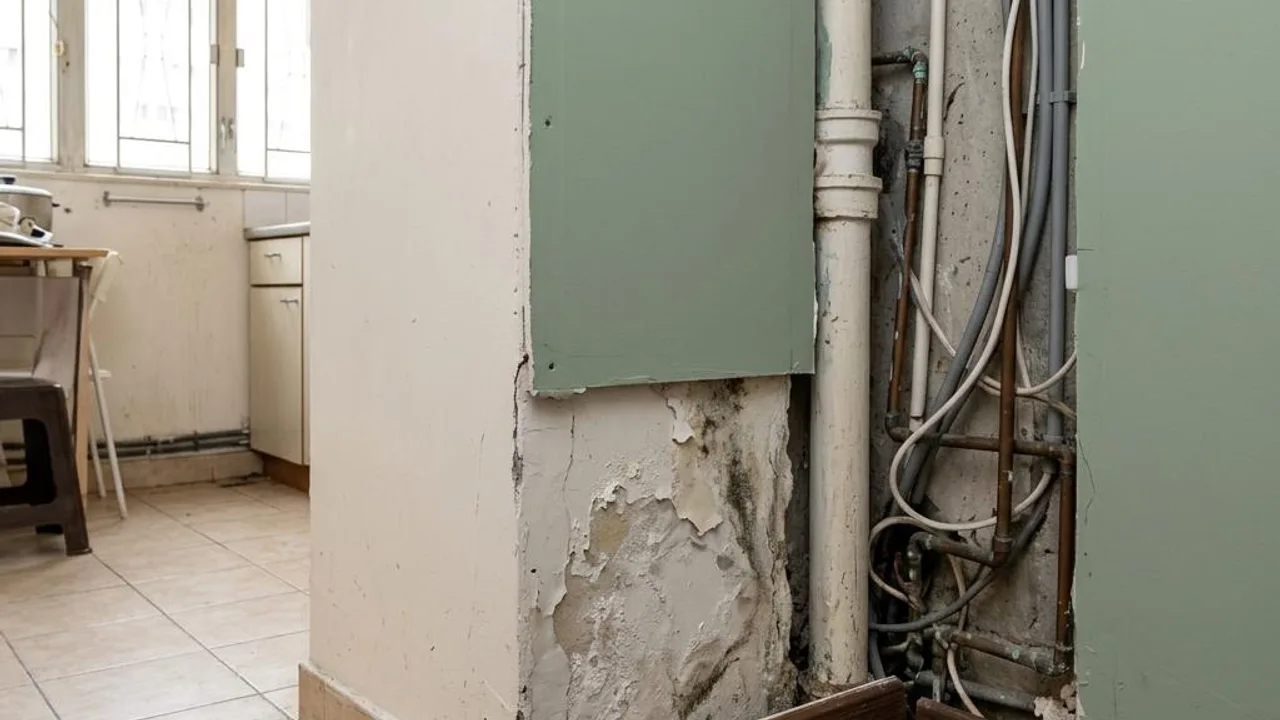
Property inspection is a rigorous integrated engineering project.
Property inspection is not a simple visual inspection of wall flatness or checking switches, but a complex assessment task involving building structures, mechanical and electrical systems, and renovation craftsmanship. This inspection record is limited to the observed surface conditions and does not guarantee building structure, electrical, or gas safety, nor can it confirm the condition of hidden pipes, waterproof layer thickness, remaining service life, or repair results. Thermal imaging inspections show surface temperature differences and do not mean that the cause of water seepage or hidden structural problems necessarily exists in that area. Various testing tools are only auxiliary and cannot guarantee the revealing of all hidden flaws.
The window inspection relates to statutory procedures and must be carried out by qualified persons registered with the Buildings Department, and is not an inspection item provided by this webpage. For matters involving professional building, structural, legal, or safety issues, please consult relevant qualified professionals. Do not attempt to dismantle electrical devices, adjust water pressure valves, climb roofs, or perform dangerous work on windows by yourself. The above information is for reference only and does not represent a certification of the overall safety of the building.
Professional property inspectors possess relevant professional architectural knowledge and are familiar with Buildings Department standards and renovation craftsmanship codes. Through observing construction details and auxiliary equipment, they assess the true condition of the property rather than just staying on the surface regarding whether the renovation is aesthetically pleasing. Hiring qualified personnel for inspection is the first step in ensuring that various facilities in the property meet building standards and usage safety.
- Covers building structural safety and renovation craftsmanship details.
- Equipped with standardized property inspection processes and recording mechanisms.
- Professional methods can assist in identifying structural or seepage hazards that are difficult to see with the naked eye.
Identification risks for hidden structural problems.
The biggest risk of self-inspection is information asymmetry. Many building problems that affect long-term living quality, such as structural cracks, failed waterproof layers, or hidden seepage points, are often hidden under finishes or in corners. If owners lack the correct judgment experience, it is very easy to miss these key flaws, leading to expensive repair costs and maintenance pressure after moving in.
Professional property inspection processes will use specific equipment to assist in the inspection, such as observing wall abnormalities through infrared scanning or analyzing potential seepage causes using humidity monitoring instruments. These tools help determine whether problems stem from construction quality or natural wear and tear, assisting owners in discovering problems in a timely manner within the warranty period to avoid dealing with hazards after the warranty expires.
- Structural cracks may suggest hidden dangers inside the concrete.
- Hidden leakage points will worsen damage if not repaired in time.
- Professional equipment helps determine the causes of failure.
Clarifying building defects and warranty responsibilities.
Finding flaws during the property inspection process is just the first step; the key is how to correctly define whether these problems belong to building defects. If owners inspect the property themselves, they are often unable to provide detailed written evidence or professional analysis. If they lack convincing information, they will often be at a disadvantage in terms of information and professional knowledge when requiring the relevant responsible parties to assume warranty responsibility.
A professional property inspection report not only records the location of flaws but also provides objective inspection suggestions based on building craftsmanship standards. This document can enhance the owner's leverage during negotiations, help define the difference between building defects and normal wear and tear, provide a basis for repair requirements, and safeguard the rights that owners should have at the property handover stage.
- Help define the distinction between building defects and normal wear and tear
- Provide maintenance advice to improve bargaining power
Time cost and execution details.
A full property inspection is an extremely energy-consuming task, with owners needing to confirm numerous details within a short timeframe. Conducting a property inspection independently requires not only preparing various professional tools but also spending hours, if not an entire day, performing a systematic inspection. If one is unfamiliar with inspection standards and execution procedures, repetitive work and excessive psychological pressure can easily lead to omissions, impacting the completeness of the inspection results.
Professional property inspection services allow the tedious inspection process to be delegated to an experienced team. Professionals carry out highly efficient inspections according to a pre-arranged schedule and provide a written report afterward. Owners do not need to check everything from start to finish personally, thereby saving valuable time and reducing decision-making biases caused by stress and anxiety.
- Save time for owners by not having to learn the property inspection process themselves
- Efficiently handle the inspection work for a large number of unit details
- Avoid decision-making biases caused by psychological anxiety
Objective and impartial assessment value.
For owners, buying property is a significant investment. Emotional involvement can easily lead to cognitive biases during property inspections, such as being overly lenient toward certain renovation flaws or becoming excessively anxious about non-structural issues. A professional property inspector evaluates from a neutral perspective, remaining unaffected by the buyer's personal emotions, and can provide the most objective quality assessment report.
Professionals follow industry-recognized standards for scoring and recording; this impartial attitude helps owners view property quality rationally. Through third-party evaluation, owners not only buy with peace of mind but can also require the responsible party to handle issues accordingly, ensuring the protection of property value and living safety.
- Objective evaluation standards unaffected by emotions
- Conforms to industry-recognized quality inspection processes
- Ensure neutrality when communicating with all parties
How to find an appropriate property inspection assessment.
When an owner discovers signs of wall seepage, windows that are difficult to open or close, or obvious structural cracks, they should first record the problem's location and take photos as evidence; never remove finishes or carry out any alterations independently. The correct approach is to contact qualified OPO Inspection professionals for an on-site inspection and request a professional assessment to confirm the cause.
When choosing professionals to assist with assessments, owners should inquire whether they possess relevant professional qualifications and property inspection experience, and confirm if they are familiar with the Buildings Department's building inspection standards. During communication, ask them to explain their scope of inspection to ensure it covers indoor electrical, mechanical, and structural inspections, thereby obtaining effective technical advice and problem assessment.
- Record leaks or structural issues immediately when discovered
- Avoid performing destructive tests or repairs independently
- Consult individuals with professional qualifications and experience
FAQs
When conducting a property inspection yourself, which hidden issues are most easily overlooked by owners?
Owners often easily overlook building structural cracks, slight seepage in hidden areas of ceilings or walls, and the compliance of electrical and mechanical wiring. These issues are often difficult to spot under renovation finishes; without auxiliary equipment like infrared cameras, they very easily cause long-term maintenance hazards.
How can one judge whether a flaw is a building defect?
Building defects usually refer to flaws that deviate from construction specifications or property standards. If an owner has questions about the nature of a flaw, they can use a third-party professional property inspection assessment, where individuals with a construction background analyze it based on renovation craftsmanship specifications and building standards to clarify whether the flaw is due to natural wear and tear or construction defects.
What preparations do owners need to make before commissioning professionals for a property inspection?
Owners should organize relevant building documents and make a preliminary observation of the property before taking possession, recording the locations of obvious issues found. Most importantly, avoid any unauthorized alterations or repairs, and inform the inspection personnel of the key inspection requirements so that professionals can accurately handle all details.


