
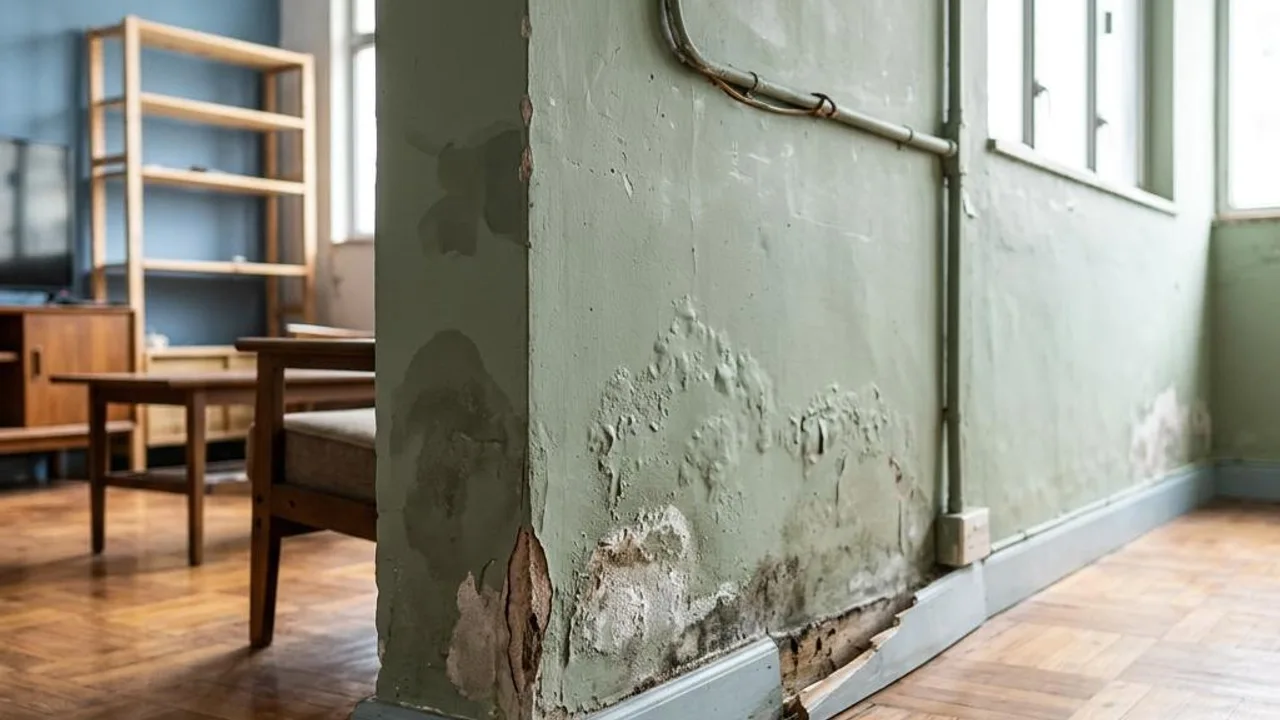
Protecting home buyers' rights regarding structural safety.
When purchasing a property, structural safety is always the primary concern for buyers. A professional OPO Inspection team will perform a meticulous assessment of structural components such as the property's foundation, load-bearing walls, ceilings, and roofs. These inspections can identify potential structural defects caused by poor construction quality or long-term inadequate maintenance, preventing buyers from unknowingly bearing high repair risks.
It must be clearly stated that inspectors conduct visual and auxiliary equipment-based inspections. For obvious structural cracks or signs of building settlement, inspectors will provide professional advice; however, verification involving statutory building safety standards must be combined with an in-depth assessment by a professional structural engineer. This preliminary report is the first line of defense in protecting the buyer's rights.
- Check walls and floor slabs for obvious structural-related cracks.
- Monitor roofs or external walls for concrete spalling caused by long-term water seepage.
Identifying hidden home renovation hazards.
Many properties appear in perfect condition during transactions, but water and electrical lines behind walls or under floors may have aging issues. For example, hidden water pipe leaks can erode walls over time, while older electrical wiring may be unable to handle modern appliance loads, posing severe electrical safety risks. Professional inspections use non-destructive equipment to reveal these invisible concerns.
If owners observe for themselves, they should pay special attention to whether walls have long-term moisture-related mold stains or if there are abnormal overheating odors around electrical socket points. Once such abnormalities are detected, they should immediately document them and request a professional to conduct specific pressure tests or electrical resistance tests; never dismantle them for inspection yourself.
- Test water supply system connection points for signs of micro-leakage.
- Observe indoor electrical installations for signs of charring or overheating.
- Inspect the drainage system to ensure it is clear and free from odor leaks.
Strengthening negotiation leverage during the transaction process.
Possessing a professional report can increase the transparency of negotiations between buyer and seller, avoiding purchase regrets caused by information asymmetry. We recommend that buyers arrange an inspection as early as possible before completion, ensuring that issues can be reported to relevant parties within the statutory time frame and retaining all inspection reports and subsequent professional repair certificates.
Through substantial findings in the report, buyers can more clearly understand which items require immediate follow-up. If the report points to severe pipe leakage or insufficient circuit capacity, these are reasonable grounds for negotiating prices or requesting the seller to perform repairs, protecting investment value.
- Use specific items in the written report to require the seller to carry out expected repairs.
- Reasonably adjust the unit purchase budget based on professional OPO Inspection assessments.
- Use the property inspection record as important reference material for future renovation planning.
Enhancing investment confidence and asset management.
For first-time home buyers or long-term investors, post-purchase maintenance is key to protecting the asset. Through the professional OPO Inspection process, owners can deeply understand the true hardware condition of the property, thereby estimating the asset's lifespan and future maintenance burdens. This information advantage can greatly enhance overall confidence in property investment.
Through periodic inspections, owners can prevent problems before they arise, repairing small issues in time to avoid the accumulation of major defects that affect property prices. Good maintenance records can maintain the property's competitiveness in the market and provide stable value support when intending to sell or rent out the unit in the future.
- Clearly grasp the maintenance cycle and current status of property equipment.
- Reserve funds and time for future building renovation project planning.
- Establish a professional inspection list to maintain stable asset value.
The importance of a professional OPO Inspection team.
Choosing an experienced OPO Inspection team is a prerequisite for ensuring inspection quality. Professional inspectors have experience in dealing with various building structural defects, can distinguish between different levels of damage types, and provide actionable, reference-worthy reports. They use advanced equipment to reduce human inspection error, ensuring information accuracy.
Professionals not only possess judgment skills, but more importantly, they are able to provide objective investigation plans. For any suspicions involving structure, they will recommend a referral to a qualified structural engineer for follow-up rather than taking it upon themselves, thereby protecting the owner's safety and rights.
- All electrical and plumbing work recommendations point to hiring registered professionals.
- Rely on qualified personnel to conduct assessments involving structural and statutory standards.
FAQs
Can the inspector guarantee that the unit has absolutely no water seepage problems?
Inspectors primarily identify potential signs of seepage through visual observation and auxiliary equipment such as infrared thermal imaging cameras. Infrared thermal imaging only shows surface temperature differences and cannot be directly taken as a definitive conclusion for the cause of leakage or hidden structural problems. As seepage is affected by weather and water supply status, the inspection service cannot rule out hidden seepage and does not provide any guarantee. If suspected seepage traces are found, it is recommended to consult a qualified surveyor or professional engineer for a detailed inspection.
Can the inspection report be used as a legal basis for claiming compensation from the seller?
The inspection report is an objective detection record documenting the property's condition at a specific point in time; it is not a legal judgment document. Buyers can negotiate or discuss repair matters with the seller based on findings in the report, but specific legal compensation liability must be determined according to the terms of the sales and purchase agreement and relevant legal procedures.
What should I do if the inspection finds that the electrical system is aging?
If the inspector identifies signs of circuit aging, the owner should stop using the relevant equipment and hire a registered electrical contractor for an in-depth inspection. Dealing with electrical hazards involves safety, and must be assessed and repaired by registered professionals; any unauthorized dismantling or self-wiring operations are strictly prohibited.


