
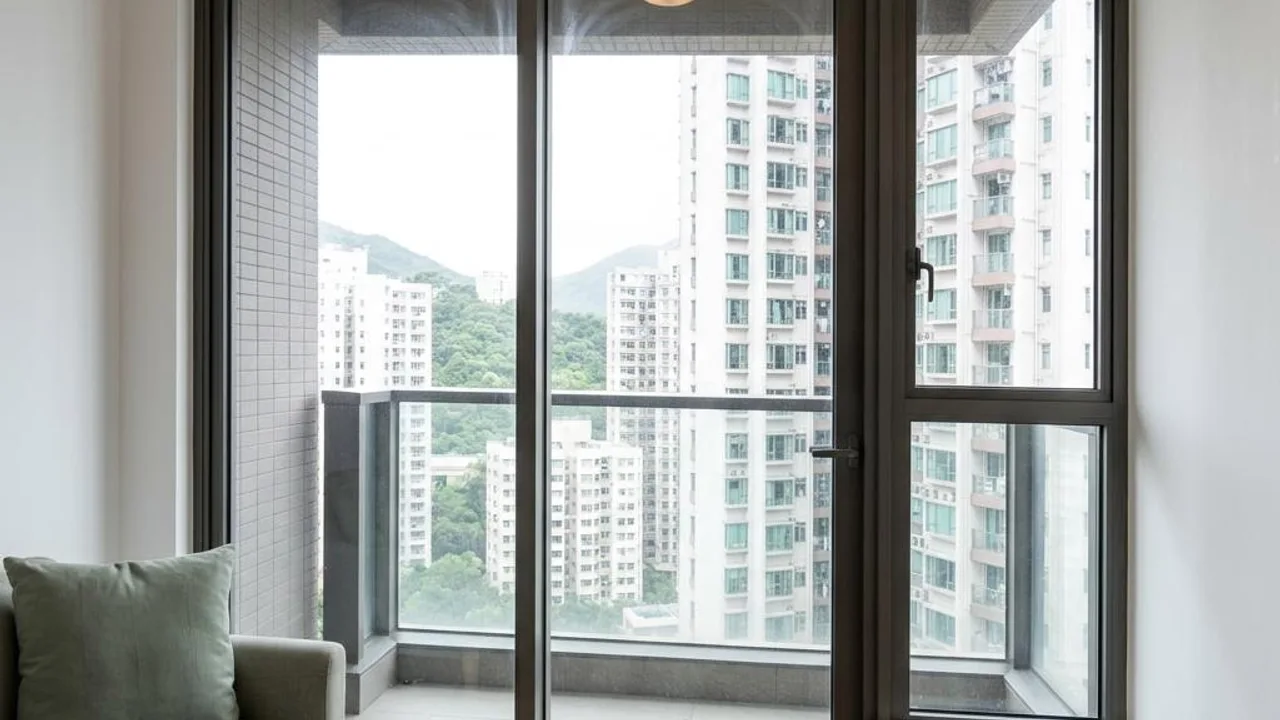
Why glass inspection is a key point in property inspection
Glass installations are not merely a feature of a unit's facade; they serve as a critical defence against wind, rain, and heat loss. When inspecting a new property, improper installation or failure of the seals can result in leaks, loss of air-conditioning efficiency, or reduced sound insulation, all of which compromise long-term living quality and increase maintenance costs.
Professional glass inspection covers the stability of the window frame structure, the integrity of the glass surface, and the smoothness of the opening and closing systems. When conducting an inspection, owners should follow a systematic approach, documenting the status of each window individually to ensure nothing is missed, thereby enabling them to request necessary rectification from the developer during the handover.
- Check glass surfaces for cracks or scratches
- Test if windows open and close smoothly and if locks fasten securely
- Observe if there are any gaps between the window frame and the wall
- Check the interior of double-glazed units for fogging or staining
Sunny day inspection: Looking through glass for surface defects
Ample natural light on a sunny day is ideal for observing details on the glass surface and is the best time to check for damage. Owners should observe from multiple angles both indoors and outdoors to check for obvious manufacturing defects, scratches, or irregular refractions.
In addition to the glass, a sunny day is also a good time to test the window frame structure. Check the frames for obvious dents, corrosion, or distortion due to improper installation. Furthermore, the window weatherstripping should remain elastic and fit snugly against the frame; if you notice any peeling or hardening of the strips, these should be immediately marked for rectification.
- Use side lighting to check for scratches or chips on the glass surface
- Check if the exposed edges of the aluminium window frames are flush and even
- Confirm that all window fasteners are complete and free from deformation
- Observe if the window frame weatherstripping is tightly sealed against the glass
Rainy day inspection: Practically testing waterproof performance
A rainy day is the perfect opportunity to test the waterproofing of a unit's windows, as it directly reflects the quality of the workmanship. During the observation, pay special attention to the junction between the bottom of the window frame and the wall for signs of water seepage. If water pools or stains appear on the interior windowsill, it often indicates failed seals or structural leaks.
In addition to observing obvious leaks, it is also crucial to check the contact points between the window and the frame. If continuous water ingress is observed at the edges of the window frame during rain, it is typically caused by clogged drainage holes or improper sealing, and this must be recorded promptly to be reported to the developer for rectification.
- Observe if there is any pooling of water or water stains on the windowsill
- Check if there is any rainwater seeping in at the joints of the window frames
- Verify if there are any signs of water leakage between the glass and the window frame edges
- Check if the drainage holes at the bottom of the windows remain clear
Details of aluminum window frame structure inspection
The structural integrity of the aluminium window frame determines the durability of the window. Owners should check that the window frame joints are tight and confirm that the frame has no structural distortion. Locks that are too tight or too loose will also affect the sealing performance; during inspection, you should open and close the windows multiple times to feel whether the mechanical parts operate smoothly and consistently.
If you find that the window frame is loose or there are abnormal gaps at the connection points, this may indicate a deviation in the installation level. It is recommended that owners provide detailed descriptions of the affected window locations when recording these issues so that structural adjustments or sealing repairs can be carried out by professionals later.
- Check the surface of the aluminium window frames for obvious scratches or oxidised white spots
- Verify that the screws on the window hinges are not loose or missing
- Test for any abnormal jamming sounds when pushing or pulling the windows
- Check if the window latch accurately engages with the locking mechanism
Property Inspection Records and Defect Rectification Strategies
During property inspection, detailed documentation is the foundation of protecting an owner's rights. Regardless of the defects found, it is recommended that owners document them with high-definition photographs and provide a detailed explanation of the location and status in the report. For any disputed damage, retaining authentic image records is crucial for subsequent follow-up work.
When negotiating with the developer, maintaining rational communication is key to solving problems. If you discover serious water leakage or structural safety issues, you should seek professional advice immediately; do not attempt large-scale dismantling or modifications yourself. The correct approach is to include these issues in the post-inspection rectification list and require a professional contractor to handle them.
- Take clear photos of the damage locations and details
- Summarise all discovered issues into a list
- Avoid performing unauthorised dismantling or repairs yourself
- Require professional contractors to follow up on structural repairs
FAQs
If fogging is found between double-glazed glass, does this mean the seal has failed?
Yes, fogging between the double glazing typically indicates that the protective dry gas layer in the hollow space has been compromised; the seal has failed, allowing moisture to seep in. It is recommended to request that the developer replace the entire glass unit. This inspection service cannot guarantee the structural integrity or future performance of the glass. If there are concerns regarding leakage or structural safety, it is recommended to consult a qualified building professional.
When conducting a property inspection on a rainy day, how should I correctly determine the source of a leak?
Owners can observe the origin and direction of the water stains. If water droplets are flowing from the edge of the window frame, it is usually an issue with aged sealing tape or installation gaps; if it is accumulating from the bottom of the window frame, one needs to check if the drainage holes are clear and report the specific location to a professional contractor.
If slight scratches are found on the window frame, must I require the developer to replace them?
This depends on the severity of the scratches and whether they affect the anti-rust coating of the aluminium. If the scratches are deep enough to expose the underlying metal or affect the overall appearance, they should be listed in the property inspection report so that a professional contractor can assess whether a partial repair or replacement is required.


