The importance of window inspection for home safety
Window inspection for new properties is a vital part of protecting resident safety during the handover process. Windows not only provide natural lighting and ventilation but must also possess performance features including sound insulation, waterproofing, and wind resistance. A compliant window installation ensures that the home is protected from wind and rain during adverse weather, while maintaining a stable indoor environment.
We advise owners to focus on the physical installation quality of the windows during inspection. If issues such as water seepage, deformation, or sticking during operation are discovered, ensure they are recorded and that the developer is requested to rectify them before handover. Do not overlook minor quality issues, as these could lead to potential safety hazards in the future.
- Ensure the window frame structure is robust
- Verify wind and water resistance performance
- Evaluate sound insulation effectiveness
- Check the hardware safety configuration
Checking window frame structure and installation details
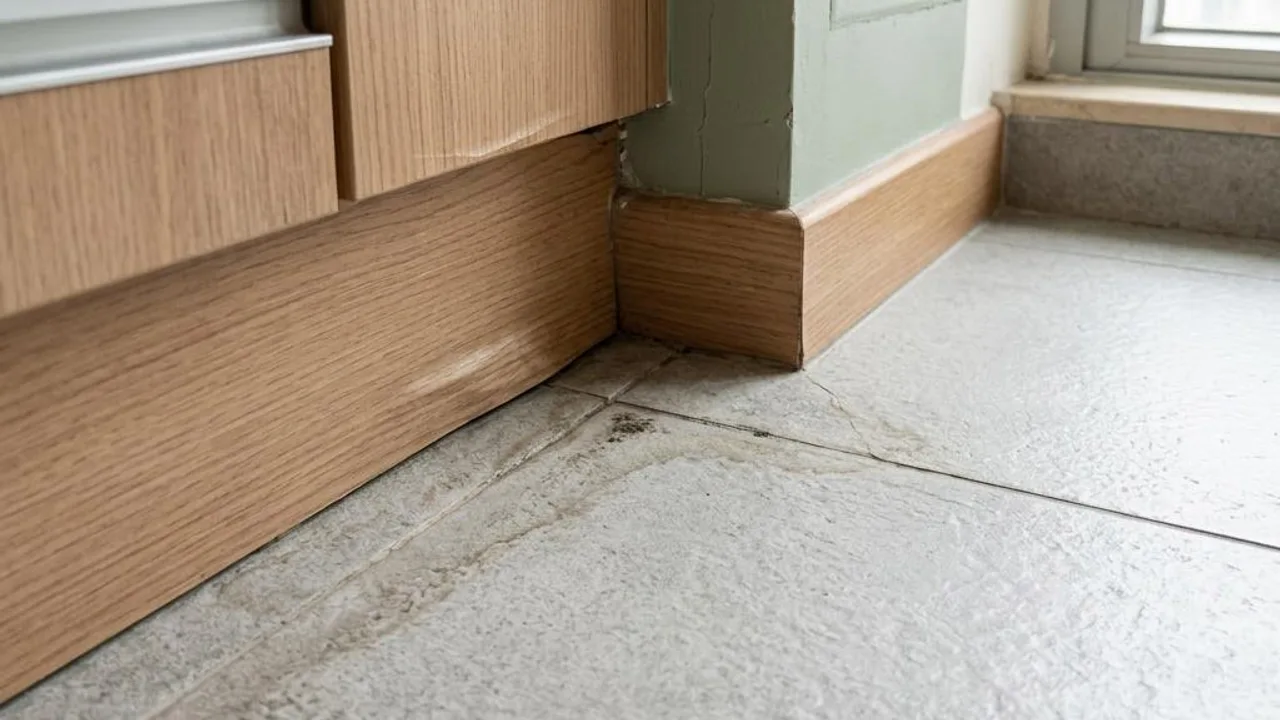
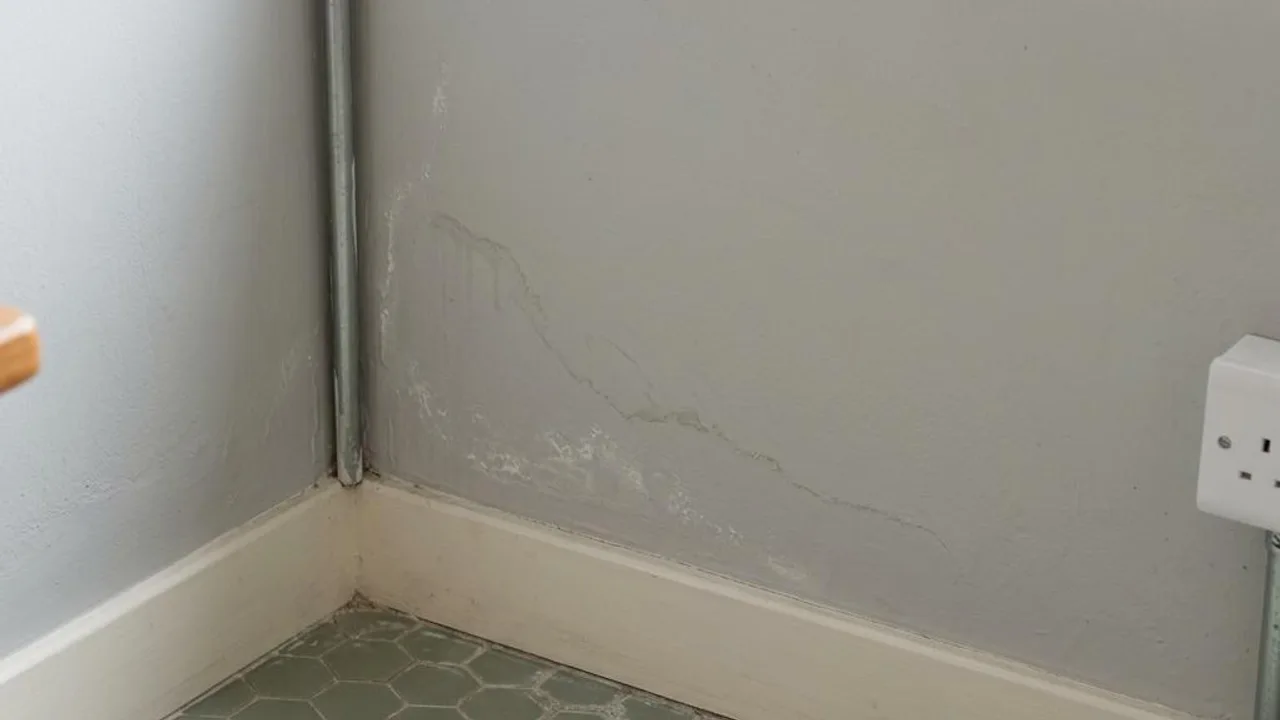
Window frames should remain vertical and level, with no obvious deformation or unevenness on the surface. Inspect the surface of aluminium alloy or uPVC window frames; there should be no scratches, corrosion, or signs of peeling paint. The joints between the window frame and the wall must be filled with sealant, showing no signs of cracking or gaps for seepage.
Aluminium alloy window frames are common in modern buildings; special attention should be paid to the welding quality at the hinges and corners. Any deformation or gaps may affect long-term waterproofing performance. If obvious cracks are found at the joint between the window frame and the wall, they must be recorded immediately, as these could be potential points for water seepage.
- Observe the verticality of the window frame
- Check the seal at the connection points
- Assess the anti-corrosion status of materials
- Confirm whether there are surface scratches
Assessing glass performance and installation condition
The quality and installation of glass directly affect residential comfort. Double-glazed units should be free from condensation fogging; if moisture appears internally, it indicates that the seals have failed. Inspect the glass surface for scratches, air bubbles, or edge chipping. The glass should be installed correctly within the channel and protected by appropriate sealing gaskets.
For safety glass such as laminated glass, confirm that the markings are complete. During installation, the glass must have a buffer from the window frame and should not be in direct contact with the metal. By observing whether the glass reflection is distorted, one can make a preliminary assessment of whether the installation is flat, preventing potential cracking due to uneven stress on the glass later on.
- Check the glass for cracks
- Confirm whether there is moisture ingress
- Evaluate the flatness of the glass
- Check the condition of the sealing gaskets
Testing window opening and locking systems
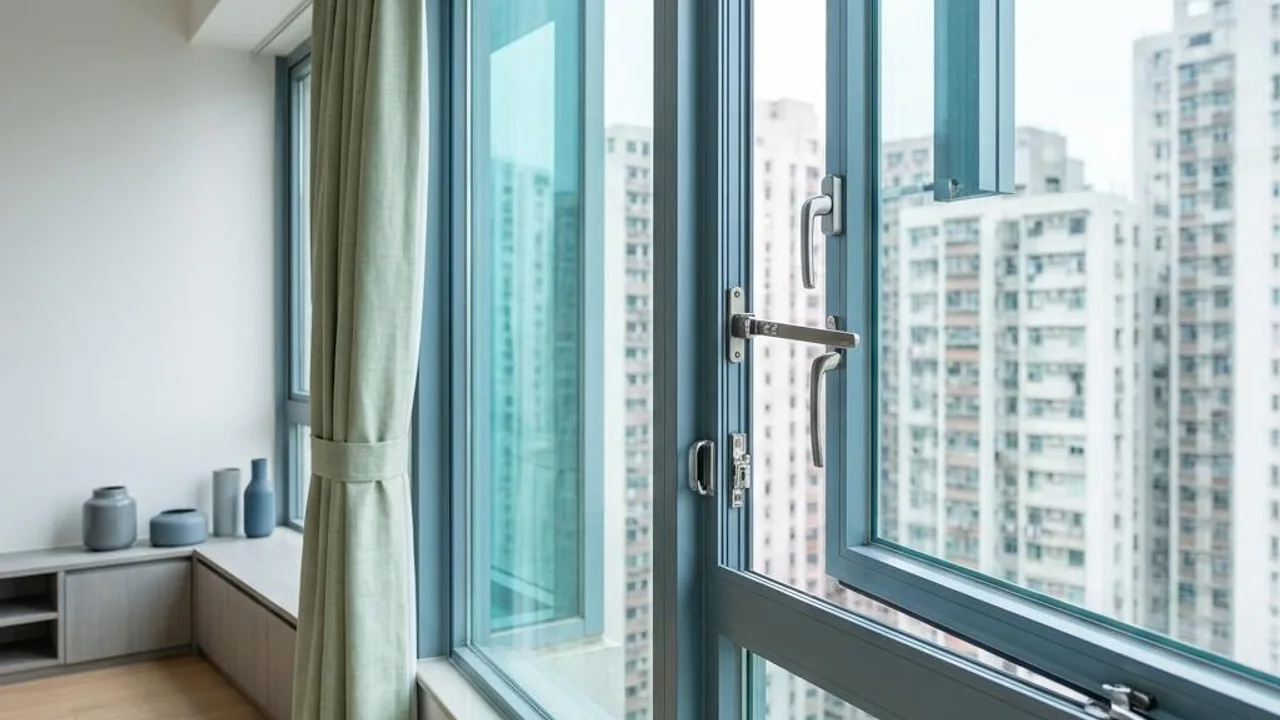
Window sashes should open smoothly without strong friction or sticking. Pulleys on sliding windows should operate lightly, and hinges on casement windows should be firmly fixed with no obvious wobbling during operation. The locking mechanism is essential for safety; ensure that it clicks into place accurately and that there are no gaps after the window is closed.
If a window sash sags automatically or is difficult to position after opening, it indicates a problem with the hardware configuration. Check that all safety locks and anti-theft devices are operating correctly. Any window that cannot be locked tightly will directly affect home security and must be subjected to strict rectification.
- Test the smoothness of the window sash sliding
- Confirm the tightness of the lock
- Check for looseness in the window hinges
- Evaluate the automatic positioning function
Hardware accessories and durability testing
All hardware components of the window, such as handles, pulleys, limiters, and hinges, should have a clean surface with no rust or severe wear. These components should be made of highly durable materials to withstand frequent use and weather changes. Ensure all screws are tightened during installation, with none left out.
Pay special attention to the limiters on high-rise windows, as their safety is particularly critical. If the limiter function fails, it will increase the risks of daily use. The surface coating of all hardware components should be uniform and free from peeling, which helps extend the service life of the hardware in humid environments.
- Check the integrity of the screw installation
- Check for rust on hardware components
- Test the sensitivity of the limiter
- Observe the flexibility of the handle rotation
Observations and records during the window inspection process
When performing window inspections, owners should adopt a systematic approach, checking from the outside in and from top to bottom. For any safety hazards that cannot be confirmed, use camera equipment to record the situation to ensure details are clear, facilitating follow-up communication with the management office or contractor.
If you observe incomplete sealing at the joint between the window frame and the wall, do not attempt to fill it yourself. Record the location and appearance of the problem truthfully, and request professional personnel to inspect for any risk of water seepage, ensuring that the repair plan complies with building structural standards.
- Record all defects throughout the process
- Inspect structural integrity by section
- Ensure there is a record for every issue
- Request a defect rectification list
The importance of professional property inspection consultancy
Property inspection is not just about testing windows; it requires professional knowledge to judge how construction defects affect long-term occupancy. When an owner discovers large-scale or complex installation issues, seeking an assessment from a qualified person is a very necessary step.
Professionals can use tools to perform in-depth assessments, ensuring all windows meet safety requirements. Through a comprehensive and objective report, owners can more effectively demand repairs from the developer, effectively safeguarding their rights during handover.
- Inspection by professional technical personnel
- Comprehensive recording of construction details
- Provide targeted repair suggestions
- Protect the long-term rights of the owner
FAQs
When inspecting windows, if gaps are found at the connection points of the window frame, how should they be handled?
The owner should first record the location and condition, observe whether there is water seepage or obvious damage, and submit this record to the developer, requesting them to arrange qualified personnel for further inspection and repair; do not fill it yourself.
Does condensation inside double-glazed glass mean there is a problem with the glass quality?
Moisture and fogging inside double-glazed units usually indicate that the seal has failed or that the installation is poor, causing moisture to penetrate the gap. This affects sound insulation and waterproofing performance; it is recommended to request the contractor to replace that glass unit.
If the limiter on a high-rise window is found to be operating inflexibly, how can this be resolved?
The limiter is crucial for preventing windows from opening excessively. If it is found to be operating inflexibly or shows signs of looseness, it should be clearly recorded, and the developer should be requested to commission a professional technician to adjust or replace it to ensure safety during use.