
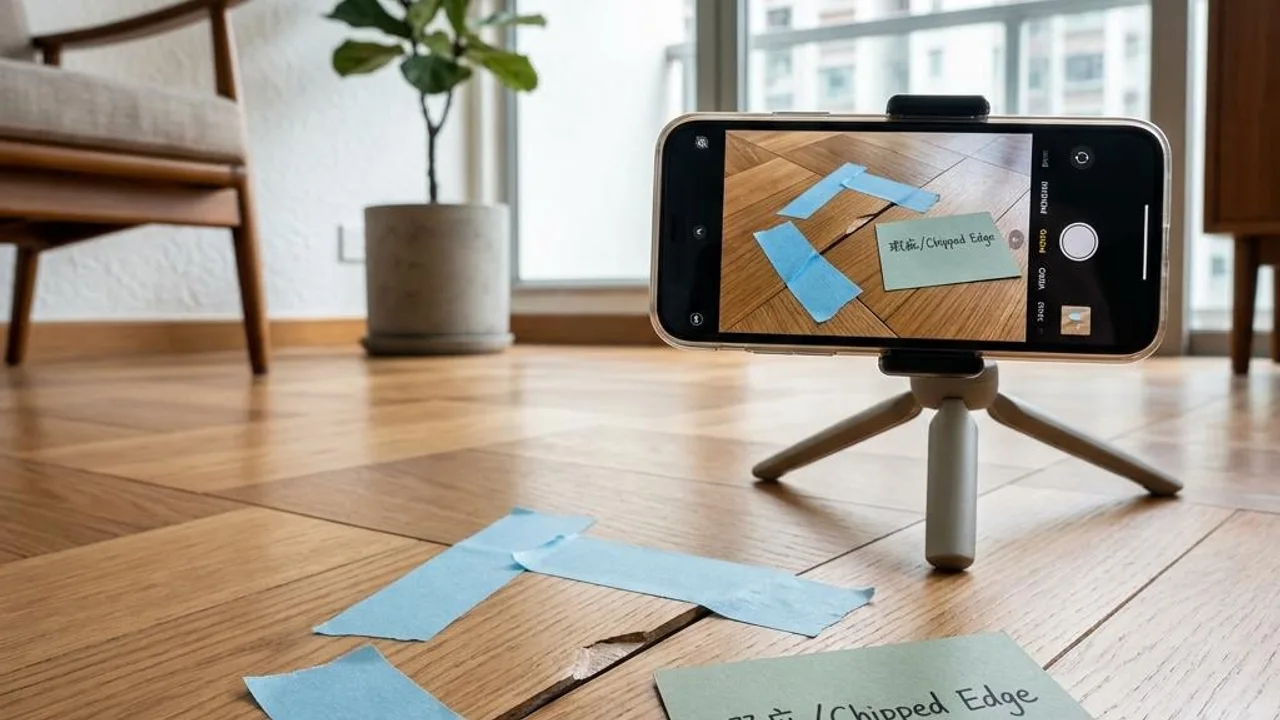
The rise of property receiving 'check-ins' and home-buying psychology
For young owners, getting the keys to a property often symbolizes a milestone of hard-earned struggle. The unboxing ritual on the day of receiving the property is not just a declaration of personal achievement, but also an emotional release and a display of lifestyle aesthetics under the pressure of high property prices. By sharing the space unboxing on social platforms, owners can concretize the joy of homeownership and build a sense of identity.
However, this behavior focused on visual experience can easily distract from the unit's true quality. If one is too intoxicated by the ritual of social media, they might miss the optimal window for handling defect rectification during the initial period of property receipt. An effective strategy for receiving a property should prioritize house safety and quality inspection while preserving the ritual, rather than pitting the two against each other.
- Buying a property is a major investment in life, and the property-receiving ritual has powerful emotional significance
- Sharing on social networks has become an important part of the modern home-buying experience
- One should rationally treat the dual needs of unboxing check-ins and the actual quality of the house
Key points of acceptance beyond visual decoration
Many owners are accustomed to performing appearance checks first, such as whether the wall paint is smooth or if there are scratches on floor tiles. These details at the appearance level are certainly important, but one should pay more attention to hidden hazards within the unit, including door and window water seepage, the stability of the electrical system, and whether sewage pipe connections are firm. If these structural problems are not discovered during the defect rectification period, dealing with them later will become extremely cumbersome.
In particular, windows and waterproof rubber seals are long affected by weather; if they were improperly installed initially, they are prone to seepage. Additionally, facilities like the residual current device (RCD) inside the fuse box, although difficult to notice normally, are related to living safety. Even if the unit looks beautiful on the outside, owners should remain calm and conduct rigorous and systematic verification to ensure no safety hazards exist in the new home.
- Carefully check the integrity and sealing performance of window frame waterproof rubber seals
- Confirm the gradient and drainage smoothness of air conditioner drainage pipes
- Check if the residual current device switches inside the fuse box are functioning normally
- Observe whether there are obvious flatness problems on walls and flooring
The difference between self-inspection and professional acceptance
Although owners saving costs by doing their own acceptance, they are often limited by experience and equipment, finding it difficult to reach deep structural inspections. Personal observation usually stays within the range visible to the naked eye, whereas professional OPO Inspection teams are equipped with infrared thermal imaging cameras and laser levels, which can more accurately identify height differences in flooring or potential water seepage locations within walls. This difference determines the professional persuasive power of the defect rectification list.
If defect rectification requirements are submitted to the developer based solely on amateur experience, they may sometimes be shelved due to a lack of objective data. Professional reports not only contain detailed damage records but can also cite standardized inspection data, making developers more willing to face and handle relevant issues. For owners, outsourcing the inspection work ensures the most comprehensive repairs and adjustments are completed within the golden period.
- Professional equipment can compensate for the limitations of naked-eye observation
- Standardized reports enhance the persuasiveness of defect rectification requests to developers
- Save time costs and avoid missing defect rectification details due to lack of experience
Professional team assistance process and responsibilities
When hiring a professional team, the focus is on whether they can conduct scientific assessments targeted at the core areas of the property, such as structure, water and electricity, waterproofing, and windows. This is not just a simple checklist, but a comprehensive quality control of the building delivery, helping owners demand proper repairs within the legal protection scope.
During the assisting process, owners should proactively provide relevant building floor plans and equipment lists provided by the developer. Through the expertise of professionals, it helps owners clarify the nature of the problems, ensuring the developer's repair works meet the relevant technical requirements of the Buildings Department and the Electrical and Mechanical Services Department, avoiding secondary damage due to improper repairs.
- Professional team conducts inspections according to Hong Kong new building delivery standards
- Scope of service includes inspection of structure, water and electricity, waterproofing, and windows
Treatment suggestions when discovering hidden water seepage
When owners discover suspected water seepage stains on walls or window sills, do not remove walls or perform destructive tests yourself. The correct approach is to take photos first to record the location and scope, and observe its correlation with external weather changes. If it is found that the seepage scope expands after rain, this is usually a sign of failed external waterproofing or poor window frame sealing.
Owners should hand over these observation records to professionals for on-site surveying. The professional team can use specialized equipment to confirm the seepage path and list the affected areas in detail. Subsequently, owners can request the management office or developer to conduct surveys and follow-ups based on the report. This evidence-based communication method is far more likely to prompt relevant departments to take practical action than simple verbal complaints.
- If seepage is discovered, first take photos for evidence and observe the changing trends
- Avoid altering walls or damaging the waterproofing layer by yourself
- Request the developer to carry out repairs based on professional assessment through the report
FAQs
When hollow tiles are discovered during property receipt, must the developer be asked to replace them immediately?
Hollow tiles are a common phenomenon in new developments. Owners should record the specific affected area and consult professional opinions to confirm whether the hollow tile is in a high-traffic area or could lead to tile cracking, then discuss repair plans with the developer based on the inspection results, rather than mandatorily requiring replacement for every hollow tile.
If a professional property inspection report indicates that the electrical insulation resistance data is on the low side, how should it be handled?
This is a serious issue involving electrical safety. Owners should immediately stop using the relevant circuits and request the developer to arrange for a licensed electrician to conduct a detailed check, ensuring that circuit connections and insulation performance meet relevant electrical and mechanical safety regulations; do not attempt to reset or repair it yourself.
Can a professional OPO Inspection team fully guarantee that the property will not have water seepage within five years?
The OPO Inspection service aims to observe and record the unit's current status upon delivery and identify construction defects or potential risks within the current visible range. Such inspections cannot guarantee the safety, waterproofing performance, or absolute absence of leakage for the property in the years to come, because the condition of the waterproofing layer and structural integrity will change with natural aging, building settlement, and human alterations. The inspection report only reflects the unit's status on the day of inspection and is not a guarantee of the property's remaining service life or future repair results. If professional fields such as structural safety, electrical systems, gas pipes, or mandatory window inspections are involved, it must be handed over to qualified persons specified by relevant laws for assessment; do not dismantle installations or perform any repair work beyond your personal capabilities yourself.


