
Professional qualifications and verification methods for surveyors
When hiring a surveyor, professional qualifications are the primary consideration. Professional surveyors usually hold recognized certificates in construction engineering, surveying, or related professional fields; this background knowledge is the foundation for conducting objective inspections. Owners should ensure inspection personnel have the technical level to handle building construction-related matters to ensure service quality.
Beyond basic academic background, owners can review the official background information of the inspection company to verify if their past practice record is clear and transparent. Verifying their background helps screen for service personnel with professional ethics, clarify the rigor of the inspection process from the source, and ensure the inspection process meets basic professional standards.
- Confirm whether the surveyor holds qualification certificates in architecture or related professional fields
- Verify the registration background of the inspection company through reliable channels
- Evaluate the surveyor's grasp of current building structure and inspection standards
Practical experience and industry knowledge accumulation
Abundant practical experience is crucial for handling complex property conditions. Senior surveyors have usually accumulated experience in dealing with various unit types and building ages, and have a deep understanding of common potential construction defects and common issues, rather than relying solely on theoretical knowledge for inspections.
When choosing a service, feel free to communicate with inspection personnel about past cases. Experienced teams can accurately determine the causes and severity of defects and provide specific observations and records for different renovation details, thereby helping owners conduct more efficient communication on defect rectification after taking possession of the unit.
- Ask about the number and type distribution of units handled by the surveyor
- Understand the surveyor's inspection sensitivity for buildings of different ages
- Evaluate the surveyor's logical judgment regarding complex construction defects
Application of professional tools and inspection techniques
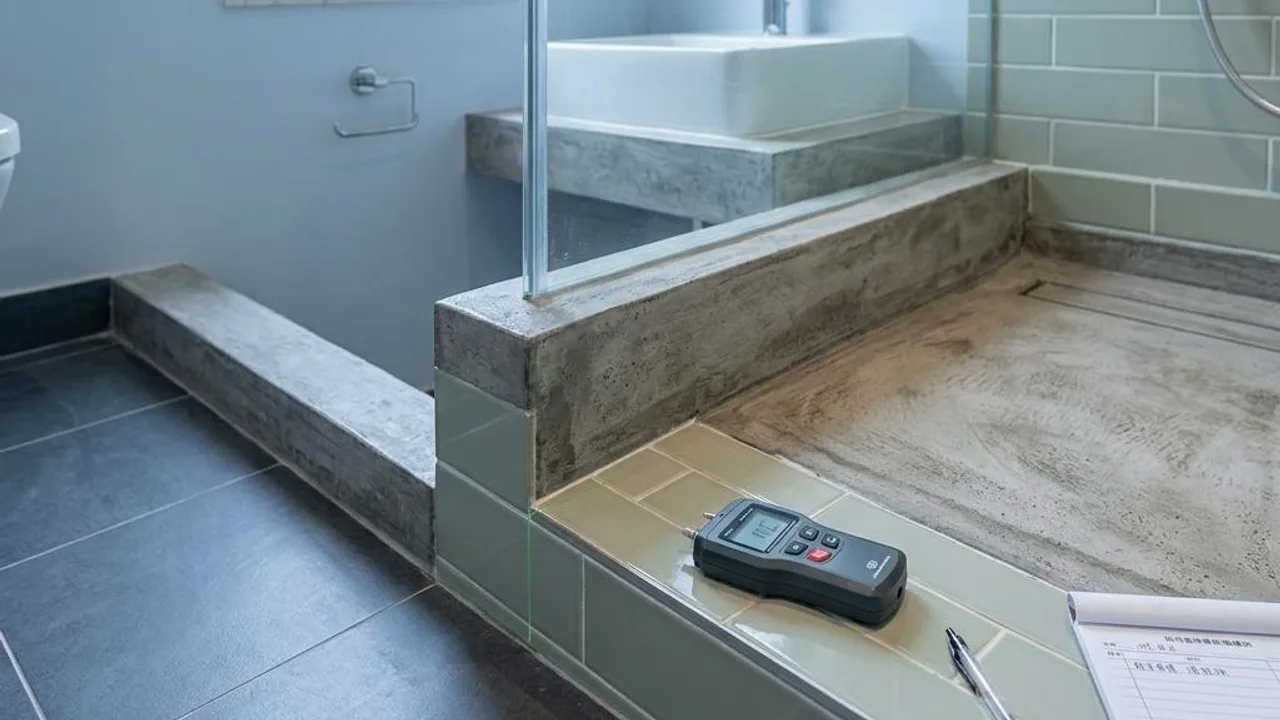
Professional building inspection is never just done by the naked eye. Qualified surveyors will use precision instruments to assist, digitizing test results. Common tools include tapping rods used to test whether wall and ceiling plaster is hollow, and precision measuring instruments used to check floor levels.
These objective quantitative methods significantly reduce subjective bias, ensuring a more scientific inspection process. Regarding potential seepage hazards, owners should consult surveyors on testing techniques that can be used where the environment permits and understand whether such tests need to comply with property management office procedures.
- Use tapping rods to detect hollow areas in wall and ceiling finishes
- Use instruments to measure the flatness of floor and door/window installations
- Understand the application of auxiliary tools for common leakage point checks
- Confirm that the inspection covers details such as structure, hardware, and electrical installations
Report quality and on-site professional guidance
A high-quality inspection report is not just a list of defects, but also an important reference for owners to carry out subsequent defect rectification. The report should clearly record the location and specific status of defects, and include targeted observational explanations to help owners clarify the nature of issues and the direction for repairs.
On-site explanation sessions are equally important. Professional surveyors will sort out the property condition with the owner on-site and directly answer doubts. When selecting a service, owners can first request a report sample to observe whether its presentation is clear and practical, to judge whether it possesses professional explanation capabilities.
- Check if the sample report provides detailed records of defect locations
- Confirm if the report content includes practical repair observation explanations
- Assess whether the site briefing session enables the property owner to clarify the severity of the issues.
Rational choice to protect long-term rights and interests
When choosing a property inspector, you should not focus solely on the price, but rather comprehensively consider their qualifications, experience, testing tools, and reporting details. Investing time in comparing the professionalism of various parties and consulting on testing details in person will help the property owner clarify whether the service truly meets the actual needs of the property inspection.
A truly professional property inspector can assist property owners in handling defect rectification work after taking possession of the unit with greater confidence. Through objective assessment, owners can promptly discover and record problems, thereby reducing the cumbersome burden of frequent future repairs and safeguarding the comfort and quality of the living environment in the long term.
- Weigh qualifications and experience comprehensively, avoiding a simple comparison of the lowest price.
- Evaluate the depth of service by asking for the property inspector's professional insights.
- Confirm whether the terms of service cover all necessary inspection items.
FAQs
Can a property inspector guarantee that a unit is absolutely safe?
The property inspector mainly assists the owner in identifying and recording defects in the unit's finishes, structure, and installations. Property inspection is a non-destructive test and cannot be used as an absolute certificate confirming that the building structure, fire safety facilities, or electrical systems comply with all regulatory requirements. If structural safety or significant hazards are involved, a qualified professional should be sought for an in-depth investigation.
If water seepage is discovered during the property inspection, can the inspector determine the source?
The property inspector can use instruments to detect water stains or observe signs of seepage, but the causes of seepage are complex and may involve external walls, water pipes, or neighboring units. If seepage is found, the owner should ask the property inspector to record the details and engage a qualified plumber or relevant professional to conduct detailed testing to find the true source.
Can the property inspection report be used as the sole basis for requesting defect rectification from the developer?
The property inspection report usually serves as an objective reference for reflecting rectification suggestions to the developer, helping the owner to clearly list the defects found to the developer. The final content of the defect rectification and construction arrangements depend on the developer's after-sales maintenance terms and the results of the communication between the two parties regarding the scope of rectification.


