
Property life cycle and inspection timing
Property inspection is a core step in safeguarding the quality of property transactions; choosing the right timing can effectively screen for hidden construction issues or wear and tear. For newly completed buildings, timely inspection ensures sufficient maintenance buffers to avoid delaying renovation progress after moving in.
For second-hand properties, inspection timing should be closely aligned with the transaction process. Completing the inspection before signing a formal sale and purchase agreement helps owners accurately assess existing wear and tear, reserve a reasonable maintenance budget, and provide a basis for subsequent negotiations.
- New home inspection after handover: Recommended within 1 to 2 weeks after formal delivery.
- Second-hand home inspection before handover: Must be completed before signing the formal contract and full payment.
- Reserve a buffer period: It is recommended to reserve at least one week between the inspection and the planned move-in date for repair work.
Impact of seasonal climate on inspection accuracy
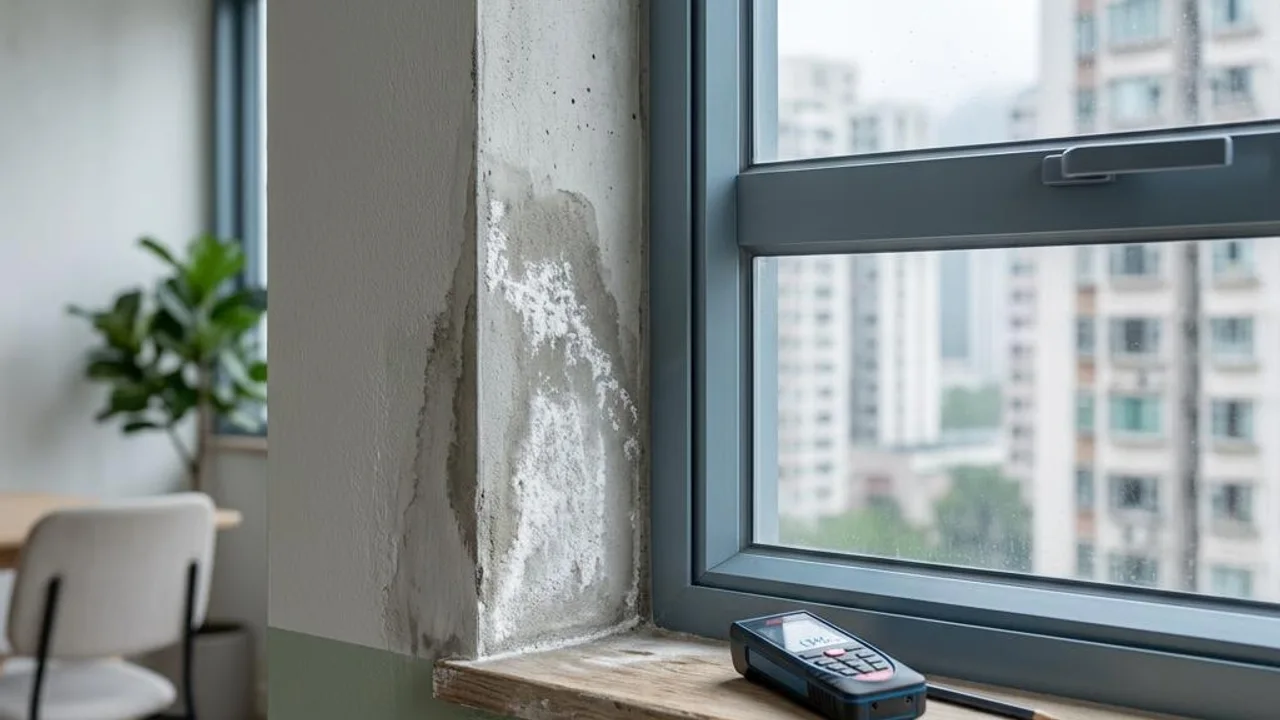
Hong Kong's climatic characteristics have a direct impact on inspection results. The high humidity in spring and summer is the golden period for assessing whether wall waterproofing, window seal integrity, and drainage systems have leaks. If inspected during a dry season, some concealed seepage defects may not be apparent due to insufficient rainfall.
Conversely, specific climatic environments are conducive to testing electrical appliances and HVAC systems. For example, summer is favorable for checking air conditioner cooling performance and drainage flow, while winter is suitable for evaluating indoor electrical load and water supply system stability. It is recommended to flexibly adjust the inspection season based on the equipment configurations within the property.
- Humid season priorities: Inspect wall waterproofing, window seepage, and various drainage systems.
- Hot season priorities: Test air conditioner cooling performance, operating noise, and drainage piping.
- Seasonal adaptation advice: Plan inspection points specifically based on internal equipment in the unit.
Efficiency and time management in the inspection process
Hasty property inspections often lead to missing details, especially for older buildings or units with complex internal structures. Beyond basic visual checks, if the inspection involves structural depth analysis or system-specific tests, owners should reserve sufficient time to ensure the surveyor can complete systematic operational assessments.
Effective time management also includes arrangements for repair coordination. After receiving the initial inspection report, if major repairs are involved, time must be reserved for maintenance personnel to perform defect rectification, followed by scheduling a reinspection to confirm engineering quality. This closed-loop time planning effectively avoids subsequent trouble caused by improper repairs.
- Time allocation principle: Ensure enough room to coordinate necessary repair works before moving in.
- Special test arrangements: If special inspection items are required, apply in advance and coordinate the corresponding technical arrangements.
Coordination and preparation for on-site inspections
A smooth inspection process relies on meticulous on-site preparation. Professional surveyors need to conduct checks under good natural light conditions to ensure that subtle construction defects, such as uneven paintwork or wall cracks, can be clearly identified. Therefore, it is recommended to lock in inspection times during daylight hours to ensure indoor visibility is not disturbed.
Additionally, on-site water and electricity supply is the foundation for executing various functional tests. Before booking an inspection, owners should confirm the status of electricity supply and water pressure in the unit with the developer or former owner. If the water or electricity supply is abnormal on the day of the test, it will directly affect the completeness of equipment operation testing.
- Ideal inspection time slot: Recommended to be scheduled between 09:00 and 18:00 during the day.
- Infrastructure confirmation: Ensure normal water and electricity supply in the unit for practical operation testing of equipment.
- Early booking strategy: Avoid peak handover periods and contact the inspection team as early as possible to lock in the schedule.
Key observation points and follow-up during property inspection
During the inspection, owners should cooperate with professionals for observations and truthfully record discoveries. This includes checking if water pipes drain normally, whether electrical switches operate correctly, and if doors and windows open and close smoothly. Owners should have professionals assess the causes of observed abnormalities; do not attempt to dismantle equipment themselves.
For issues that cannot be judged on the spot, owners should request qualified personnel to conduct professional investigations rather than coming to their own conclusions. Through structurally recording inspection information, owners can have more logical and evidence-based grounds during subsequent negotiations, ensuring the property reaches an ideal state for use upon move-in.
- Observation priorities: Record the operational status of various doors and windows, faucets, drains, and electrical switches.
- Follow-up: For defects with unknown causes, request on-site investigation by professional technical personnel.
- Record keeping: Organise all inspection findings into a list for communication and verification with relevant parties.
FAQs
Is destructive testing required during property inspection to confirm wall seepage?
No. The professional inspection process should be based on the principle of not damaging the original structure. Assessments are made by observing wall surface abnormalities and using moisture meters. If leakage is suspected, consult professionals to conduct a systematic inspection.
If the surveyor finds that the electrical system is aging, can the owner check the wiring themselves?
Absolutely not. Any inspection or repair involving the electrical system must be carried out by a qualified electrical technician. Owners should not dismantle electrical switches or handle live parts themselves to avoid danger.
Window problems discovered during inspection caused by direct sunlight: What needs to be checked?
Long-term sun exposure may affect sealing strips and window frame coatings. Owners should check whether window seals are brittle and if the window frame deformation or resistance occurs during opening and closing. If there are concerns, ask professionals to assess whether window functionality remains normal.


