
Clarify the scope and responsibilities of property inspection
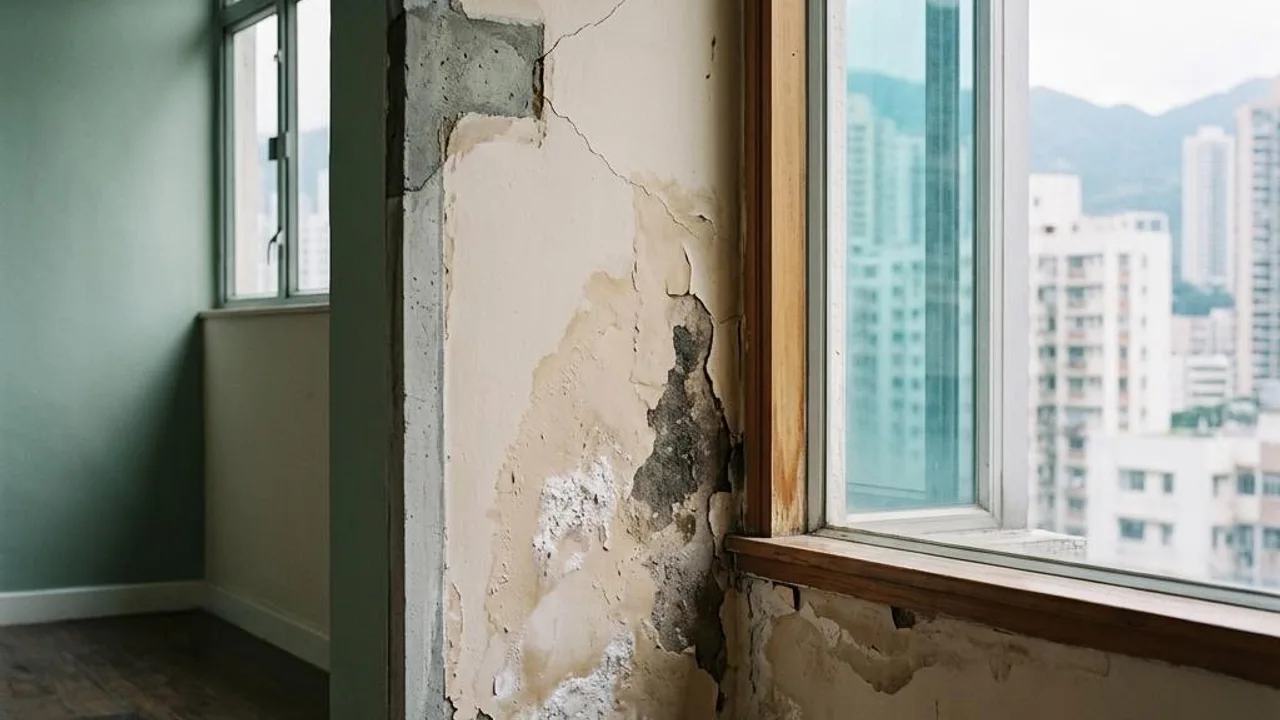
Before conducting a building inspection, owners should understand the limitations and scope of the inspection service. The inspection cannot guarantee structural safety, absolute compliance of electrical or gas supplies, the condition of concealed pipes, the thickness of waterproofing layers, or predict the remaining life of facilities. Thermal imaging only displays surface temperature distribution and cannot directly determine the cause of seepage or hidden structural issues. Building inspection is not a mandatory window inspection; the latter must be conducted by a qualified person registered with the Buildings Department. If professional safety matters are involved, consult relevant statutory professionals and do not rely on inspection reports as a safety guarantee.
It is recommended that owners avoid performing electrical tests themselves, dismantling devices, adjusting water pressure valves, or climbing on exterior walls to reach windows, and instead entrust all professional repair requirements to qualified contractors.
During the inspection process, it is recommended that owners maintain good communication with the professional inspector and list their own concerns, such as the drainage speed in the kitchen or potential water seepage on the walls. Although the property inspector will conduct tests based on professional guidelines, providing the unit's renovation records or design plans allows the inspection work to be more targeted, ensuring all explicit and some implicit issues are included in the evaluation record.
- Define the boundaries of a property inspector's responsibilities and the scope of inspection
- Confirm whether the inspection report includes a basic electrical safety audit
- Verify the operating status of the water supply and drainage systems
- Proactively provide renovation records to enhance inspection targeting
Standards for selecting a professional inspection company
When choosing a property inspection company, price is absolutely not the only consideration. There are providers of varying quality in the market; if you ignore service quality in pursuit of excessively low prices, it often leads to vague report content that fails to reflect actual problems. Owners should evaluate the company's qualifications, years of experience, and track record to ensure the service personnel possess practical experience in handling different types of buildings, thereby avoiding subsequent maintenance risks caused by incomplete inspections.
In addition to professional qualifications, the details of the service agreement are equally important. Before signing, owners should confirm whether the inspection items included in the report are exhaustive and inquire about the release time and format specifications of the inspection report, so as to manage time during the property handover process and ensure that defects can be rectified and repaired in a timely manner within the maintenance period.
- Evaluate the inspection company's qualifications and industry reputation
- Verify the specific inspection items in the service agreement
- Understand the release time and format specifications of the report
How to correctly interpret a property inspection report
The received property inspection report usually contains various technical data and defect descriptions; owners should first distinguish the urgency of the problems. Issues involving structural safety or serious water leakage need priority, while minor finishing flaws can be prioritized lower. Remember to compare the provisions in the report with the actual on-site situation to ensure that every discovery is well-founded.
If technical terms that are difficult to understand appear in the report, do not guess blindly; it is recommended to consult a professional with engineering knowledge for an explanation. After clarifying the terms, the report should be properly preserved and provided to the developer or contractor as key evidence for implementing repair plans during the warranty period, so as to avoid delays in repair progress due to communication misunderstandings.
- Distinguish the level of urgency of the problems in the report
- Compare the report with the actual damage on-site
- Consult professional personnel to clarify technical terms in the report
- Ensure that repair plans are implemented within the warranty period
The importance of owner participation on-site
Where conditions permit, it is very important for owners to personally participate in the property inspection on-site. This is not only an opportunity to observe the inspector's working process, but also allows you to see the specific location of issues immediately. For some visible defects, such as cabinet door gaps or hollow tiles, communicating with the inspector on-site can make you more confident in your requirements for repairs from the contractor, and can also prevent future misunderstandings regarding the report's conclusions.
Furthermore, on-site observation can help owners better understand the inspector's testing logic. You can record key issues and observe the potential impact of defects on daily use under professional guidance. This process of personal participation also helps in providing clear and concrete on-site evidence when communicating maintenance details with the contractor later, significantly reducing disputes caused by information asymmetry between the two parties.
- Observe the property inspection process on-site
- Record issues discovered during testing
- Communicate with the inspector on-site to confirm identified flaws
- Ensure a clear basis for communication with the contractor
Seeking professional follow-up support
After the property inspection, many owners face difficulties in how to handle the defect report. If the developer disagrees with the report's content, or if the repair works involve complex electrical or water issues, it is recommended to seek the intervention of a professional engineering consultant for mediation or assessment. A professional consultant can not only interpret complex engineering data but also formulate reasonable follow-up repair plans for you, avoiding the escalation of problems due to haphazard repairs.
When executing repair works, the qualifications of the contractor must be strictly verified. It is recommended to prioritize registered contractors to ensure that repair methods comply with building safety standards and to evaluate the legality and stability of the repair plan from a long-term perspective. Avoid commissioning unlicensed technicians just to save short-term costs, so as not to cause unnecessary structural damage or potential safety risks to the building.
- Evaluate the professionalism and legality of the repair plan
- Verify the professional qualifications of relevant registered contractors
- Avoid expanding building damage due to improper handling
FAQs
Must hollow tiles discovered in the property inspection report be replaced immediately?
Whether hollow tiles need replacing depends on their area and location. Usually, owners should submit findings in the report to the developer or contractor for evaluation; professionals will determine the extent of the impact based on relevant industry acceptance guidelines and they will be responsible for the repair plan.
What if the developer disputes the inspector's report?
If the developer questions the report's content, owners can seek a third-party professional engineering consultant to re-evaluate and use this professional opinion as a basis for repairs. The key is to maintain objective evidence and negotiate with the developer through the interpretation of professionals.
Can a property inspector prove whether wall seepage is caused by a neighbor or the exterior wall?
The property inspection report mainly records the seepage traces and locations observed on-site. Property inspectors usually do not perform destructive tests to determine the exact root cause of seepage. If owners encounter seepage, they should invite professionals specializing in seepage detection to conduct a detailed investigation to confirm the specific source of the problem.


