
The importance of residential property inspection procedures
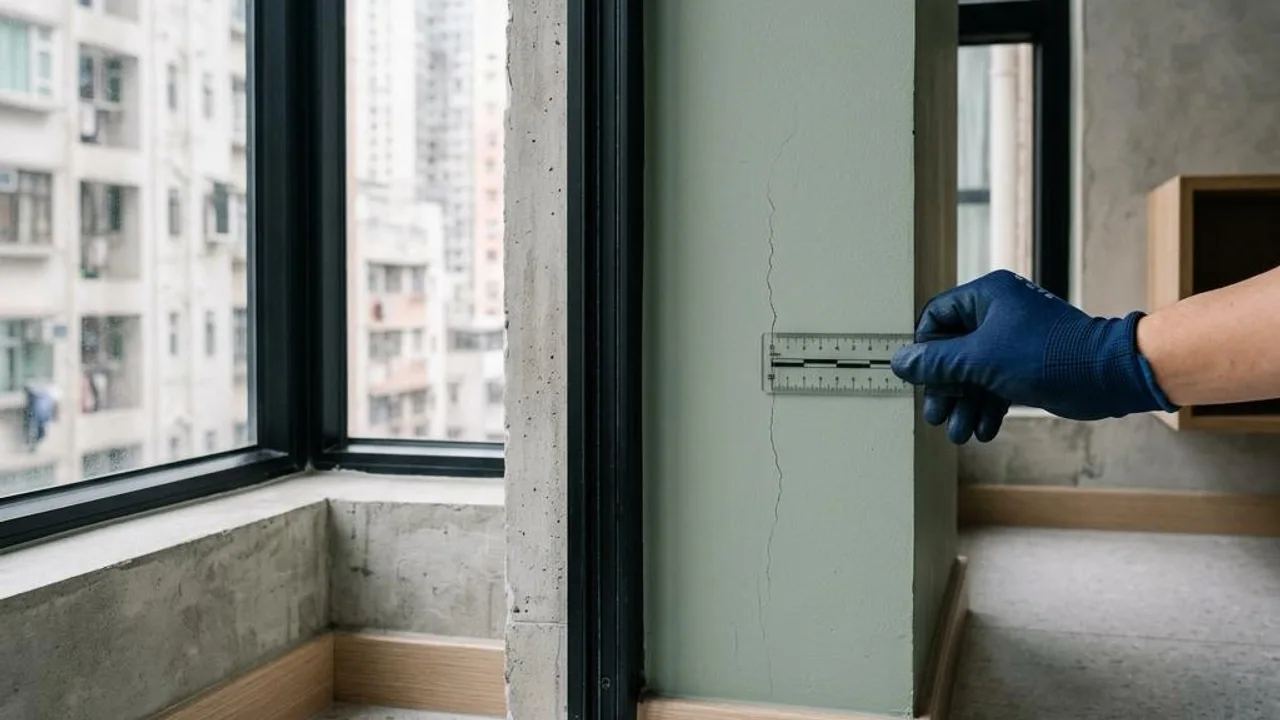
Property inspection is an essential procedure after purchasing a new property. Through systematic inspection, owners can discover defects that affect living comfort, such as hollow wall tiles, water leaks, or faulty power sockets. Identifying problems early and requesting the developer to fix them before formal handover and renovation move-in is the key to maintaining property value and ensuring future living safety.
Conducting a comprehensive inspection can effectively avoid repair disputes after moving in. By inspecting themselves or hiring professionals, owners can clarify the liability for defects and ensure the functions and quality of all facilities meet the agreed standards of the property transaction.
- Protect owner rights and ensure property quality meets promises
- Discover renovation defects early to avoid disputes after moving in
- Identify structural and functional hazards of the house
Preparatory work before property inspection
Before the property inspection, doing sufficient preparatory work can significantly improve efficiency. Owners should prepare basic tools in advance, including a flashlight (for checking dark areas), a spirit level (for checking the flatness of floors, doors, and windows), a notebook, and color stickers. It is recommended that owners review the sales brochure to ensure a clear understanding of the property specifications.
Before conducting the inspection, it is necessary to develop a clear checklist. The list should cover all rooms in the house, classifying and arranging walls, floors, ceilings, doors, windows, and water/electricity facilities. This organized preparation method ensures that no key details are missed during the acceptance process.
- Prepare a flashlight, spirit level, color stickers, and a notebook
- Familiarize yourself with property specifications and relevant contract requirements
- Compile a categorized inspection checklist to ensure an orderly process
Functional internal environmental inspection
Internal inspections need to start with the details. For walls and ceilings, pay special attention to hollow areas, cracks, or signs of water seepage, as these are common construction defects. For floors, check if they are laid evenly and if there are any warping or abnormal sounds when walking. For doors and windows, the focus is on the smoothness of opening/closing and sealing performance, ensuring that there is no air leakage or difficulty in closing tightly.
Water and electricity facilities are key points of inspection. Test whether all switches and sockets are working properly and check for leaks in taps. According to home safety requirements, any electrical installations involving modifications must be handled by a registered electrical contractor. During the property inspection, it should be confirmed that they meet safety standards.
- Check whether the walls have severe hollow areas or signs of water seepage
- Verify floor flatness and stability when walking
- Test the operation of switches, sockets, and the water supply system
- Ensure the indoor ventilation system is working properly
Assessment of external and common facilities
In addition to indoor inspection, external and common facilities of the residential area are equally important. External wall inspection mainly focuses on appearance issues such as cracks and falling tiles to ensure the external structure is sound. Inspection of the balcony drainage system is particularly critical; it should be ensured that drainage is smooth and there is no water accumulation, otherwise it may lead to water seepage to the floor below.
If the housing estate has common facilities such as lifts, lobbies, and car parks, owners can observe their general operation. For units subject to the Mandatory Window Inspection Scheme, owners should check whether window components are secure; mandatory window inspections involve statutory procedures and must be carried out by qualified persons registered with the Buildings Department. Such testing is an independent statutory requirement and should not be confused with general residential acceptance. If you have concerns about the window structure, you should hire a professional to conduct an inspection.
- Observe whether there are obvious cracks in the external wall finishes
- Ensure the balcony drainage system remains unobstructed
- Pay attention to the status of common spaces such as lift and corridor facilities
Response suggestions for problems discovered during property inspection
If serious cracks, persistent water seepage, or structural concerns are observed during the property inspection, owners should record the problem locations in detail and take photos for filing. Do not attempt to dismantle any decoration or perform destructive tests yourself, so as to avoid unnecessary damage or safety hazards.
Owners should submit the discovered problems in writing to the property management office or developer and request follow-up by a qualified person within the specified time limit. If there are concerns about the repair results, one should insist on having a professional engineer conduct an assessment to ensure that the repair work complies with safety regulations.
- Record the problem location and take photos for filing
- Do not dismantle decorations for destructive testing yourself
- Submit a written repair request to the management office
- If you encounter structural hazards, please hire a licensed engineer for assistance
FAQs
How should I handle hollow wall areas discovered during my own property inspection?
Owners should use a notebook to record the location and scope of the hollow areas in detail, mark them with color stickers, take photos as evidence, and report them to the developer or property management office, requesting a professional repair team to follow up.
Does it mean there is a safety structure problem if the window cannot be closed tightly during inspection?
Window opening/closing problems may be due to installation adjustments or component wear and tear. Owners should include the issue in the acceptance checklist and request the contractor to check the window hinges and sealing strips. If structural safety is suspected, a registered professional should be hired for assessment.
How to confirm whether the electrical system in the unit meets safety requirements?
Owners can test the functionality of socket switches, but regarding the compliance and safety of the electrical system, it must be professionally inspected by a registered electrical contractor. It is not recommended for owners to dismantle socket panels or perform live measurements themselves.


