Cultural origins of 'Bai Si Jiao' before moving in.
As a move-in traditional ritual, 'Bai Si Jiao' carries the aspirations of Chinese society for living and working in peace. In traditional Feng Shui theory, the four corners represent the four sides of a building. Through the offering ritual, one expresses respect for the land deities, hoping the new home will become a safe haven and bless the family with safety.
In modern society, beyond retaining traditional Feng Shui connotations, this custom is often viewed as a spiritual ritual for securing the home. For many prospective owners, completing this ceremony can alleviate tension before moving into a new home, establishing a sense of identification and psychological security with the new environment.
- Express respect for the environmental deities.
- Symbolizing the expulsion of old energy and the introduction of new blessings.
- Establish psychological preparation for new life.
- Inherit family traditional Feng Shui culture.
Offerings preparation and supply checklist.
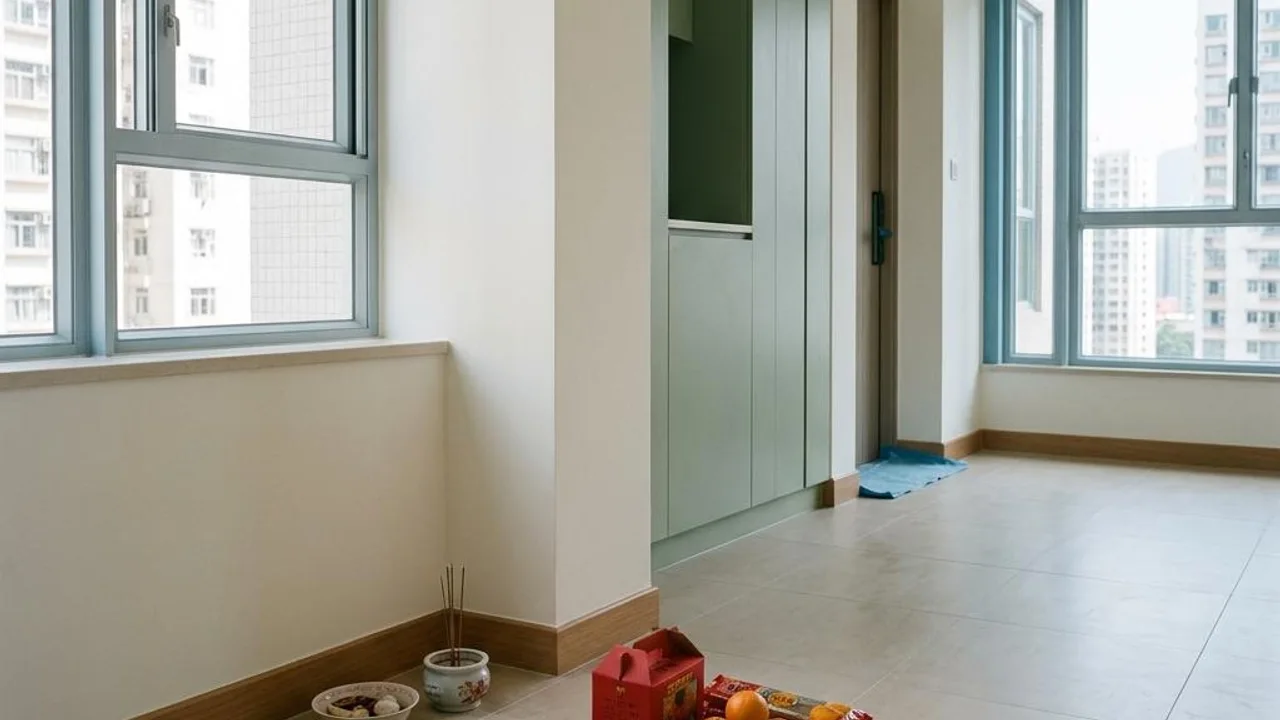
Before performing 'Bai Si Jiao', you need to prepare appropriate offerings. Traditionally, this includes baked cakes, candies, fruits, tea, and wine, symbolizing sweetness and harvest. Additionally, you need to prepare incense, candles, and an incense burner to convey the practitioner's intentions.
The preparation of materials should be kept clean, reflecting sincerity for the ceremony. Offerings can be placed on a flat tray and kept tidy; there is no need to be overly extravagant. The key to the ceremony is sincerity; the focus is on completing the entire process of worship, not the luxury of the offerings.
- Traditional cakes or baked cakes.
- Five different types of fruit.
- Three cups each of tea and wine.
- Incense, candles, and incense burner.
Process and correct order of 'Bai Si Jiao'.
The order of offerings usually follows the directions; it is generally recommended to start from the southeast corner, then follow a clockwise direction: southeast, southwest, northwest, northeast, and finally concluding the ceremony in the center of the unit.
In each corner, after lighting the incense, you can silently make wishes for peace and stability in the new home. Be cautious with fire during the ceremony, ensure good indoor ventilation, and make sure the incense is completely extinguished after the ceremony to avoid leaving any safety hazards.
- Light incense at the four corners and silently pray for blessings.
- Strictly observe the clockwise direction.
- Pay attention to indoor fire use and ventilation.
- Ensure the fire is extinguished after the ceremony ends.
Simple practice in modern life.
In modern urban spaces where room is limited, the 'Bai Si Jiao' ceremony can also be simplified. The focus is on respect and care for the new residence. Through the ritual, organize your mood, tidy up the space, and ensure the property environment is clean and safe before moving in.
Many modern owners combine 'Bai Si Jiao' with the property inspection process, focusing on both material checks and spiritual peace. Regardless of how the ceremony is simplified, maintaining a passion for life and care for the environment remains the core value.
- Keep the ceremony simple without losing sincerity.
- Plan synchronously with the property inspection process.
- Pay attention to indoor safety to prevent accidents.
- Use this ceremony to purify psychological stress.
Professional inspection and environmental safety.
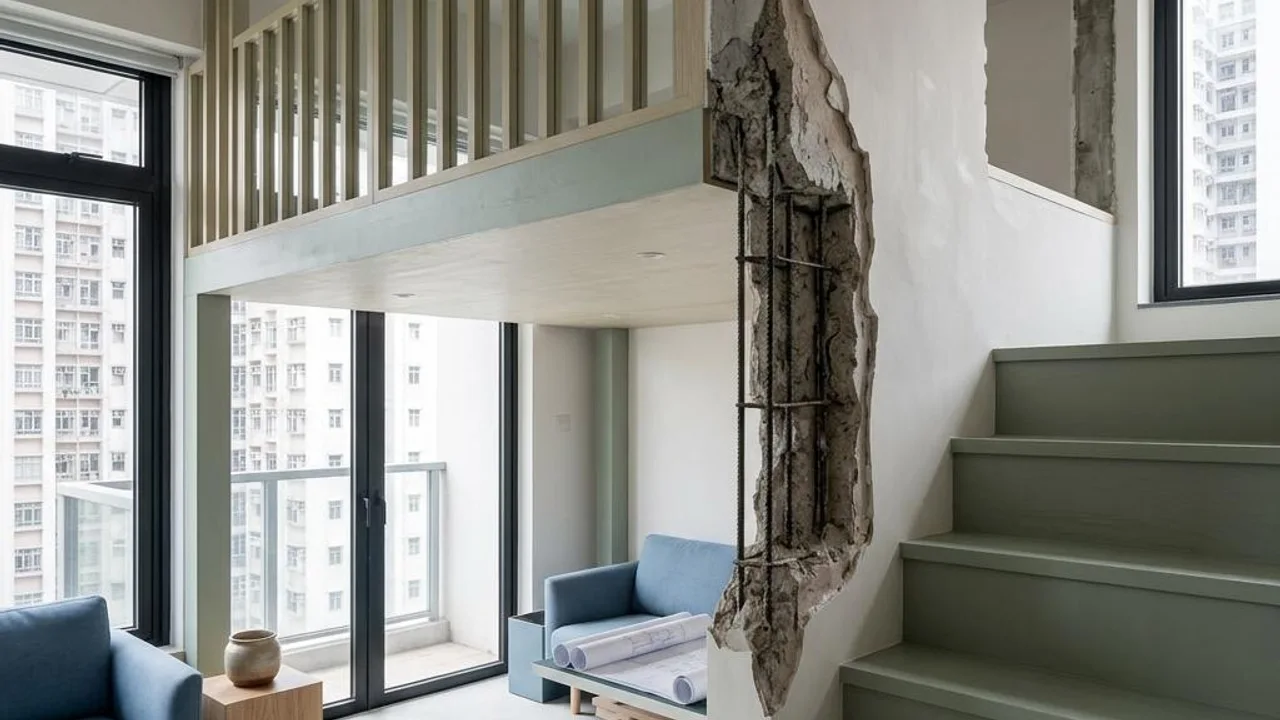
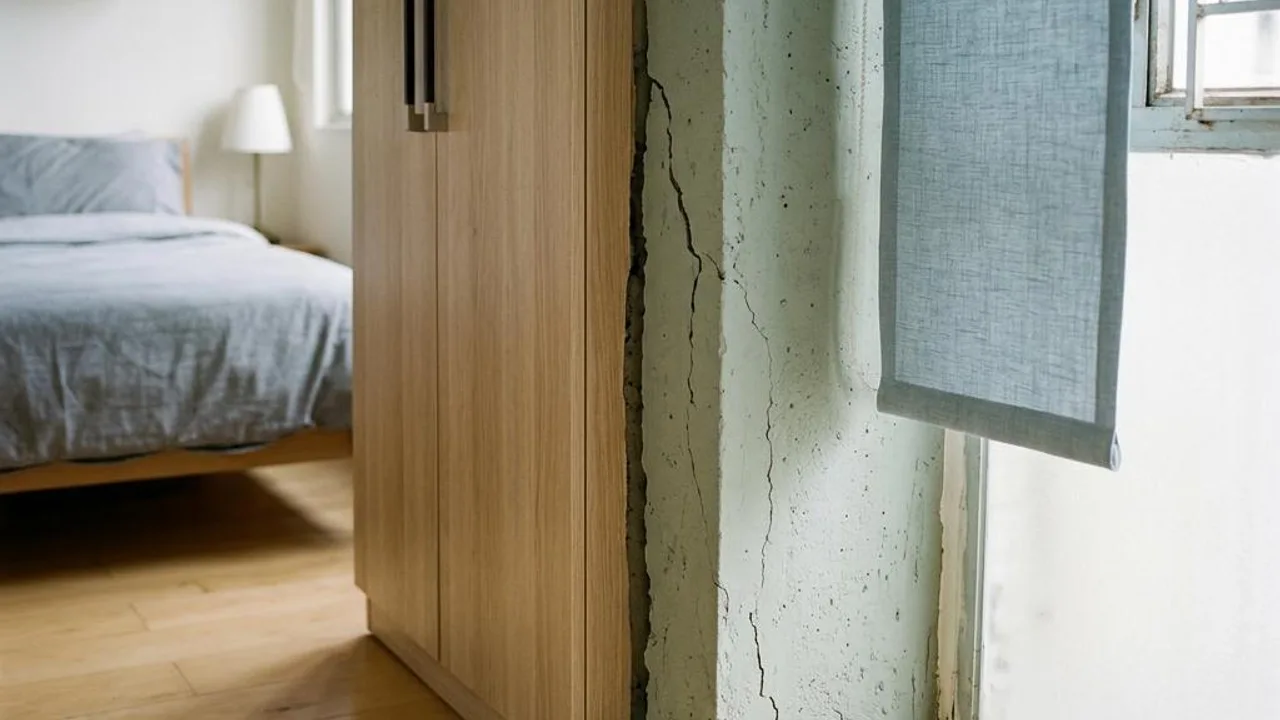
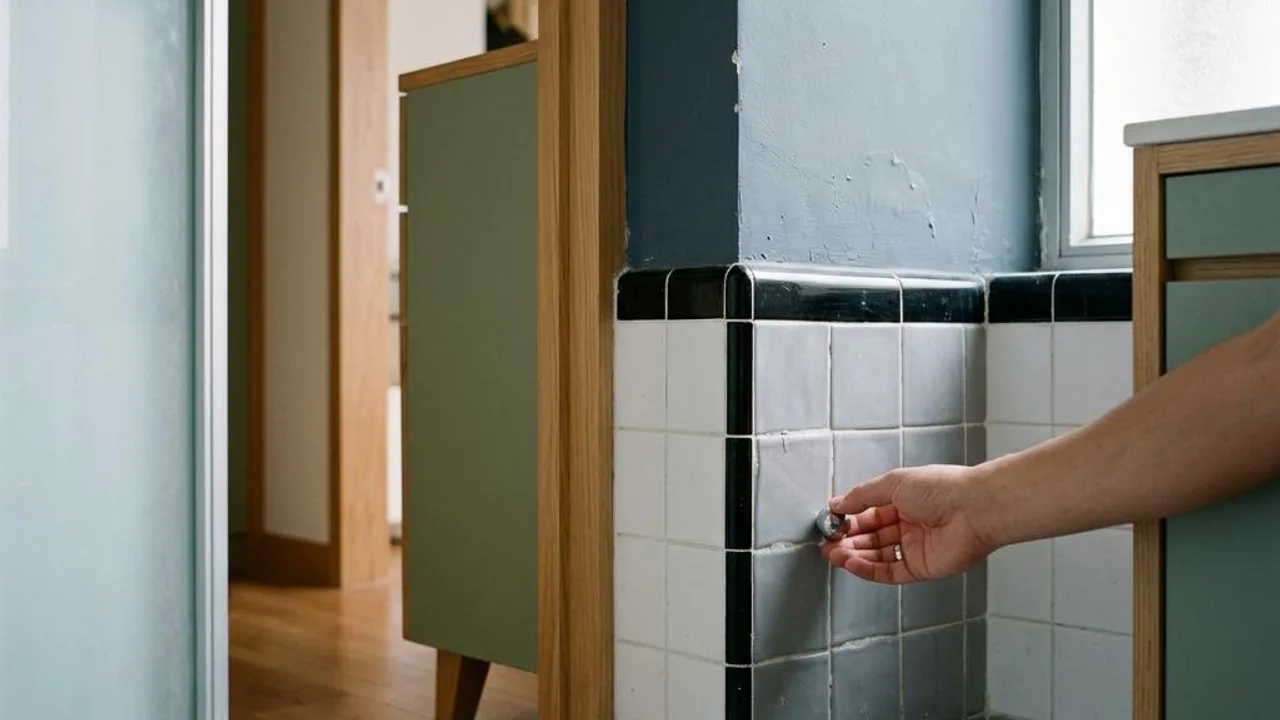
Before performing the ritual, homeowners should first complete hardware inspections of the new home. A professional property inspection process can effectively discover potential hazards, such as water supply, drainage, or wall seepage issues, which are crucial for ensuring the safety of future living.
If a homeowner discovers seepage marks or equipment abnormalities in the home environment, they should record them in detail and consult professionals for testing. Combining physical environment repairs with spiritual move-in ceremonies can lay a more solid and reliable foundation for a new life.
- Professional inspection guarantees hardware safety.
- Discovering hazards reduces move-in risks.
- Impartial property inspection service provides more peace of mind.
- Lay a reliable foundation for new life.
FAQs
Must 'Bai Si Jiao' be completed on the move-in day?
Traditionally, it can be performed on an auspicious day before officially moving in. Modern owners mostly do it after receiving the keys, before renovation or moving in, so it can be performed while the environment is empty.
If there is no incense burner at home, how can it be done?
You can use a stable tray as a substitute, ensure the incense and candles are upright and stable, and pay attention to indoor ventilation. Never place burning incense or candles near flammable objects.
If property inspection discovers seepage marks, will it affect 'Bai Si Jiao'?
The two do not conflict. 'Bai Si Jiao' belongs to the ritual category, while seepage discovered during property inspection should be recorded as soon as possible and queried with professionals. Handling environmental hazards before the ceremony will make the homeowner feel more at ease.