
Key significance and procedures of property inspection.
Property inspection is a key step for owners to confirm the unit's condition before handover. Through systematic checking, construction oversights can be discovered immediately and follow-up requested. This not only safeguards the owner's rights but also avoids discovering problems after moving in, which would affect living comfort.
A professional property inspection process should cover all basic facilities of the property. Through careful observation and non-destructive testing, owners can identify common flaws in renovation details and record various repair items that need follow-up, ensuring the property complies with relevant handover standards.
- Safeguard owner handover rights and property quality.
- Detecting water leakage and construction issues in concealed facilities
- Verifying the functionality and safety of water, electrical, and gas installations
- Identifying finishing defects through a professional perspective
Structural and wall quality testing.
The condition of walls and floors reflects the quality of workmanship. Owners should observe whether wall surfaces are level and if paint is blistering or peeling, and perform a tapping test to check for hollow sounds in floor tiles, which helps determine if mortar filling is sufficient.
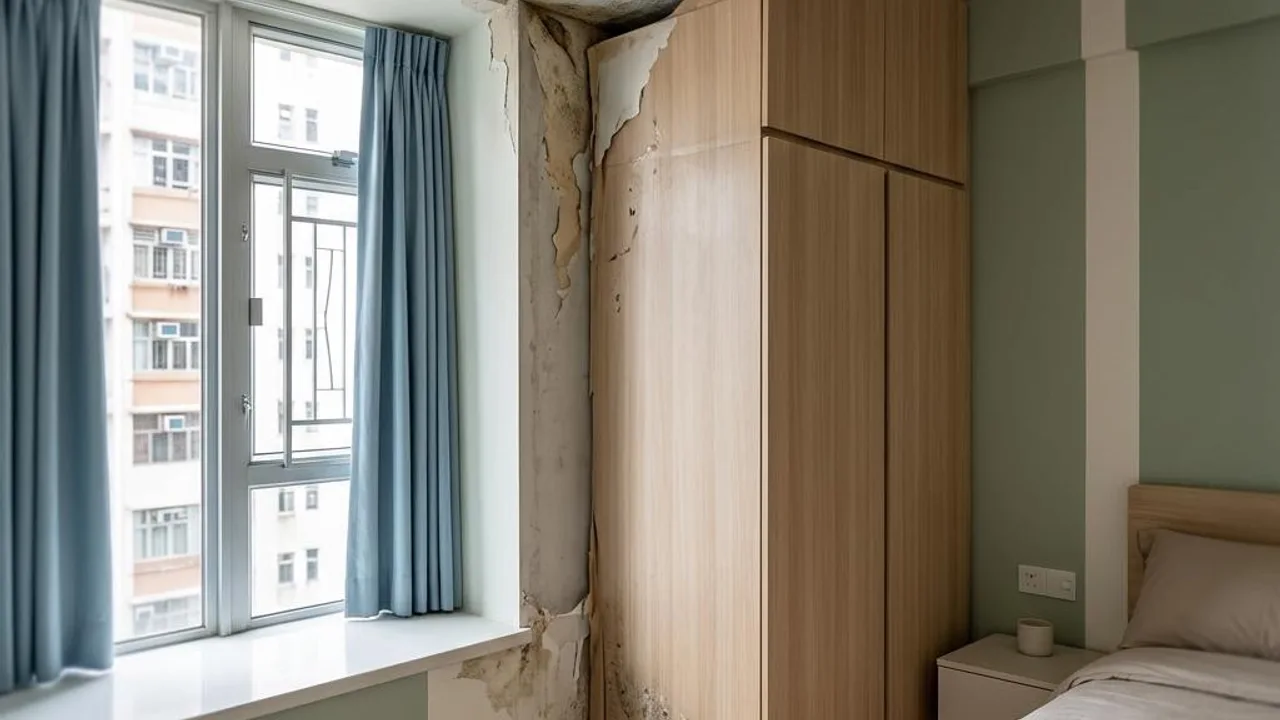
During observation, if abnormal signs of leakage are found, such as mould spots or damp patches on walls, further investigation is required to determine if the waterproof layer was installed completely. If these hazards are not dealt with promptly, they may lead to more serious leakage problems in the future and should be recorded early for professional assessment.
- Inspecting walls and ceilings for structural cracks
- Tapping test to check for hollow floor and wall tiles
- Observing wall damp marks and mould growth
- Checking waterproof sealant at window frame and wall junctions
Electrical, plumbing facilities, and safety hazard inspection.
Electrical safety in the home is vital; checks include the operation of distribution board switches, power supply at sockets, and whether air-conditioning circuit distribution is reasonable. All modifications and inspections involving fixed electrical installations should comply with safety standards and be handled by a Registered Electrical Contractor.
Regarding plumbing systems, the focus is on checking water pressure, drainage speed, and leaks at joints. Drainage systems in kitchens and bathrooms require on-site testing to ensure smooth flow, and checking for overflow risks at drain points. If water droplets are found at pipe connections, they should be recorded and addressed immediately.
- Testing socket power supply status and circuit load
- Checking the function and labelling of switches in the distribution board
- On-site testing of water supply pressure and drainage system flow
- Observing pipe joints for signs of leakage
Window and gas system safety.
Window inspection focuses on the smoothness of mechanical operation and sealing performance. During OPO Inspection, evaluate whether window opening mechanisms, catches, and hinges are secure, observe if glass has scratches, chips, or cracks, and check the integrity of window frames and waterproof gaskets to prevent rainwater ingress.
For gas systems, owners should check gas pipes for exterior corrosion and ensure the ventilation environment is good. Any modifications or in-depth testing involving gas pipes must be carried out by a Registered Gas Contractor; owners should not perform any disassembly or testing themselves.
- Checking that window opening, closing, and catches operate smoothly
- Observing if glass has scratches, chips, or cracks
- Checking the exterior of gas pipes and ensuring a ventilated environment
- Checking the integrity of window frames and waterproof gaskets
Acceptance strategies and follow-up before handover.
When defects are found in a unit, recording them in detail in the OPO Inspection report is a crucial step. This not only assists developers or contractors in clarifying maintenance priorities but also serves as a baseline for future reinspection to ensure all issues have been properly resolved.
Maintain good communication between both parties during defect rectification and consider engaging a reinspection service if necessary. Before final handover, ensure that you personally or through a professional confirm that all repaired facilities have returned to normal function, ensuring living safety and quality.
- Recording all discovered defects in detail in the report
- Maintaining good communication between parties during defect rectification
- Considering the need to hire reinspection services
- Confirming all repaired facilities have regained functionality
FAQs
During a self-conducted property inspection, how should you handle suspected leakage marks on the walls?
If you find mould spots or damp patches on walls, first take photographs to record their location and size, and fill in the OPO Inspection checklist in detail. The source of leakage might be a failed waterproof layer or a burst pipe; it is recommended that the owner report this to the person in charge and request that a professional be arranged to use equipment for further investigation and necessary repairs.
During a distribution board check, can owners test the residual current circuit breaker (RCCB) themselves?
Owners can observe whether the switch labels in the distribution board are clear, but specific circuit tests, such as whether the RCCB trips correctly or line load checks, should be performed by a Registered Electrical Contractor. Owners should avoid performing circuit tests inside the distribution board to ensure electrical safety.
Is it a major safety issue if window gaskets are found to be coming off during a property inspection?
If window waterproof gaskets are loose or aged, it may lead to water ingress during rain and is a maintenance item. Although it may not cause the window to fall off immediately, it should be recorded and repaired to ensure window frame sealing and avoid wall damage from prolonged water ingress.


