Deconstructing the psychological conflict on the developer's handover site.
During property inspection, developers often create a sense of urgency through administrative processes, such as emphasizing crowd pressure at the handover centre or queuing waiting times, attempting to urge owners to sign property inspection documents as quickly as possible. Under this psychological pressure, many owners rashly confirm without carefully checking window hinge installation or floor levelness, leading to the need to bear defect rectification expenses that should have been the developer's responsibility when defects are discovered later.
Owners must remain calm and stick to their own checking pace, and should not easily believe the overly enthusiastic service talk or suggestive rhetoric of on-site staff. All defects observed, large or small, should be recorded in detail and photographed for evidence. Avoid signing the confirmation form hastily before confirming that all key items, such as water and electricity supply and window opening/closing status, are correct, so as to protect your property investment rights.
- Beware of overly enthusiastic service talk.
- Do not be affected by the created sense of time urgency.
- All observed defects should be recorded.
- Do not sign hastily without confirming key items.
Physical blind spots and hidden seepage risks when inspecting on a sunny day.
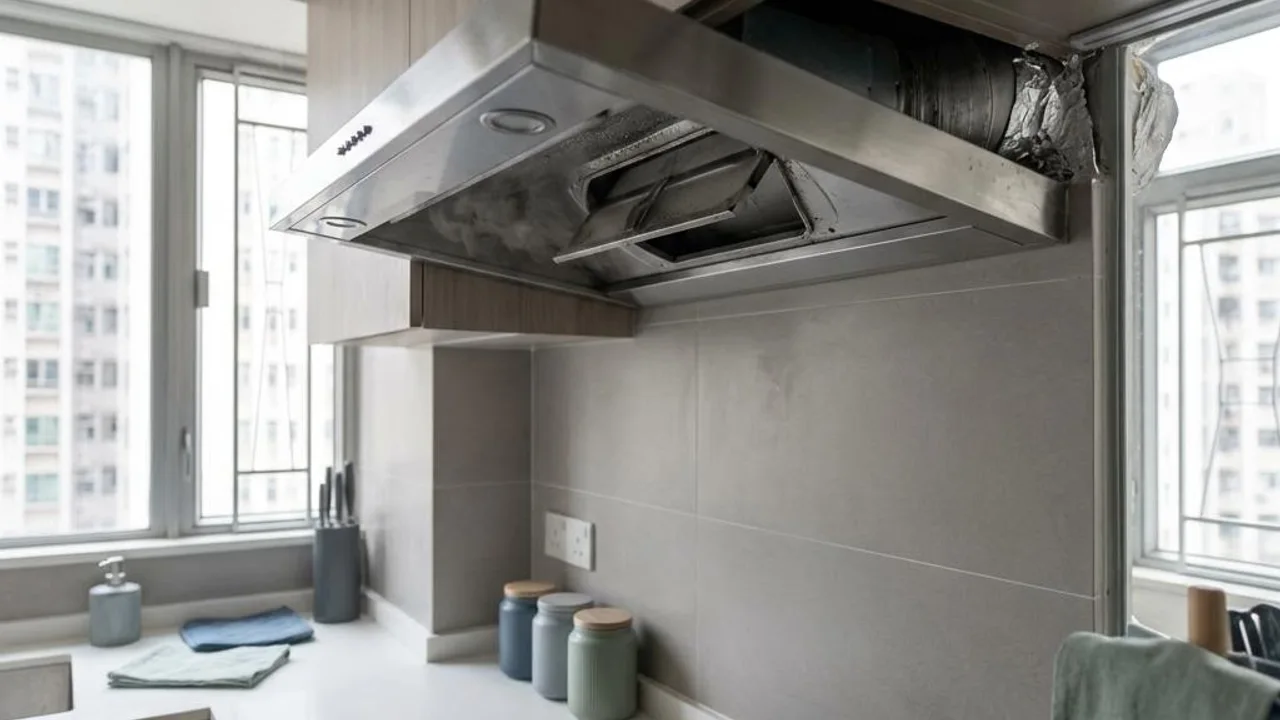
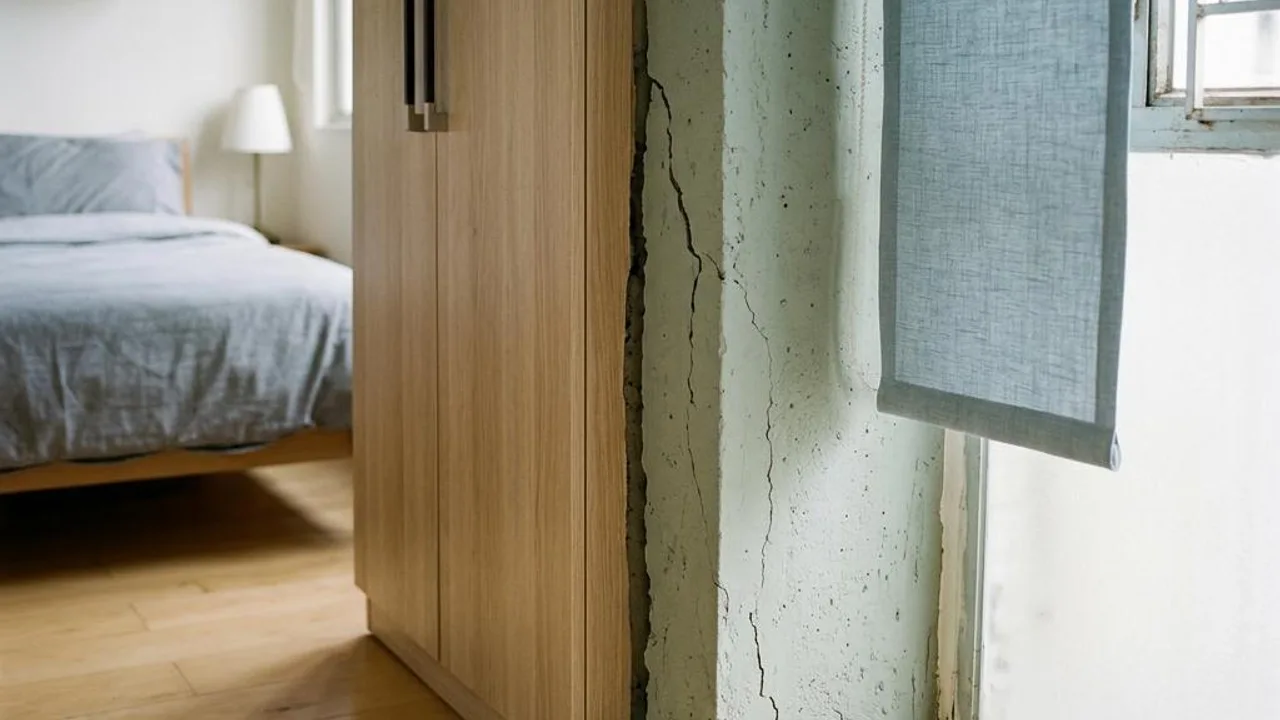
Many owners prefer to inspect properties on sunny days, but from an architectural physics perspective, strong sunlight creates diffuse reflections that mask subtle ripples or paint tears on walls, causing visual bias and making surface construction defects extremely difficult to distinguish with the naked eye. Furthermore, dry weather will temporarily hide fine cracks in window frame joints or the phenomenon of waterproof layer ageing; only after experiencing bad weather tests and water seeping into the wall will water stains emerge.
The waterproof layer of hidden pipes in kitchens and bathrooms is also concealed; without long-term water injection and pressure testing, it is difficult to conclude by the naked eye whether the waterproof layer has failed. Therefore, you cannot judge the unit's condition solely by surface appearance during property inspection. Visual inspection in dry weather is only preliminary; if you have doubts, you should consider seeking more in-depth professional inspection.
- Strong light on sunny days easily masks wall ripples and paint tears.
- Hidden pipe water seepage cannot be immediately identified by the naked eye alone.
- Window frame waterproofing needs to undergo rainstorm pressure testing to be easily revealed.
- Dry weather will conceal potential defects in the waterproof layer.
Professional and practical self-inspection strategies: A tool preparation guide.
Prospective owners should carry appropriate auxiliary tools on the day of property inspection. Prepare yellow sticky notes and permanent markers to mark and number the locations of defects found, facilitating subsequent organization and evidence storage. In addition, using a high-brightness flashlight to illuminate the wall from a low 15-degree angle can quickly outline pits and uneven plastering on the paint surface using shadows; this is the most intuitive method for checking the exterior.
Regarding water and electricity facility inspection, you can test whether sockets are powered using a simple charger, and fill the washbasin and shower tray with water before draining to observe if the drainage is smooth. Please note: do not use hard metal objects to tap stone or glass, so as to avoid man-made damage. For deeper hazards involving structural hollow plastering and window frame waterproof safety, you should commission a professional to conduct a comprehensive inspection.
- Use yellow sticky notes and permanent markers to record defects.
- Use a side-lighting flashlight at a 15-degree angle to check wall flatness.
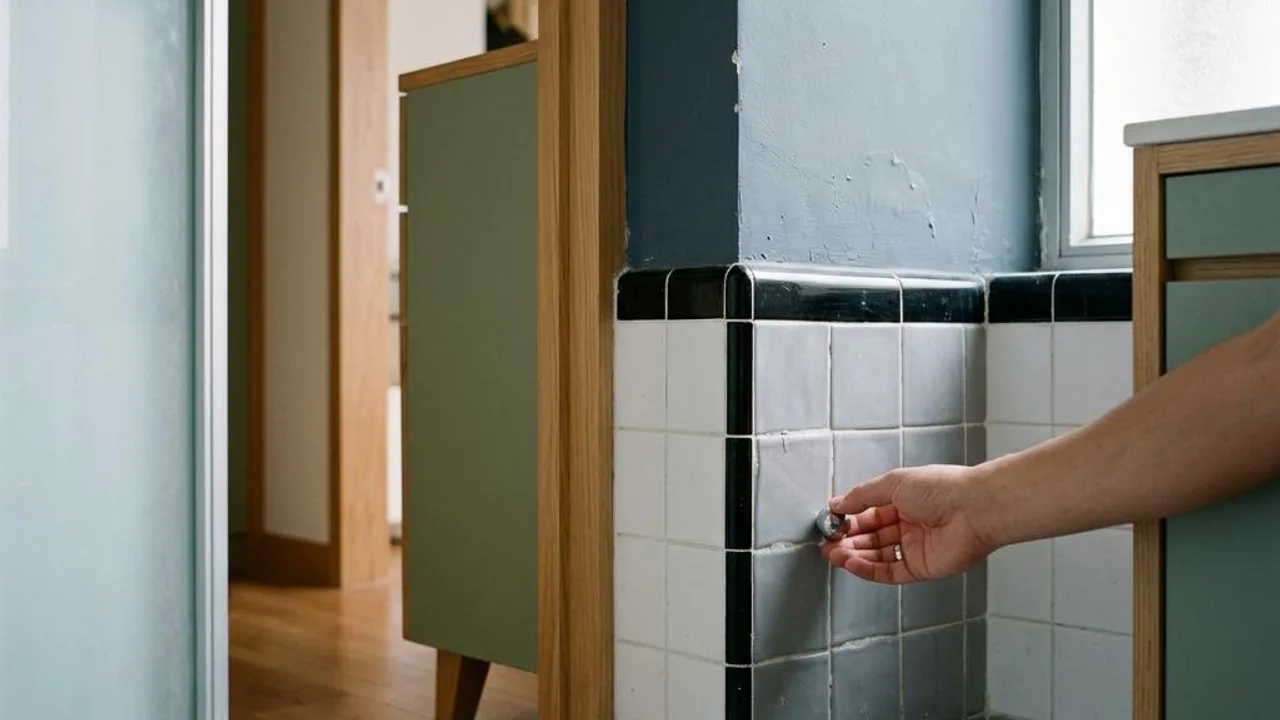
- Use the water injection method to test the smoothness of washbasins and drainage systems.
- Use a simple charger to test the power supply condition of sockets.
Effectiveness comparison of common inspection modes.
The official property inspection guide provided by the developer tends to be more of a recording format. If owners rely solely on this document, they will often ignore core hazards like hidden pipe seepage or structural hollow plastering. Although simple visual self-inspection can record surface collisions and scratches, it has extremely low accuracy when facing issues like waterproof airtightness inside the building structure, and it is difficult to use as a strong argument for demanding in-depth defect rectification.
In contrast, the OPO Inspection professional property inspection team uses instruments such as infrared thermal imaging cameras and microwave moisture meters to quantify moisture and temperature anomalies that the naked eye cannot identify into specific data. This data has objective reference value and helps owners more clearly put forward maintenance demands to the developer, reducing engineering disputes after renovation.
- Official checklist: Only for preliminary handover record use.
- Owner self-inspection: Suitable for marking obvious surface collisions and scratches.
- Developer property inspection: Must insist on recording doubts.
- Professional team inspection: Targeting deep issues such as hidden pipes and structures.
The necessity of professional inspection and commissioning advice.
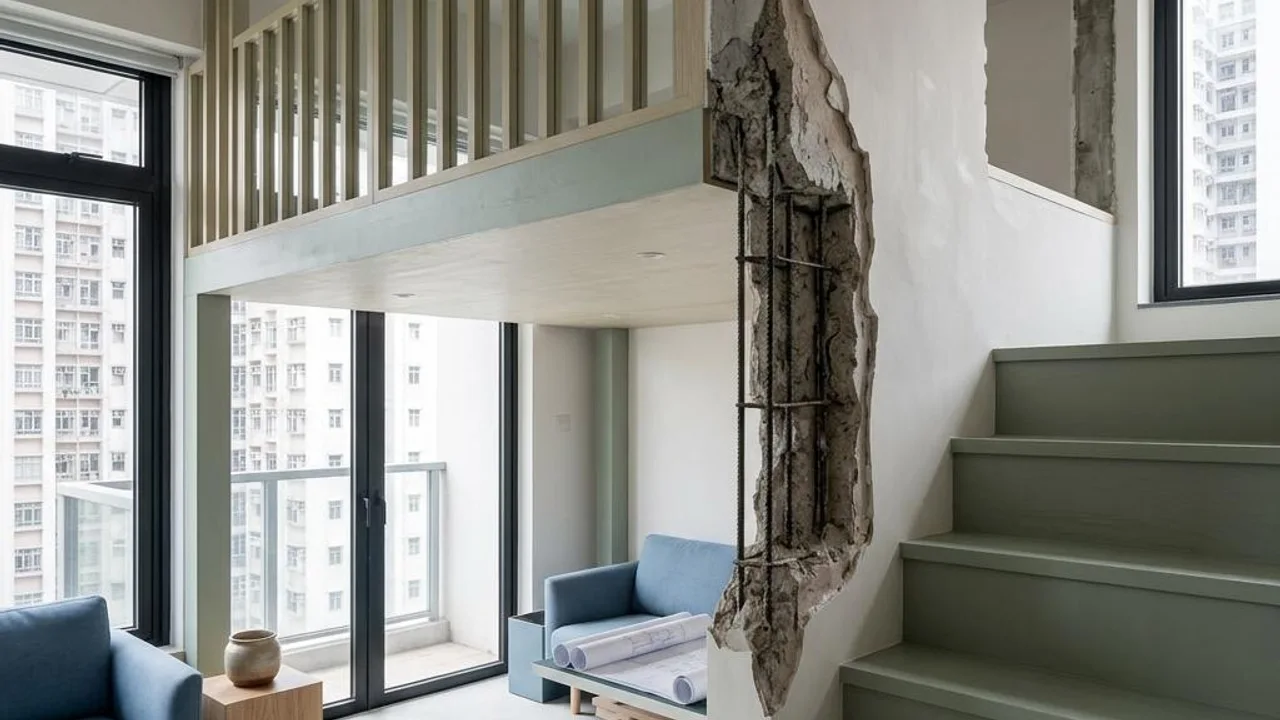
When serious defects affecting residential quality are involved, such as window frame water seepage, failure of the waterproof layer, and large-area structural hollow plastering, they are easily simplified during peak handover periods. If an owner rushes the property inspection and only discovers the problems during later renovations, they often fall into a protracted responsibility dispute, increasing extra remedial costs.
If an owner has doubts about the unit's condition, they should actively enquire with people with a building engineering background or professional property inspection qualifications. Under the guidance of professionals, evaluate whether it is necessary to screen using instruments, and ensure that you strive for reasonable maintenance protection within the defect rectification deadline stipulated in the contract, avoiding a passive situation after signing blindly.
- Use infrared thermal imaging cameras to detect hidden pipe seepage.
- Professional inspection of window frame waterproofing and structural airtightness.
- Issue an inspection report with both text and images.
- Assist owners in striving for maintenance rights within the deadline.
FAQs
Is it mandatory to deal with hollow plastering on the wall immediately during property inspection?
Hollow plastering means the surface layer and the base layer are not bonded firmly; if located in a frequently used area, plaster peeling may occur in the future. It is recommended to mark the location and record it in the defect rectification list first, consult a professional about the connection between the hollow area and structural safety, and then decide on a repair plan.
Is it enough to use a mobile phone to test if the socket is powered?
A mobile phone charger can only confirm that the circuit has basic power; it cannot detect whether the socket wiring polarity is correct or if the earthing is effective. If you suspect circuit safety, you should ask a licensed electrician to perform a professional measurement.
How can one check for hidden water seepage risks in window frames during a sunny day property inspection?
On a sunny day, you cannot directly test for water seepage. Owners should check if the sealant at the window frame joints has cracked, if there are signs of rust at the installation screw positions, and clean the window frame to make it easier to observe whether there are obvious cracks. If in doubt, you should request the developer to provide relevant waterproof test reports.