
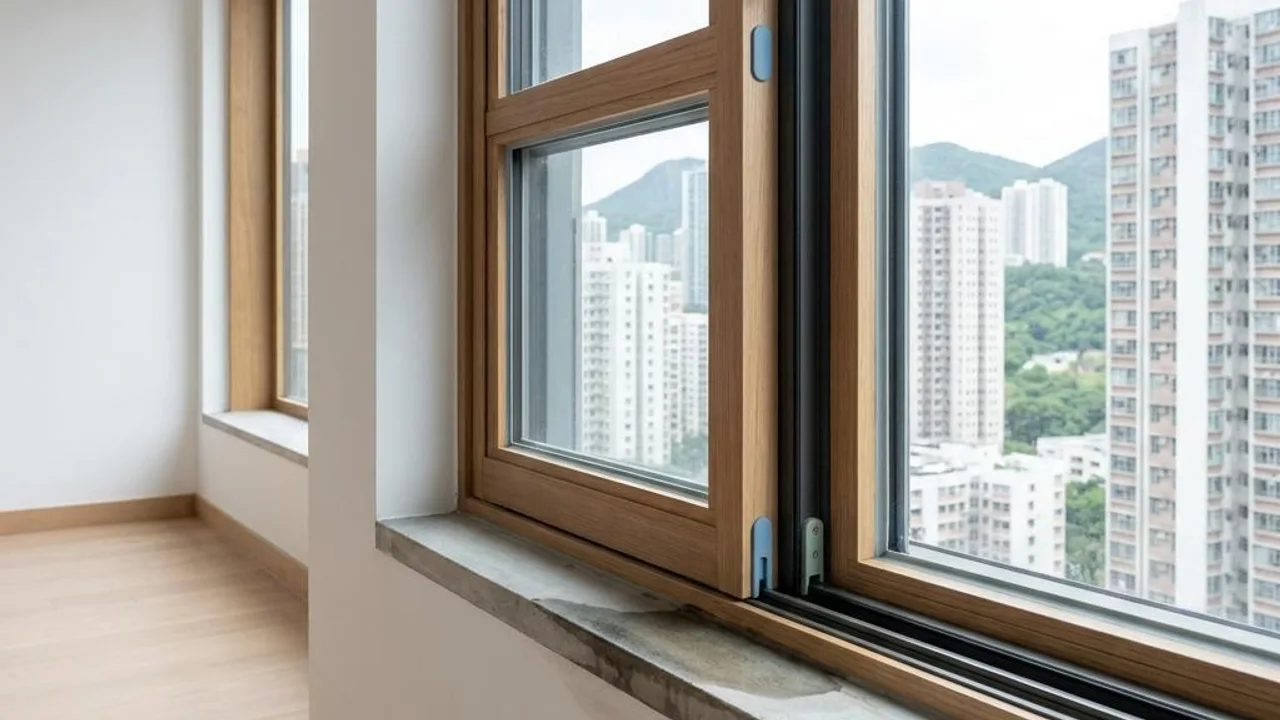
Understand the importance of property inspection
For first-hand residential units, the property inspection procedure before handover is a key step in determining the quality of property delivery. By conducting a comprehensive inspection, owners can ensure that the renovation, structural equipment, and various facilities within the unit meet the terms and specifications in the sales contract, and can demand that the developer complete repairs within an agreed timeframe for any defects discovered.
Property inspection is not only a safeguard for asset value but also allows for the early resolution of issues such as water leakage, malfunctioning electrical appliances, or poor renovation quality. This avoids owners discovering hidden defects after moving in, thereby saving on future additional costs and the time and energy spent on self-repairs.
- Early discovery of renovation defects or missing equipment
- Ensure the property delivery condition meets the specifications of the sales contract
- Avoid disputes with the developer regarding repair responsibilities after moving in
- Protect personal property and the safety of the living environment
Key preparations before property inspection
Before conducting a property inspection, owners must carefully read the sales contract to grasp detailed information such as home appliance models, window specifications, floor tile types, and kitchen and bathroom fittings within the unit. Only with clear and explicit contract terms can one make accurate comparisons during the property inspection and prevent missing delivery responsibilities that the developer should bear.
At the same time, it is recommended that owners prepare appropriate inspection tools, such as a spirit level for checking flatness, a feeler gauge for measuring window gaps, a digital camera or mobile phone for recording conditions, and necessary marking stickers. These tools can help owners record items needing repair more systematically.
- Thoroughly read the sales contract and renovation terms
- Prepare measurement tools (e.g., spirit level, tape measure)
- Prepare special stickers for marking defects
- Ensure camera or mobile phone has sufficient battery for recording
Systematic property inspection workflow
Property inspection should be carried out from the outside in, and from details to the whole. Appearance inspection includes examining the smoothness of door and window opening and closing, whether the frames are deformed, and whether there are obvious cracks on the wall surface. Interior inspection should cover the kitchen and bathroom water supply and drainage systems, electrical outlet output, floor finishes, and whether there are signs of water seepage on the ceiling.
Public areas should not be ignored; owners should simultaneously check whether public facilities such as the lobby, corridors, and lifts are damaged. The condition of these facilities directly affects daily living experience and future property management. If serious defects are found, proactively inquire with the management office or the developer about the specific repair progress.
- Check the opening and closing condition of the main door and interior windows
- Test the kitchen and bathroom taps and drainage status
- Examine the renovation quality of wall surfaces, floor tiles, and ceilings
- Check electrical outlet operation and public area facilities
Safeguarding owner rights and follow-up mechanisms
If any problems are found during the property inspection, owners should submit a written report to the developer as soon as possible, requesting the implementation of repair arrangements. All defective items must be photographed and marked in detail to establish a complete evidential record. If major renovation disputes are involved, owners should review the dispute resolution clauses in the sales contract and seek legal advice if necessary. This process does not guarantee structural safety, the condition of hidden works, or electrical system compliance; professional structural and safety matters should be consulted with qualified professionals.
When recording the property inspection process, remain objective and describe the location of the problem in detail. After the developer completes the repairs, a reinspection is also required to confirm whether the repairs meet contract standards. Do not sign the handover documents based solely on verbal promises; ensure all repair terms are implemented in writing.
- Immediately record and photograph all defects for record-keeping
- Require the developer to provide written repair confirmation and a timetable
- Ensure a reinspection is conducted after repairs are completed
- Protect personal legal rights
The necessity of seeking professional property inspection assistance
Inspecting first-hand properties is a cumbersome process involving multiple areas such as electricity, structural appearance, and drainage systems. Owners may find it difficult to identify potential hidden defects when inspecting themselves; hiring professionals to conduct the inspection helps to identify related conditions. It should be noted that general property inspection records are limited to what can be observed with the naked eye and cannot guarantee structural, electrical, or gas safety, the condition of hidden pipes, or the thickness of the waterproofing layer; nor can they predict the remaining service life or repair efficacy. Thermal imaging cameras only reflect surface temperature distribution and are not definitive proof of the cause of moisture or leaks, nor can they see through structures.
Mandatory window inspection is an independent legal procedure that must be performed by a qualified person registered with the Buildings Department and is not a default service of this platform. For various professional engineering problems, please consult relevant licensed experts. Do not attempt to dismantle electrical devices, adjust water pressure valves, or climb roofs or windows for testing yourself.
Professional property inspectors are not only equipped with specialized testing equipment such as temperature guns and current testers but also possess evaluation experience for various types of building defects. Through a professional report, owners can more persuasively advocate for their rights with the developer and obtain objective analysis of the property condition, making the property inspection process more reassuring and reliable.
- Professional equipment (e.g., infrared thermal imaging cameras) is only used to detect surface temperature differences and cannot guarantee the detection of hidden structural problems, sources of leakage within walls, or the thickness of waterproofing layers; nor should they be viewed as absolute tools for defect detection. Home property inspections cannot confirm the safety of electricity, gas, or structure, nor the remaining service life. Regarding the Mandatory Window Inspection Scheme, it must be carried out by a qualified person registered with the Buildings Department and is not part of routine property inspection services. Regarding professional areas, one should consult relevant practicing professionals, and it is not recommended for owners to carry out electrical tests, dismantle electrical devices, adjust water pressure valves, or perform high-altitude (roof, exterior window) inspections themselves.
- Provide objective reports on property inspection defects
- Increase the success rate of securing repair items
- Reduce the need for and risks associated with the owner's renovation knowledge
FAQs
Does finding slight cracks on the wall during property inspection constitute a structural problem?
Slight cracks may stem from paint shrinkage or wall plastering issues, rather than structural damage. Owners should mark and photograph them for the record, request a detailed assessment by professionals, and inquire about the causes from the developer.
If the developer fails to complete repairs on time after the property inspection, how should the owner handle it?
Owners should review the relevant delivery and warranty terms in the sales contract to confirm the repair deadline. If the developer fails to complete the work after the deadline, a formal reminder should be issued in writing, and all communication records should be retained. Consult with legal professionals for further action if necessary.
When performing a self-inspection, how should one observe leakage problems that cannot be seen with the naked eye?
Owners can observe whether there are water stains, mould spots, or signs of paint bubbling at the base of walls, ceilings, or the edges of window sills. If abnormalities are observed, request testing by technicians with professional equipment; do not perform dismantling or destructive tests yourself.


