Key points to observe for dampness on walls and ceilings
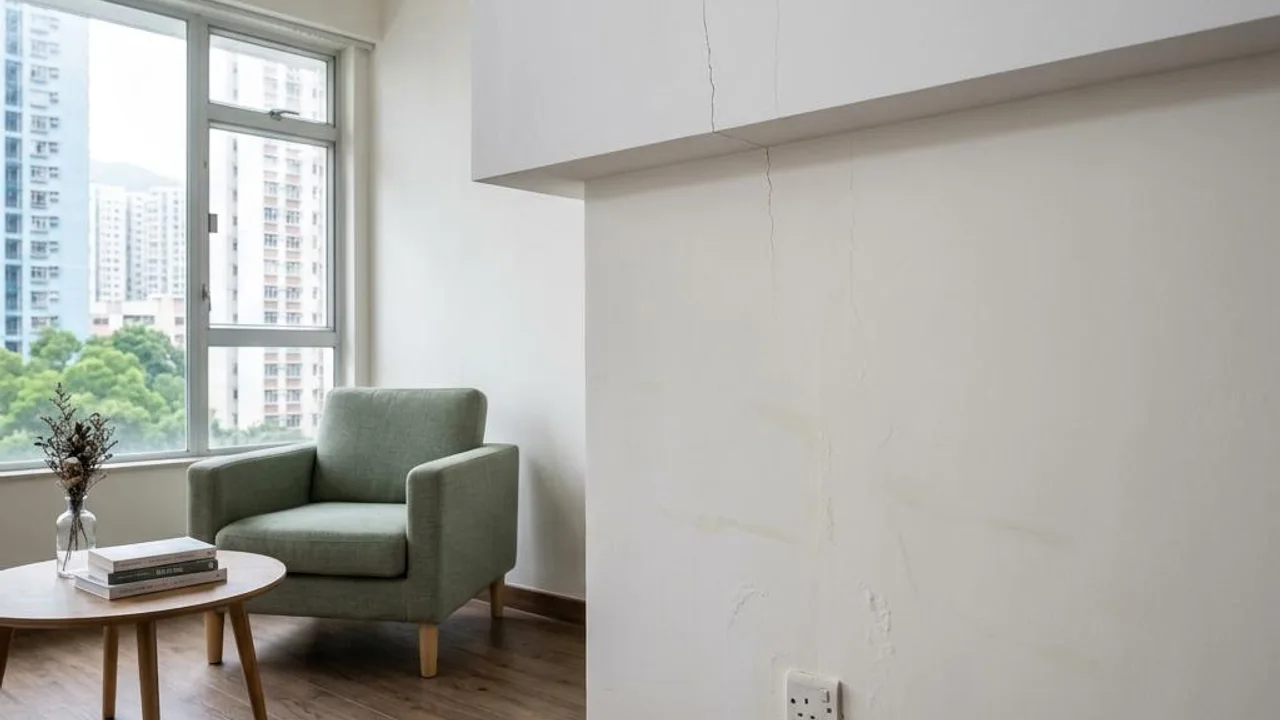
When conducting a property inspection, carefully examining the paintwork on walls and ceilings is the primary step in identifying potential seepage. Buyers should focus on the areas above kitchens and bathrooms, as well as walls shared with neighbouring units, to check for signs of localised paint blistering, peeling, mould, or dark yellow water stains. These phenomena often suggest that the waterproofing layer behind the wall or in the unit above may be ageing, leading to moisture seepage into the underlying structure.
In addition to the walls, skirting boards at the junction with the floor are also high-risk locations for identifying leaks. If you discover that the wood material at the skirting boards is warping, deformed, or turning black, it is highly likely due to moisture accumulating at the base over a long period. These signs not only affect the interior aesthetics but may also be related to exterior wall seepage or condensation issues; be sure to pay extra attention to reduce future repair burdens.
- Check kitchen and bathroom ceilings for water stains
- Look out for mould or deformation on skirting boards
- Observe adjacent walls for any unusual paint peeling
- Pay attention to whether there are unnatural moisture residue marks on the walls
Aluminium window sealing performance and structural safety
As windows are a key line of defence for a residence, their safety is extremely important for wind and water resistance. When viewing a property, buyers should attempt to open all windows and observe whether the window hinges are rusted, loose, or deformed. If the window hinges are severely aged, this will significantly increase the risk of the window sash falling off in windy conditions. During the inspection process, movements should be cautious to avoid forcefully colliding with the window frame structure, so as not to cause unnecessary damage or accidents.
At the same time, the waterproofing rubber seals around the four sides of the window frame are also a key inspection item. If the seals appear cracked or are peeling off, they cannot function effectively to block rainwater. If you discover cracks in the window sill stone or signs of efflorescence and powdering on the paint around the window frame, these are warning signals of potential seepage during the rainy season. When assessing costs, buyers must take into account the related expenses for future window replacement or waterproofing repair works.
- Open windows one by one to check for severe rust on hinges
- Test window locks and check for abnormal wobbling during opening and closing
- Visually inspect rubber seals for severe cracks or missing sections
- Check window sill stone for structural cracks
Structural hazards concealed by renovation work
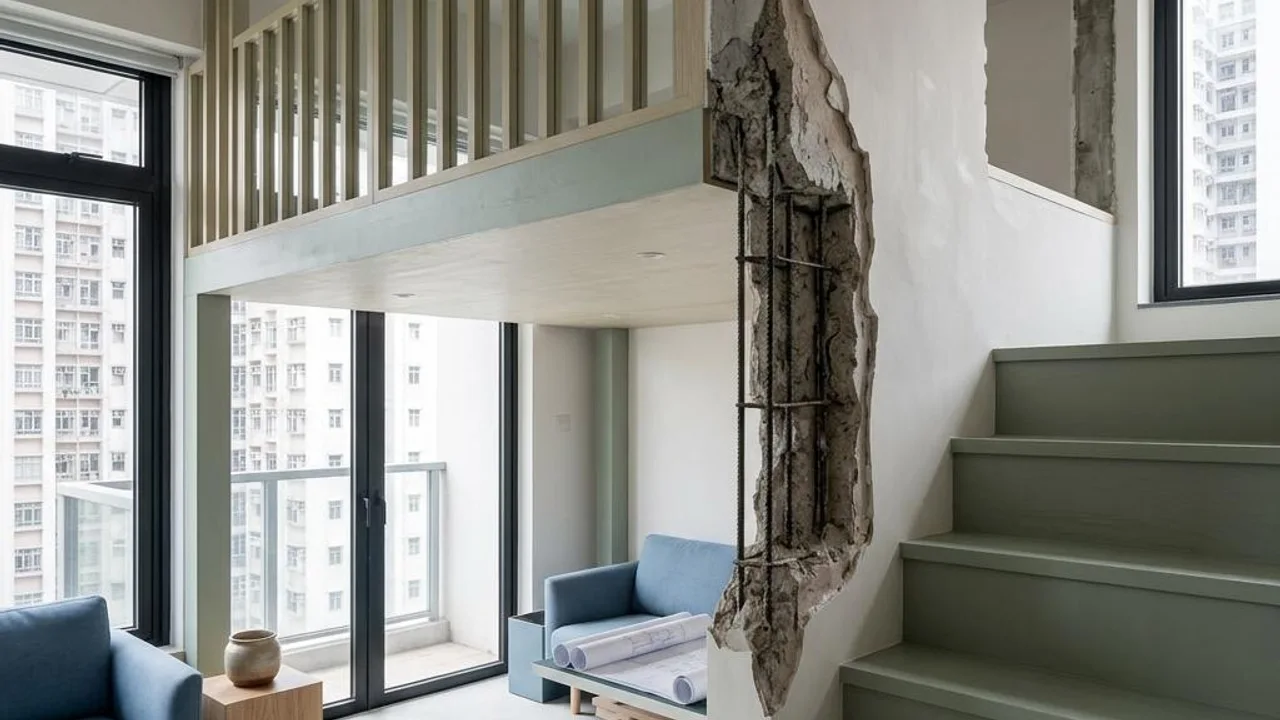
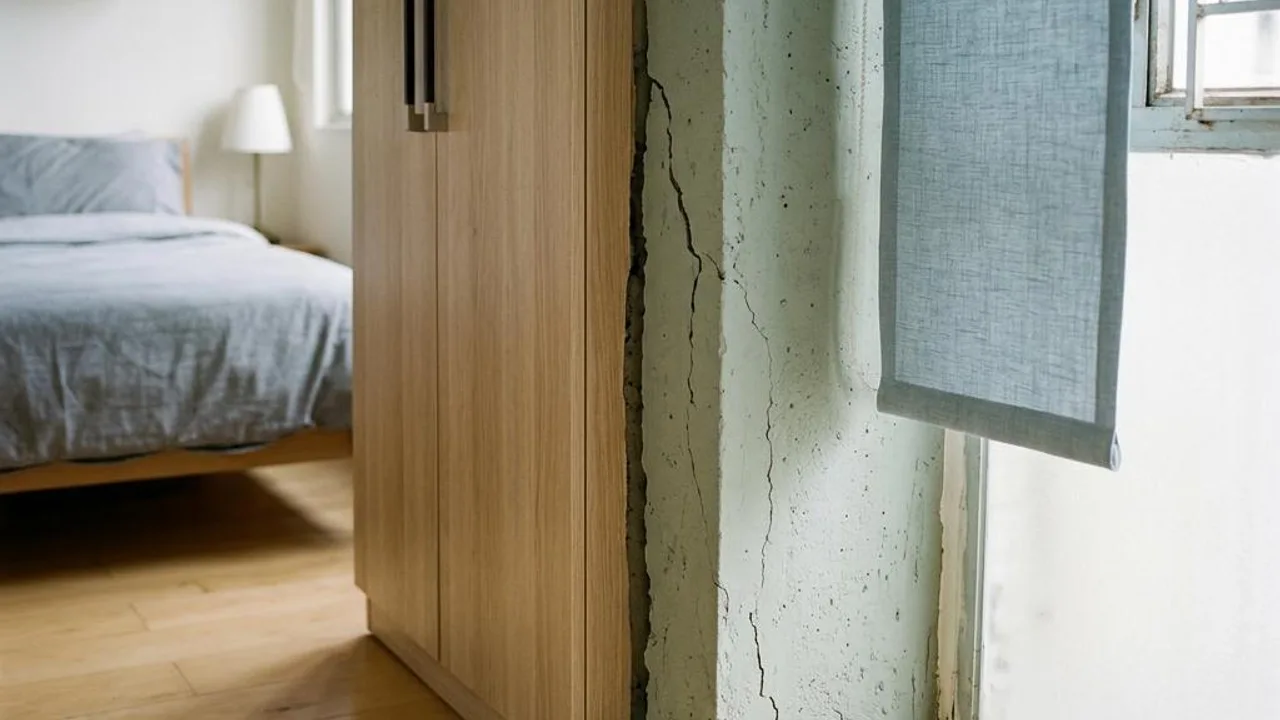
Many secondary properties on the market undergo cosmetic renovations. However, overly fresh wall painting or floor installation may inadvertently mask hollow wall sections, ceiling spalling, or small structural cracks. When viewing a property, if you discover an unnatural colour difference in the wall paint, you should be on high alert. It is recommended to gently touch the beam and column joints to observe if there are signs of abnormal shrinkage that have separated from the wall structure.
If the unit involves alterations to the original layout, buyers should understand whether the changes comply with building standards to avoid bearing the legal liability for unauthorised building works in the future. Although general visual observation cannot determine structural integrity, any discovery of abnormal deformation in walls should be clarified with the seller before signing the contract. If necessary, consult professional advice to ensure that the purchase decision will not lead to expensive safety hazards in future life.
- Observe if wall paint has any localised unnatural thickness
- Check major beam and column joints for cracks
- Assess if layout alterations have potential legal issues
- Gently tap the walls to check for obvious hollow sounds
Inspection of drainage pipes and water supply systems
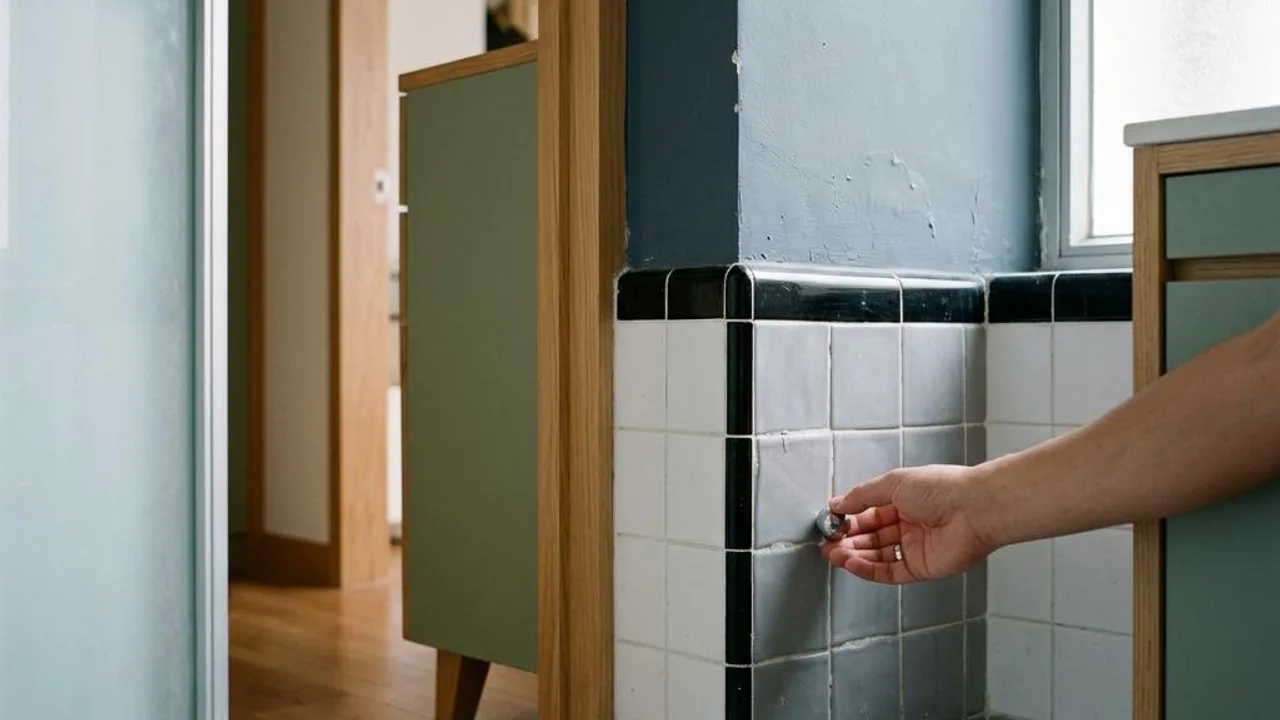
Kitchens and bathrooms are the spaces with the highest water usage in a residence and are also frequent spots for concealed seepage. Although it is not possible to remove fixed cabinets or bathtubs during a property viewing, you can initially evaluate the pipe condition by testing the drainage speed. After turning on the tap, observe the drainage flow; if you hear abnormal gurgling sounds or see signs of backflow, this may suggest that there is a partial blockage inside the pipe walls.
If the space under the kitchen cabinets allows, observe the exposed pipe connection points. If you discover slight dripping or white salt crystal deposits at the connection points, this usually means the pipe has had a micro-seepage problem for a long time. These types of concealed pipe issues often involve wall-internal repairs, involving higher repair costs and complexity; buyers need to fully consider these maintenance expenses before deciding to sign the provisional agreement.
- Test if washbasin and kitchen sink drainage is clear
- Look out for abnormal sounds or backflow during the drainage process
- Check exposed pipe connection points inside cabinets for water seepage
- Observe for water stain crystals around the wall drainage pipes
The importance of professional assessment for property purchase
Even if the buyer has completed the above basic observations with the naked eye, many deep structural defects or concealed water leak problems may still be overlooked during a short viewing session. Blindly purchasing a property only to later discover serious structural problems often leads to repair costs exceeding the budget and can even affect the quality of daily life. Seeking assistance from a professional OPO Inspection team allows buyers to have a more comprehensive and scientific understanding of the property status before investing.
Professionals can assist in checking for structural cracks and hidden water pipe seepage, and provide objective assessment reports for repair items, allowing prospective buyers to be well-prepared psychologically and financially regarding the actual maintenance status of the property and future repair budgets before signing the formal contract.
- Identify structural defects that are difficult to detect with the naked eye
- Evaluate repair costs to protect the property purchase budget
- Enhance confidence and protection during the property completion process
FAQs
If I discover bubbling paint on the ceiling during the property viewing, how should I handle it?
This may be a sign of water seepage. It is recommended to record the specific location and, after consulting your agent, ask the seller if there are any recent repair records for the relevant unit. If you still have concerns, you may request further investigation or seek a professional to conduct a non-destructive survey.
Can buyers remove water pipes themselves to check during the property viewing?
No. Buyers can only conduct surface observations during property viewings. It is strictly prohibited to carry out dismantling, alter equipment, or perform any destructive testing. Such behaviour may violate property management regulations and damage other people's property.
How do I determine if aluminium windows need replacement?
Buyers can observe whether the window hinges are severely rusted or loose, and whether the rubber seals are cracked or hardened. If these conditions appear, they should be treated as potential safety hazards; you should hire a qualified professional to further evaluate whether repair or full replacement is necessary.