
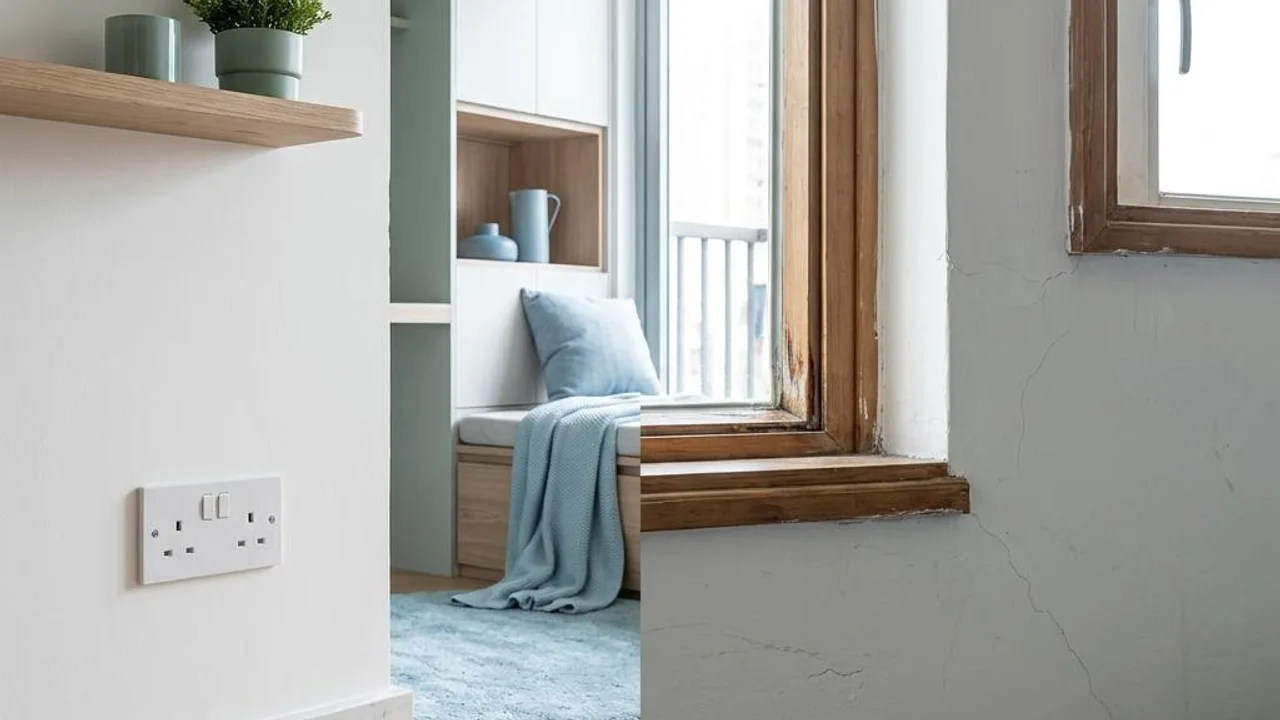
Core tasks and criteria for new property inspection.
The primary purpose of a new property inspection is to ensure the new home's condition meets the developer's contractual commitments. As the property is brand new, the focus should be on finishing craftsmanship, appliance configuration, layout specifications, and the quality of building foundations, rather than signs of aging.
Inspection requirements for new properties are relatively strict. Owners should check the list in the sale and purchase agreement item by item to ensure that the developer has delivered the unit to the agreed standard for all decoration details, especially critical areas like kitchen cabinet doors, window frame sealing, and floor flatness.
- Verify if the layout dimensions and spatial distribution match the floor plans.
- Conduct a comprehensive inspection of the functionality of all provided appliances and facilities.
- Confirm whether decoration finishes such as wallpaper, paintwork, and flooring have any impact marks or damage.
- Test that water drainage and electricity supplies are stable and flowing freely.
Inspection checklist and precautions for taking possession of a new property.
When inspecting a new property, pay special attention to 'new' issues. This includes construction waste left behind, uncleaned paint stains, impact marks from renovation damage, and whether electrical installations meet electrical safety regulations. These are often the easiest areas for developers to overlook during the final defect rectification stage.
It is recommended that owners use marking stickers to record defects and classify them. For instance, if electrical installation issues or loose sockets are found, require them to be handled by qualified professionals who must provide relevant completion certificates; do not attempt to force a fix yourself.
- Check walls for hollow tiles, water seepage, or severe unevenness in finishes.
- Confirm that all door locks, switches, window hinges, and rubber seals are intact.
- Check the kitchen and bathroom water supply systems for potential water leakage.
- Check ceilings for structural defects or stains left over from construction.
Structural thinking and risk assessment for second-hand property inspection.
Compared to new properties, second-hand property inspection requires a stronger 'traceability' mindset. The focus is not just on appearance, but on understanding the property's history of usage and hidden faults. Since the property has been used for some time, facility aging is inevitable, and one must distinguish between normal wear and tear and structural problems.
When purchasing a second-hand property, besides checking wall paint, pay attention to signs of aging wiring, corrosion in water pipes, and records of any structural water leakage. If these hidden issues are not discovered before the transaction, the owner will face massive repair costs after taking possession.
- Assess the aging degree and remaining lifespan of various equipment and finishes.
- In-depth inspection of the electrical circuit system, especially old-style wiring and load performance.
- Focus on identifying potential sources of water leakage and evidence of past repairs.
- Check ceilings or wall corners for hidden hazards such as termites or cracks.
Common issue troubleshooting and safety alerts for second-hand properties.
When inspecting a second-hand property, ask the agent or seller whether the property has undergone major renovations or repairs. If there is a history of water leakage, request an in-depth review of the repair details. Furthermore, be aware of the common issue of insufficient power capacity in second-hand properties; do not share high-power appliances on the same extension lead to avoid overloading.
If you detect unusual odours, damaged wires, or charred marks in the electrical installation, this is a serious safety warning. A registered electrical contractor must be hired for a comprehensive inspection. For fixed appliances not connected via a socket, such as water heaters or light fixtures, ensure they are handled by qualified personnel.
- Examine the status of the electrical distribution board and the performance of the fuses.
- Check window frames for signs of corrosion. Please note that Mandatory Window Inspection is an independent statutory procedure that must be executed by a person qualified and registered with the Buildings Department; it is not included in general property inspection services. If window problems are found, it is recommended to seek further testing from a professional qualified person.
- Assess bathroom ventilation efficiency and check for severe mould hazards.
- Pay attention to whether kitchen exhaust is smooth to ensure indoor safety.
Key differences and value of professional property inspection services.
The inspection logic for new and second-hand properties is very different. New properties are often inspected just before delivery, with the focus on accepting the developer's finished product. Second-hand properties are usually inspected after signing the contract, with the goal of clarifying the property's condition before the title transfer, requiring a keener eye to estimate maintenance costs.
Professional property inspection services help owners clarify the actual condition of the property. Using experience and instruments, they identify safety risks that are difficult to see with the naked eye, allowing owners to have a clearer direction when planning repairs or rectifications.
- New Property: Focuses on matching contract specifications and renovation details.
- Second-hand Property: Focuses on troubleshooting hidden defects, structure, and maintenance records.
- Identify safety risks difficult to detect with the naked eye through professional instruments.
FAQs
When inspecting a new property, how should one handle hollow walls?
Owners should mark the location and record it in detail on the hand-over document or defect rectification list, requesting the developer to repair it according to standards; do not attempt to deal with it yourself.
After buying a second-hand property, who should I contact if I suspect the electrical system is aging?
If any electrical system abnormalities are found, you must hire a qualified registered electrical contractor to conduct a full inspection and assessment to ensure the system complies with current safety regulations.
How can one determine if a second-hand property has structural water leakage risks?
Observe if there is peeling paint, mould spots, or traces of past repairs on the walls. If in doubt, commission professionals to conduct a water leakage investigation to clarify the condition of hidden damaged pipes.


