Regulatory and Potential Risks of Structural Alterations
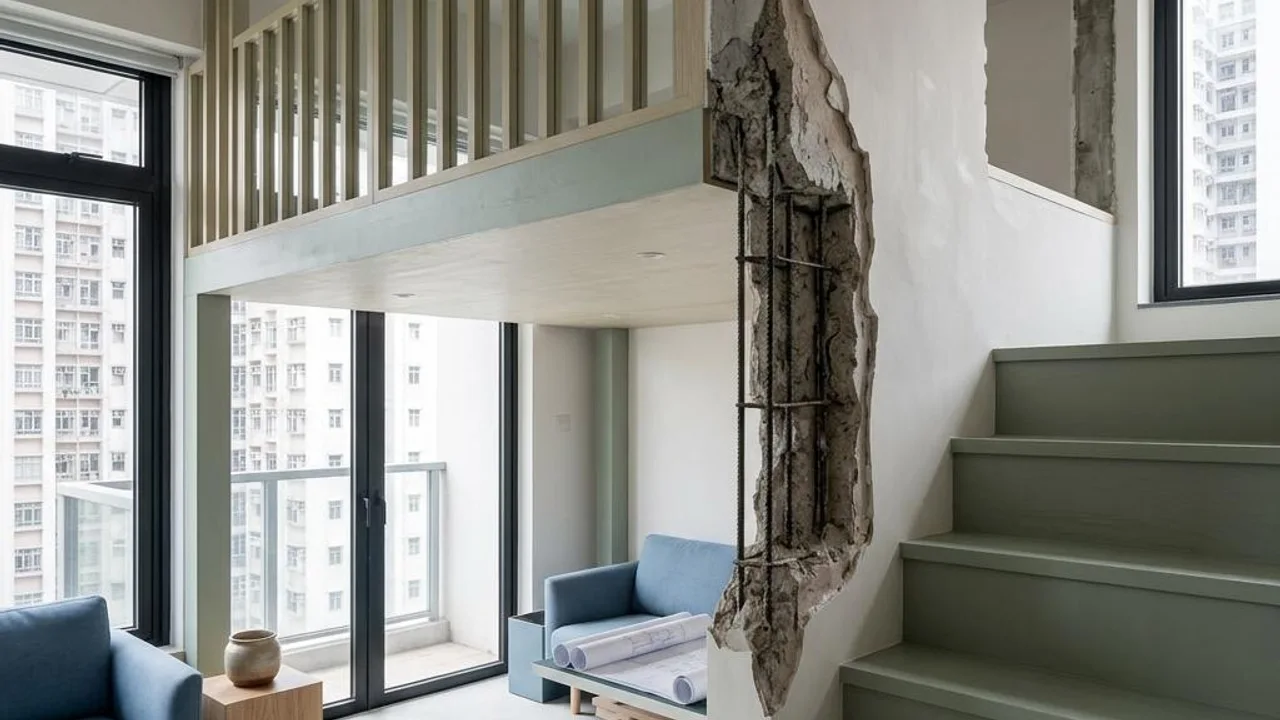
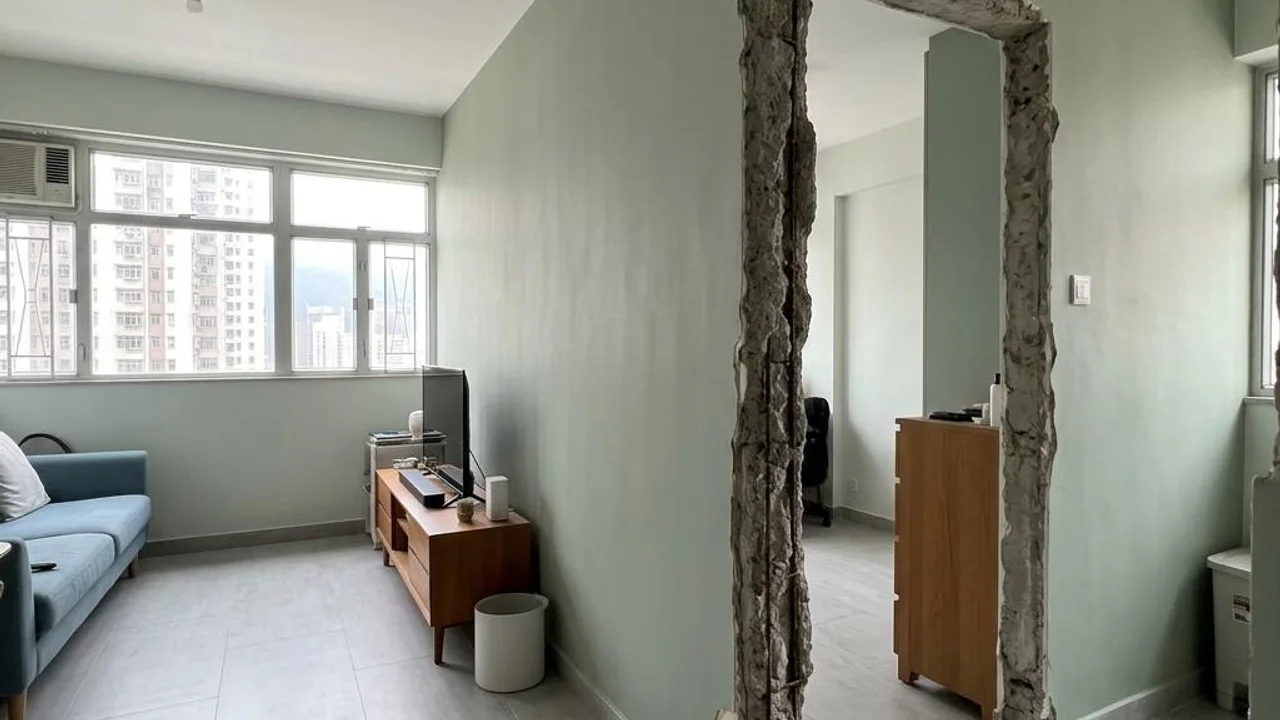
When buying a second-hand unit, owners often find that the unit layout differs from the original plans, such as knocked-through partitions or changes to kitchen configurations. If these alterations involve building structural walls, beams/columns, or communal drainage pipes, they may violate the Buildings Ordinance. Structural walls are the foundation for maintaining overall building safety, and removing or altering them without approval from the Buildings Department is an act of illegal construction.
More importantly, when a property is sold, the associated legal liabilities transfer to the new buyer. If the Buildings Department issues a statutory order requiring the restoration of the structure and the original owner fails to comply, the new owner may face the risk of bearing the restoration costs. Therefore, clarifying the legality of any alterations to a unit before signing the sale and purchase agreement is a vital step in protecting your rights.
- Alteration and removal of structural walls pose risks of illegal building works.
- Modifications involving load-bearing structures require approval from the Buildings Department.
- Legal liability transfers to the buyer upon the transfer of the property.
- Without verification, you may face the risk of assuming high restoration obligations.
Impact of Restoration Liabilities on Property Transactions
Properties involving illegal alterations will face numerous obstacles in the transaction process. If a unit has been registered at the Land Registry by the Buildings Department, commonly known as being "encumbered" (釘契), it directly affects the integrity of the title. Financial institutions are typically extremely cautious when approving mortgages for units with illegal structures and may even refuse to grant loans, leading to handover difficulties for both the buyer and seller.
Furthermore, even if a bank is willing to provide a mortgage, it may require the buyer to reserve funds or sign an undertaking to ensure they can comply with the Buildings Department's requirements for restoration in the future. This not only reduces the liquidity of the property but may also increase the buyer's cash flow pressure. Consequently, confirming whether a property is subject to such orders before entering the completion stage is key to preventing the transaction from falling through.
- Encumbrances (釘契) directly affect bank mortgage approval.
- Illegal alterations may lead to bank loan rejection.
- Buyers must bear potential costs for restoration works.
- Incomplete title will reduce property liquidity.
Strategies for Plan Verification and Ownership Protection
To ensure that property interests are not threatened, buyers should proactively apply to the relevant government departments for the unit's approved architectural plans. By cross-referencing with these plans, one can clearly grasp the current wall positions, drainage pipe distribution, and fire safety requirements. This pragmatic approach can transform unknown legal hazards into transparent information, helping buyers make an accurate risk assessment before signing the contract.
Through professional verification, buyers can confirm whether a unit has had its fire safety structures or communal pipes altered, avoiding purchasing units with regulatory risks due to reliance on verbal assurances. This process not only clarifies the scope of alterations but also serves as a basis for negotiations between the buyer and the seller. If critical structural differences are discovered, requesting the seller to clarify or address them in a timely manner can effectively avoid the hassle of being forced to perform restoration later.
- Apply for official architectural plans for comparison.
- Check if wall positions comply with the original plans.
- Screen for any fire safety or structural alterations.
- Use the verification results as a basis for purchase decisions.
Seeking Professional Structural Appraisal Assistance
Determining whether a property's structure has illegal alterations often requires profound knowledge of construction engineering. It is difficult for the average buyer to identify steel reinforcement placement and load-bearing structures inside walls with the naked eye. To safeguard your assets, hiring a reputable professional inspection team is crucial; it is recommended to choose individuals with a professional background to conduct a non-destructive assessment of the walls.
Professional inspections typically use concrete structure detectors and infrared scanning technology to explore the internal structure of walls without damaging decorations. Such professional advice is not only objective and impartial but is also the strongest evidence for buyers to assess the regulatory risks of a property. Entrusting the inspection to experts is not only for safety but also to build a solid protective barrier for your future living environment.
- Hire a professional team to verify structural safety.
- Use instruments to detect internal steel reinforcement in walls.
- Obtain objective legal and safety advice.
- Reduce investment risks brought by illegal alterations.
Key Focuses for Observation During the Inspection Process
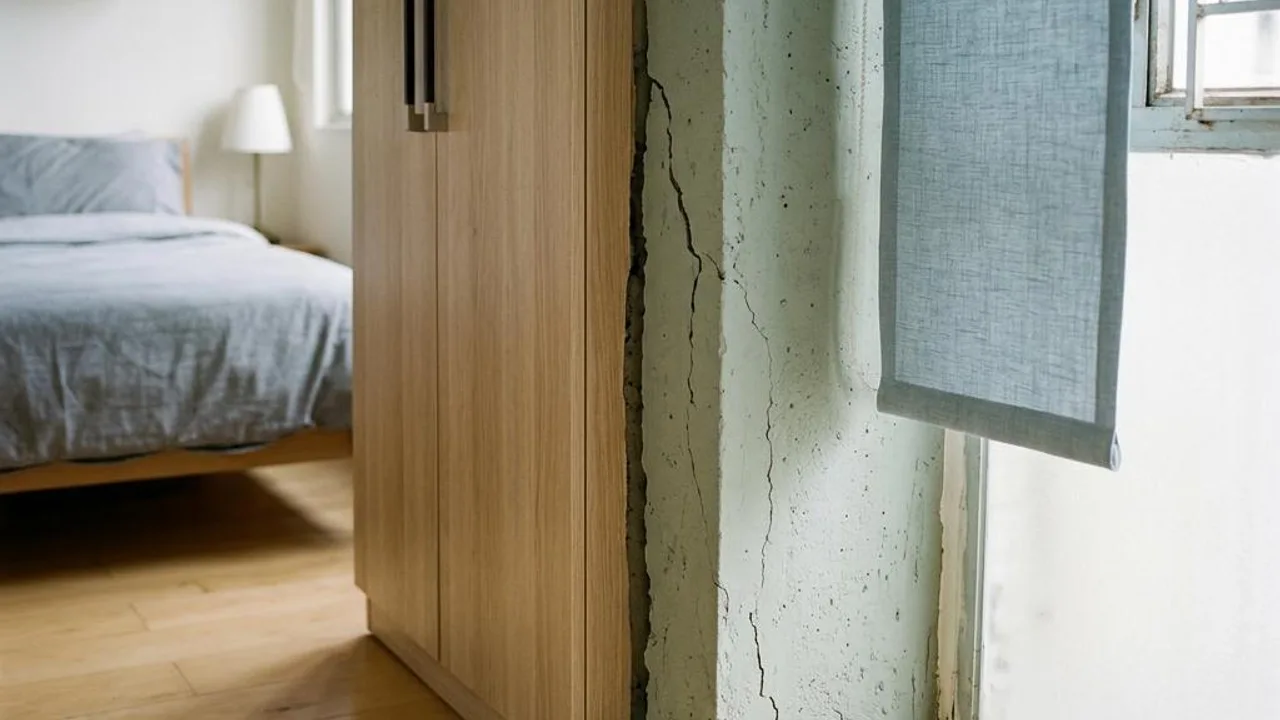
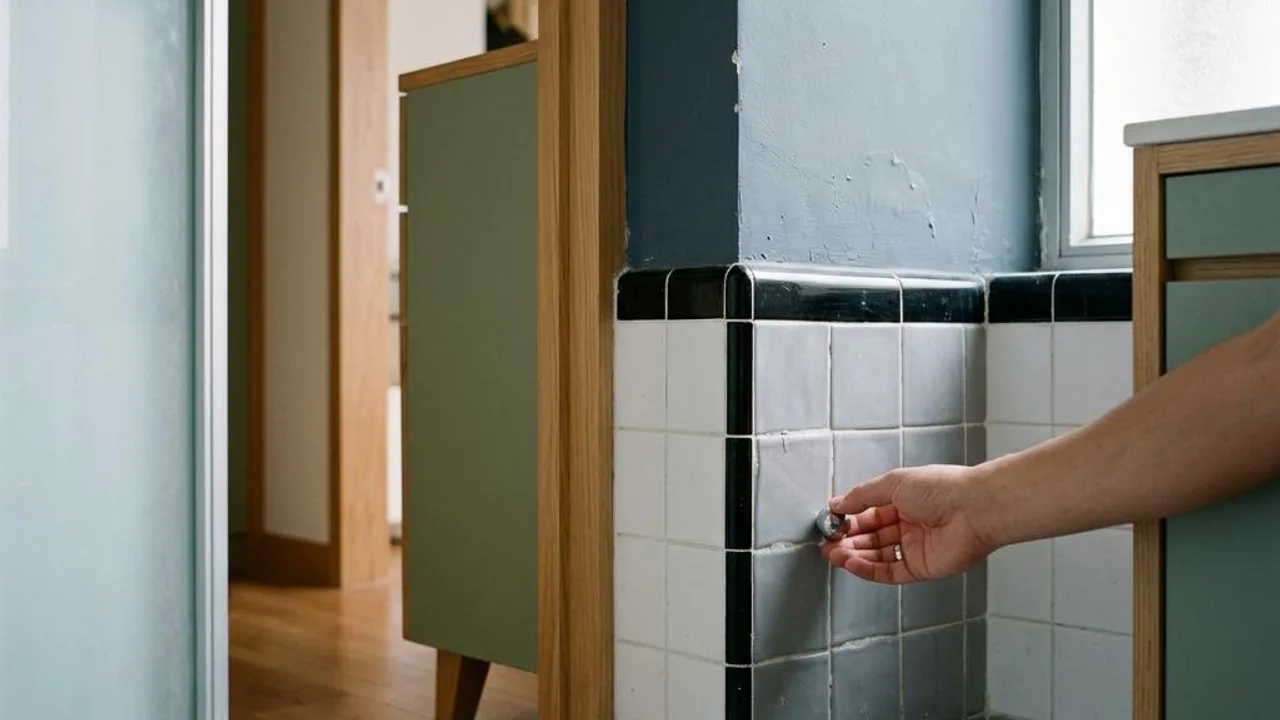
When conducting an inspection, owners should pay attention to whether there are non-original partition walls, especially around the kitchen and bathroom, as these areas often involve alterations to waterproofing layers and the movement of communal drainage pipes. Observing whether there are abnormal water seepage marks on the ceiling can also reflect whether upstairs or neighboring residents have carried out alterations involving communal lines.
When consulting professionals, it is recommended to directly ask whether such alterations violate the original fire zoning settings and whether they have impacted the existing communal drainage system. Through objective analysis provided by professionals, owners can more comprehensively grasp the current status of the unit and avoid unexpected maintenance costs during future renovations or resale.
- Check if wall positions are consistent with the original plans.
- Be mindful of kitchen/bathroom waterproofing layers and drainage pipe configurations.
- Observe if there are any unidentified water seepage marks on the ceiling.
- Confirm whether alterations affect fire safety zoning.
FAQs
When buying a property, if I find that a wall has been demolished, how can I verify if it is illegal?
Owners should first apply to the Buildings Department for the unit's approved architectural plans to cross-reference with the actual site. If it is found that the demolished wall belongs to a load-bearing structure or that fire walls or communal drainage pipes have been altered, it is highly likely to involve a violation. It is recommended to invite a professional building surveyor for an on-site inspection to assess whether the alterations were made without statutory approval.
If I purchase a unit with illegal alterations, what legal consequences will I face?
Once the Buildings Department issues a statutory order requiring restoration, the new owner is responsible for paying the restoration costs. If the order is not complied with, prosecution may follow, and the unit may be encumbered, leading to difficulties in mortgage applications or the property's inability to be resold smoothly on the market. It is recommended to commission a professional for a structural audit before signing the contract to reduce purchase risks.
Why is it difficult for a visual inspection to identify structural alterations inside a unit?
Modern renovation techniques often cover up wall structures, and surface paint or decorations obscure the wall materials and connection points. Internal steel reinforcement distribution, wall thickness, and connections to communal systems must rely on professional instruments like rebar detectors or infrared scanning for precise judgment. Visual inspection can only assess the appearance of the renovation and cannot confirm whether the internal structure meets the requirements of building regulations.